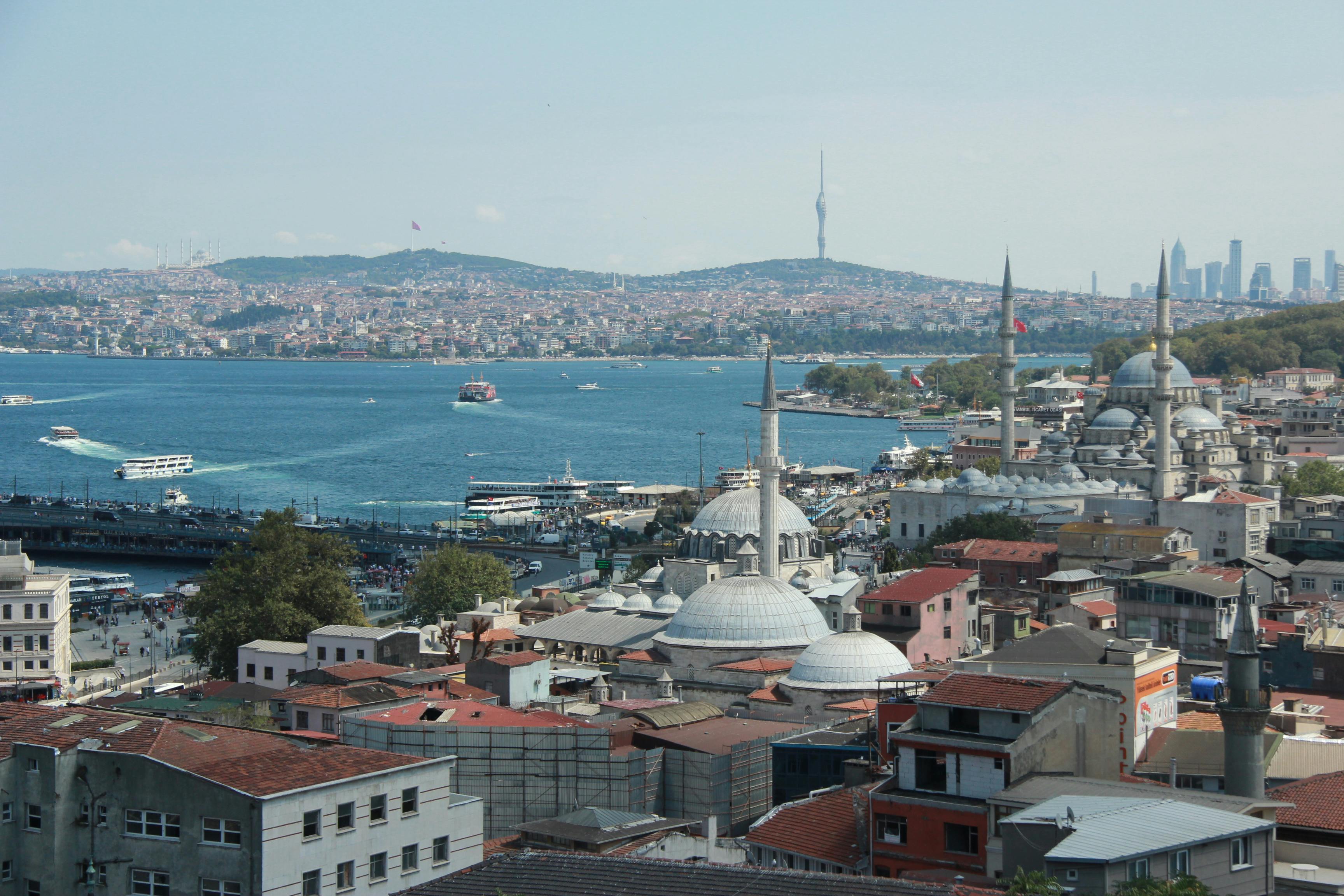
Istanbul skyline, Turkey

Custom Trips Turkey

Custom Trips to Turkey

Turkey,
Your Way.

Tailor-made Turkey itineraries built around you — from the mosques, bazaars and rooftop restaurants of Istanbul along the Turquoise Coast — Ölüdeniz, Patara, the Blue Cruise, and Olympos — and into the extraordinary volcanic landscape of Cappadocia.

Istanbul to CappadociaCity, Coast & Beyond
19 DaysSweet Spot
All StylesBudget to Luxury
Overview Regions The Stops Who It's For Itinerary When to Go FAQ

Why Turkey

Where East meets West — and neither one wins.

Turkey is one of those countries that genuinely defies a single description. Istanbul is simultaneously the most European city in Asia and the most Asian city in Europe — a place where Byzantine churches sit beside Ottoman mosques, where the Grand Bazaar has been trading for five centuries, and where the rooftop restaurants of Beyoğlu look out over the Bosphorus at a skyline that belongs to no other city on earth. The Turquoise Coast, where the Mediterranean meets ancient Lycian ruins on deserted headlands and the clearest water in the region, is best experienced from the deck of a gulet — a traditional Turkish wooden sailing vessel — drifting between coves that are inaccessible by road. Olympos, where an ancient city sits in a jungle river valley running to the sea and natural gas vents have been burning on the hillside since antiquity, is the stop that nobody expects and everybody remembers. And Cappadocia's volcanic landscape — the fairy chimneys, the cave churches, the underground cities, the valleys carved by millennia of erosion — closes the itinerary on a note that is unlike anything else in the world.

We've been designing custom trips to Turkey long enough to know which Cappadocia valley is extraordinary at dawn and crowded by noon, which gulet operator delivers the real Blue Cruise experience, and how to build an Istanbul itinerary that gives the city's depth without the exhaustion of trying to see everything in three days.

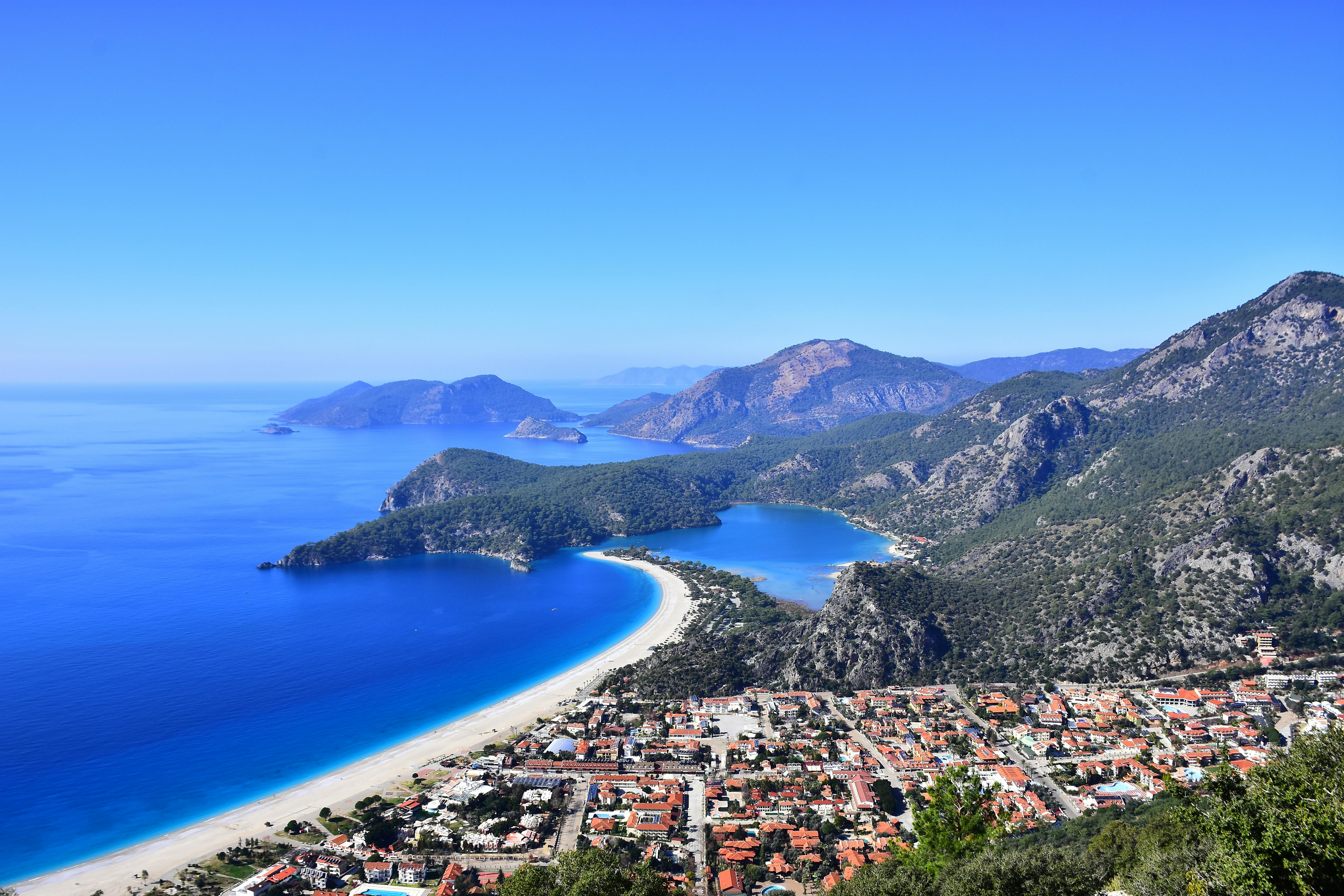
Ölüdeniz Blue Lagoon, Turkey
6 Stops City, Coast & Cappadocia

The Country

Three distinct worlds — the imperial city, the ancient Turquoise Coast, and the volcanic highlands of Cappadocia.

Turkey spans two continents and contains multitudes — from the layered history and extraordinary food of Istanbul through the other-worldly landscape of Cappadocia, along a Mediterranean coastline of ancient ruins and crystal-clear water, and into the jungle-backed beaches and burning hillsides of the Lycian Way. This itinerary moves through three of its most compelling zones.

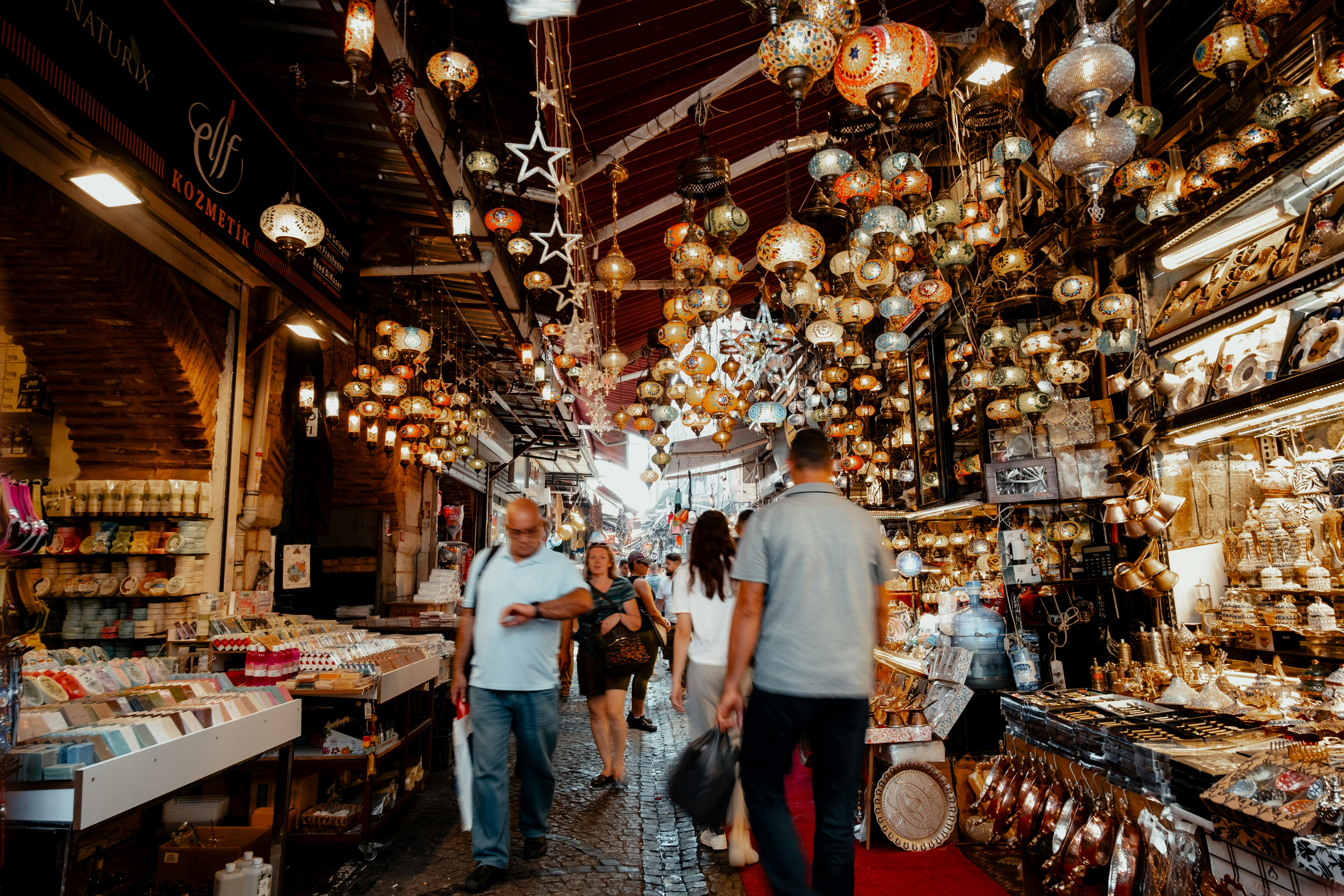
Grand Bazaar, Istanbul, Turkey
Istanbul & the Bosphorus
Istanbul is one of the world's great cities — a place that has been at the centre of two of history's most significant empires and carries that history in every neighbourhood, every building, and every street. The Hagia Sophia, the Blue Mosque, the Topkapi Palace, the Grand Bazaar, and the Spice Market are the monuments — but the real Istanbul is in the ferry crossing from Europe to Asia and back, the meyhanes of Beyoğlu at night, the fish sandwich vendors on the Galata Bridge, the afternoon tea in a han courtyard, and the view from a rooftop at dusk when the minarets are lit against the sky and the call to prayer rises from every direction simultaneously. Three nights gives you the monuments and the neighbourhood — the Turkey that was before the empire fell and the Turkey that has grown in its place.
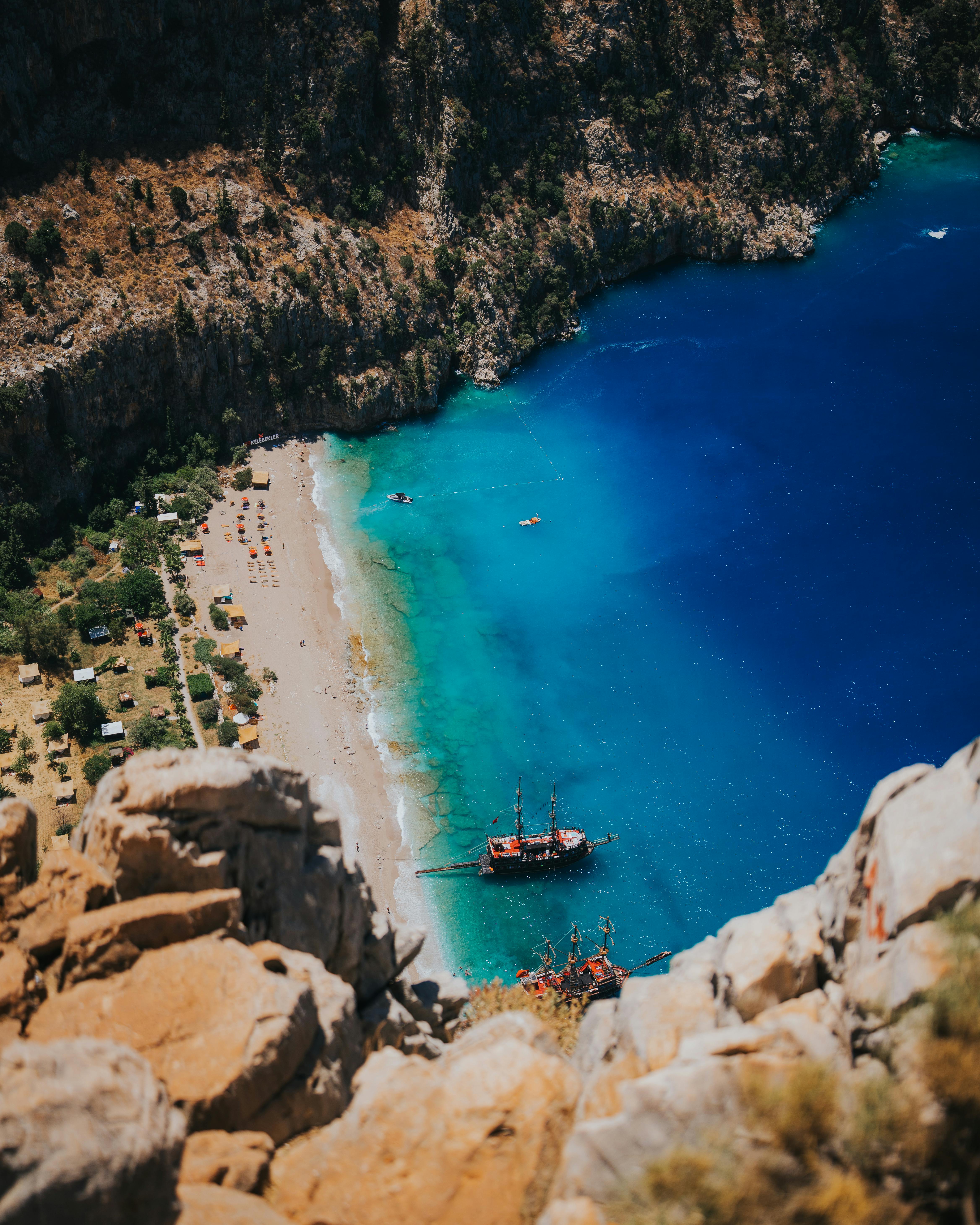
Blue Cruise aerial view, Turquoise Coast, Turkey
The Turquoise Coast
The stretch of Mediterranean coastline between Dalaman and Antalya — known as the Turquoise Coast for the extraordinary clarity and colour of the water — contains some of the finest and least-developed coastal scenery in the Mediterranean, backed by ancient Lycian ruins that appear with remarkable frequency along the clifftops, headlands, and valleys of the coast. Ölüdeniz's Blue Lagoon is one of the most photographed beaches in Turkey. Patara's eighteen kilometres of unbroken sand backed by the ruins of a Lycian city is genuinely extraordinary. The Blue Cruise by gulet connects coves and ruins that are accessible only by sea. And Olympos, where the ancient city runs to the beach and the Chimaera flames burn on the hillside above, closes the coastal section on a note that is difficult to equal elsewhere in Turkey.
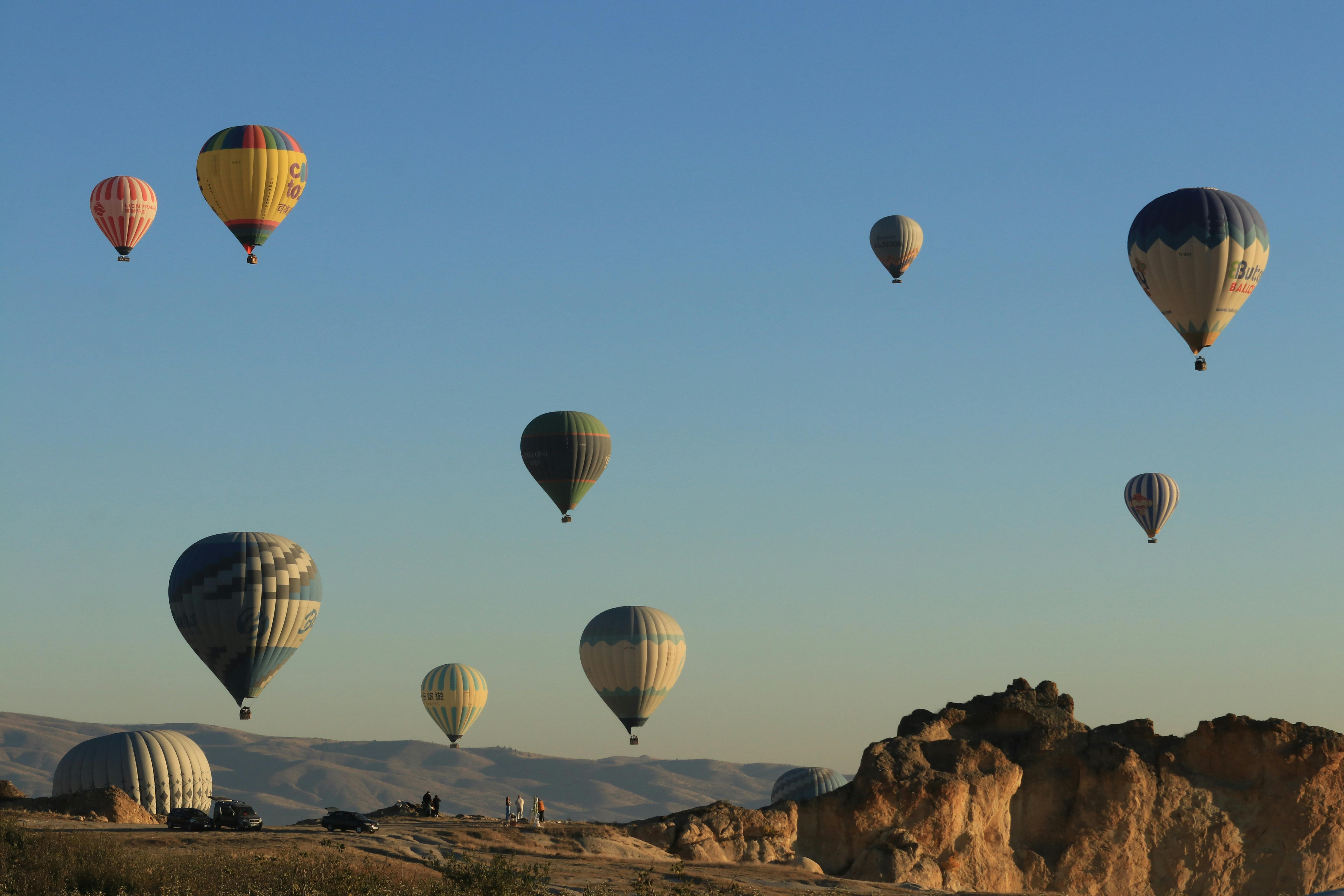
Hot air balloons, Cappadocia, Turkey
Cappadocia & the Volcanic Interior
Cappadocia looks like nowhere else on earth — a landscape shaped by millions of years of volcanic eruption and erosion into a terrain of fairy chimneys, cave dwellings, underground cities carved twelve storeys into the rock, and valleys of extraordinary colour and form. The hot air balloon flight at dawn — rising above the fairy chimneys as the light changes across the valleys and dozens of other balloons float through the mist — is one of the most consistently described highlights of any Turkey trip, and one of the finest balloon experiences available anywhere in the world. Three nights allows for the balloon flight, the valleys and cave churches at their quietest, the underground city of Derinkuyu, and an evening in a cave hotel that makes the landscape feel inhabited rather than visited.

The Stops

Six places, each doing something the others can't.

This itinerary begins in Istanbul, moves south to the Turquoise Coast — Ölüdeniz, Patara, the Blue Cruise, and Olympos — and closes inland in the extraordinary volcanic landscape of Cappadocia. Each stop is essential and distinct.

Istanbul
Hagia Sophia · Grand Bazaar · Bosphorus · Beyoğlu · Spice Market
Istanbul is where every Turkey trip should begin — a city that rewards immediate immersion and punishes over-scheduling. The Hagia Sophia, built in 537 AD as a Byzantine cathedral and converted to a mosque in 1453, is one of the most extraordinary buildings in the world — its dome appears to float above the nave in a way that its sixth-century architects understood as a miracle and its twenty-first-century visitors experience as something close to the same. The Blue Mosque directly opposite closes the square at both ends with a symmetry that still feels deliberate after fifteen centuries. The Topkapi Palace — the administrative heart of the Ottoman Empire for four centuries — is an afternoon inside the history of a civilisation. The Grand Bazaar, with its 4,000 shops and its 500 years of continuous operation, is an hour of genuine disorientation and discovery. But the best Istanbul is found in the evenings — the meyhanes of Beyoğlu serving raki and meze, the Galata Tower at dusk, the ferry across the Bosphorus at sunset with the city falling away behind you. Three nights is enough to inhabit the city rather than merely visit it.
Ölüdeniz
Blue Lagoon · Paragliding · Butterfly Valley · Kayaköy Ghost Town
Ölüdeniz is where the Turquoise Coast begins in earnest — a small resort town on the southwestern coast of Turkey whose Blue Lagoon, a sheltered bay of extraordinary turquoise water behind a sand spit, is one of the most photographed beaches in the Mediterranean and genuinely as beautiful in person as in the photographs. The paragliding from Babadağ mountain above the town — at 1,969 metres above sea level, one of the highest commercial tandem paragliding sites in the world — gives the most extraordinary aerial view of the lagoon and the coastline, with the flight typically lasting 30 to 45 minutes. Butterfly Valley, accessible by boat from Ölüdeniz, is a narrow gorge behind a beach that is home to hundreds of species of butterfly in summer and has no road access — the isolation is part of its quality. Kayaköy, the abandoned Greek ghost town above Ölüdeniz whose stone houses were deserted in 1923 during the population exchange between Greece and Turkey, is one of the more unusual and moving historical sites on this itinerary. Three nights at Ölüdeniz sets the tone for the coast properly before the itinerary moves along it.
Patara
Longest Beach · Lycian Ruins · Sea Turtles · Ancient Lighthouse
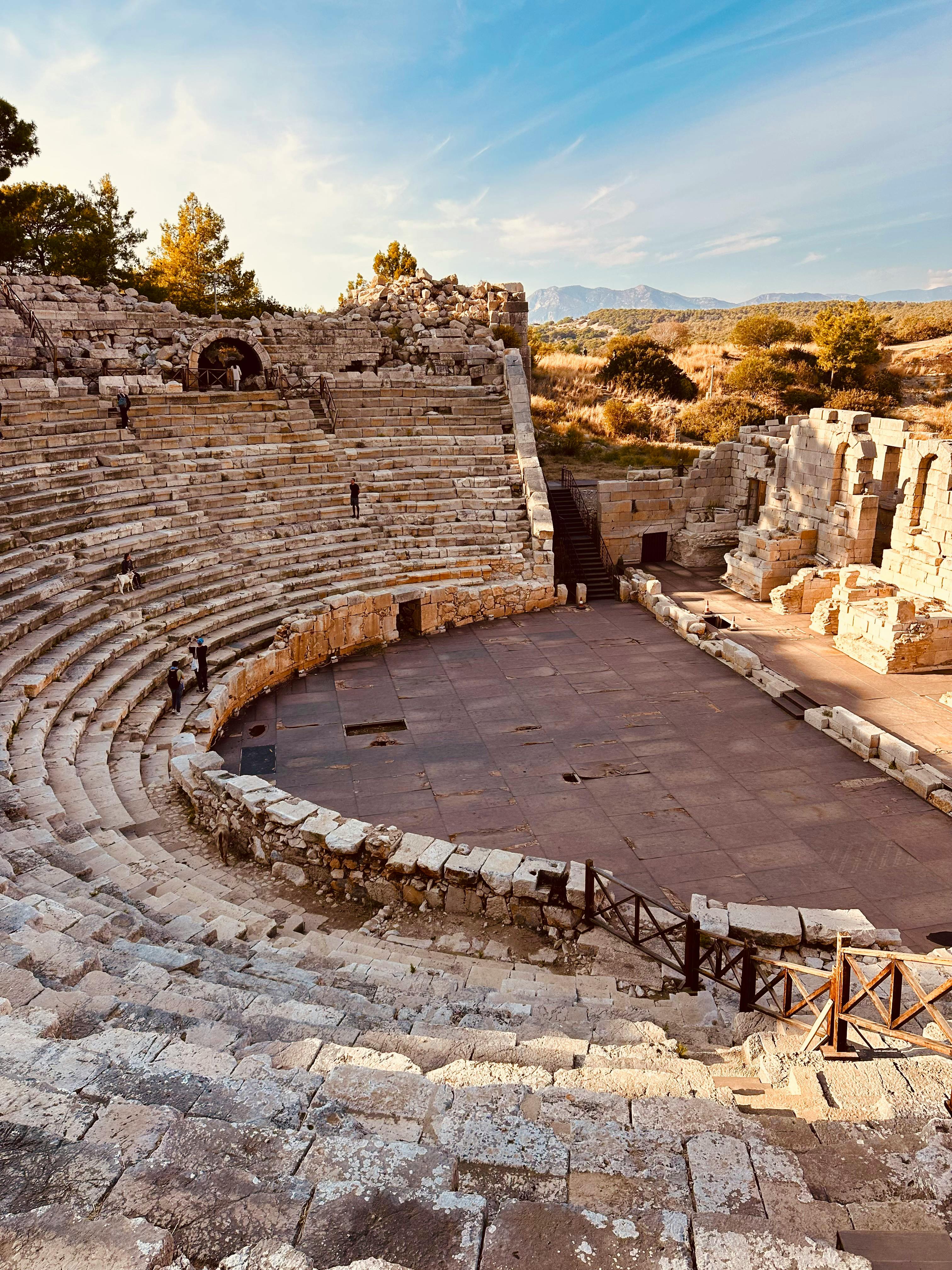
Patara is the stop that most consistently surprises people on this itinerary — a small village behind one of the longest unbroken beaches in the Mediterranean, eighteen kilometres of sand that is protected as a nesting site for loggerhead sea turtles and consequently closed to development in a way that gives it a wildness that the rest of the Turkish coast has largely lost. The ancient city of Patara — once the largest city in Lycia and the birthplace of St Nicholas — sits directly behind the beach, its ruins partially excavated and partially buried in sand, the colonnaded street and the theatre and the granary and the ancient lighthouse all accessible and largely unvisited in the way that Lycian ruins consistently are when they sit away from the main tourist circuit. Three nights in Patara gives you the beach at its best — early mornings before the heat, evenings when the sea turtles emerge to nest, and the ruins in the afternoon light when the shadows extend across the sand and the site feels genuinely ancient.
Blue Cruise
Gulet · Lycian Ruins · Hidden Coves · Mediterranean · Turquoise Water
The Blue Cruise is the experience that defines this section of the itinerary and one of the experiences that Turkey does better than anywhere else in the Mediterranean. A gulet — a traditional Turkish wooden sailing vessel, typically two-masted and between 20 and 35 metres long, with private cabins, a sun deck, and a crew who handle the sailing, the anchoring, and the cooking — moves between coves and headlands along the Turquoise Coast at a pace that allows the landscape to arrive at its own tempo. The Lycian ruins that appear at intervals along the coast — Kekova's sunken city, visible through the water from the deck of the boat, is the most extraordinary — are accessible only by sea. The swimming is in water of exceptional clarity, the evenings at anchor in coves where the only sounds are the water and the rigging, and the mornings of waking on the water with the mountains rising from the coast around you. Three nights on the gulet gives the cruise the time it deserves — long enough for the rhythm of the sea to set in and short enough to leave wanting more.
Olympos
Chimaera Flames · Lycian Ruins · Treehouse Stays · Beach · Ancient City
Olympos is the stop that closes this itinerary on a note of genuine distinction — a small beach town in the Beydağları Coastal National Park where an ancient Lycian city runs through a jungle river valley to a long pebble beach, the ruins so embedded in the surrounding vegetation that the boundary between archaeological site and forest is genuinely unclear, and where the Chimaera — a cluster of natural gas vents on the hillside above the town that have been burning continuously since antiquity — is mentioned in Homer's Iliad and was used by ancient sailors as a navigation beacon. The flames are best visited at dusk, climbing the hillside above the town as the light falls and arriving at the vents as the flames begin to glow against the darkening sky. Olympos is also known for its treehouse accommodation — wooden platforms built in the forest canopy that have defined the town's character for decades and that give the stay an informality and connection to the natural surroundings that a hotel cannot replicate. Three nights allows the beach, the ruins, the Chimaera at dusk, and the particular unhurried quality of Olympos that is unlike anything else on this itinerary.
Cappadocia
Hot Air Balloon · Fairy Chimneys · Cave Hotels · Rose Valley · Derinkuyu
Cappadocia is the stop that people struggle to describe when they return — partly because the landscape is genuinely unlike anything else in their experience and partly because the hot air balloon flight at dawn is an experience that resists the vocabulary of travel writing. The landscape was formed by volcanic eruptions millions of years ago, the soft tuff rock sculpted by erosion into the fairy chimneys and valleys that define the region — and then carved by the people who lived here into underground cities (Derinkuyu descends twelve storeys into the rock and sheltered up to 20,000 people from invasion), cave churches decorated with Byzantine frescoes, and the cave dwellings that have been inhabited continuously for millennia and that the region's cave hotels now occupy with extraordinary design sensitivity. The balloon flight needs to be booked in advance and is weather-dependent — we build three nights into the Cappadocia section specifically to allow for a cancelled flight and a second attempt. The Rose Valley and Love Valley are best walked at dawn when the light across the fairy chimneys is extraordinary and the only other visitors are the balloons drifting above.

Who It's For

Turkey works for history lovers, adventure seekers, beach travellers, and anyone who wants a trip that covers extraordinary ground.

We've designed Turkey trips for couples on honeymoon, families with children, solo travellers, groups of friends, history enthusiasts, adventure seekers, and people who want to combine the finest city travel with Mediterranean coastal life without flying to multiple countries to find it. This nineteen-day route delivers all of it.

History & Culture Lovers
Turkey contains some of the most significant historical sites in the world — the Hagia Sophia, the Topkapi Palace, the ancient city of Ephesus, the Lycian ruins of Patara and Olympos, the cave churches of Cappadocia, the underground cities of Derinkuyu and Kaymaklı. Istanbul alone contains more UNESCO-listed monuments than most countries. The Turquoise Coast is a continuous thread of Lycian civilisation — one of the most sophisticated ancient cultures of the Mediterranean — visible in the ruins that appear at every headland, valley, and clifftop along the coast. For travellers whose idea of a great trip involves understanding where they are as much as seeing it, Turkey is exceptional.
Adventure & Active Travellers
Paragliding from Babadağ above Ölüdeniz — one of the highest commercial tandem paragliding sites in the world, with a 40-minute flight over the Blue Lagoon and the Turquoise Coast. Hot air ballooning above Cappadocia's fairy chimneys at dawn. Hiking the Rose Valley and Love Valley in the early morning. Swimming off the gulet in coves accessible only by sea. Kayaking around the Kekova sunken city. The Blue Cruise itself, with its rhythm of sailing, anchoring, swimming, and waking on the water. Turkey has an extraordinary range of active experiences that are genuinely world-class — the paragliding and the balloon flight in particular are among the finest in the world at what they offer.
Couples & Honeymooners
Turkey has a particular romance that comes from its combination of extraordinary landscapes, extraordinary food, and the intimacy of the Blue Cruise. Watching the sun set over the Bosphorus from a rooftop restaurant in Beyoğlu. The hot air balloon at dawn over Cappadocia with the valleys below and the light changing across the fairy chimneys. An evening at anchor in a Turquoise Coast cove with the mountains above and the water below. The long empty beach at Patara in the early morning with the ruins behind it. Treehouse accommodation in Olympos with the jungle canopy above and the sound of the river below. Every stop on this itinerary has a natural romance — Turkey is a country that rewards those who arrive willing to be surprised by how extraordinary it is.
Families with Children
Turkey is an excellent family destination — genuinely welcoming of children at every level of the culture, safe and easy to navigate, and with enough variety across nineteen days that different ages can all be engaged simultaneously. The Cappadocia balloon flight is one of the most memorable experiences a family can share anywhere in the world. The Blue Cruise gives children the freedom of the sea in a safe and contained environment. The sea turtles nesting at Patara beach at dusk. The ancient ruins of Olympos, accessible and atmospheric in a way that formal archaeological sites often aren't. The Grand Bazaar in Istanbul. Turkey's generosity toward children as guests is one of its most distinctive cultural qualities.
Food & Drink
Turkish cuisine is one of the great underappreciated food traditions of the world — meze culture at its finest in Istanbul's meyhanes, the grilled fish of the Bosphorus, the simit and börek of the morning market, the spice markets whose contents define the flavour profile of an entire civilisation. Along the Turquoise Coast, the food becomes Mediterranean — fresh fish, octopus, sea bass, the small mezze plates of the coastal restaurants. In Cappadocia, the pottery kebab — meat slow-cooked in a sealed clay pot and cracked at the table — is the essential experience. And throughout Turkey, the tea culture, the coffee culture, and the extraordinary Turkish breakfast tradition — a spread of cheese, olives, eggs, tomatoes, honey, and bread that is a meal in itself — make every morning something to look forward to.
Off the Beaten Path
Most Turkey itineraries stop at Istanbul and Cappadocia and miss everything on the coast — or do the coast as a beach holiday without the depth. The Blue Cruise between Patara and Olympos, the ruins of Patara's ancient city behind the protected beach, Butterfly Valley accessible only by boat, and the Chimaera flames at dusk above Olympos are all experiences that sit well outside the standard Turkey itinerary and define the difference between a Turkey trip and an extraordinary one. The Lycian Way — the ancient coastal path between Fethiye and Antalya — is one of the finest long-distance walking routes in the world and runs alongside sections of this itinerary for those who want to go deeper.

Sample Itinerary

19 Days in Turkey — Istanbul, the Turquoise Coast & Cappadocia.

This itinerary begins in Istanbul, moves south to the Turquoise Coast — Ölüdeniz, Patara, the Blue Cruise, and Olympos — then closes with three nights in Cappadocia. Every itinerary we build is shaped around your pace, interests, and travel style. This is a starting point.

1–3
Istanbul
Three days at the crossroads of two continents and twenty centuries of history
Istanbul arrives with an immediacy that few cities match — the scale of the Hagia Sophia's dome, the call to prayer from the Blue Mosque's six minarets, the noise and colour of the Grand Bazaar, the Bosphorus dividing Europe from Asia with the city spread along both banks. Three nights gives you the monuments without exhaustion and the neighbourhoods without rushing. Day one for the Sultanahmet quarter — the Hagia Sophia, the Blue Mosque, the Topkapi Palace, and the Basilica Cistern in sequence, taking the afternoon to sit in the hippodrome square and understand what you've been looking at. Day two for the Grand Bazaar and the Spice Market in the morning — the Grand Bazaar has 4,000 shops and five centuries of continuous trading and rewards those who ignore the main corridors and follow their instincts into the smaller hans and side passages — and Beyoğlu in the evening: the Galata Tower, the Istiklal Street meyhane crawl with raki and meze, the rooftop bars above the city lights. Day three for the Bosphorus — a ferry crossing from Europe to Asia and back, the fish market lunch on the Galata Bridge, and the afternoon in whichever neighbourhood the previous two days suggested you hadn't yet found.
Hagia SophiaBlue MosqueTopkapi PalaceGrand BazaarBeyoğluBosphorus Ferry
4–6
Ölüdeniz
Three days on the Turquoise Coast — the Blue Lagoon, paragliding from Babadağ, and the ghost town above the sea
The flight south from Cappadocia to Dalaman, followed by a transfer to Ölüdeniz, is the transition from inland Turkey to the Turquoise Coast — and from one extraordinary landscape to an entirely different one. Ölüdeniz's Blue Lagoon is the image that most people associate with the Turkish coast — a sheltered bay of turquoise water behind a sand spit, protected as a national park, and genuinely as beautiful in person as in the photographs. The beach is wide and the water is clear enough to see the bottom at depth. The paragliding flight from Babadağ mountain — at 1,969 metres, one of the highest commercial tandem paragliding sites in the world, with a 35 to 45 minute flight over the lagoon and the coast — is the other defining Ölüdeniz experience and one of the finest aerial perspectives available anywhere in Turkey. Butterfly Valley, reached by boat from the beach, is a narrow gorge behind a beach that has no road access — the only way in is by sea, which gives it an isolation that the main beaches have lost. Kayaköy, the abandoned Greek village above the town, is a hillside of empty stone houses deserted in 1923 and left exactly as they were — one of the more poignant and unusual sites on this itinerary.
Blue LagoonParagliding from BabadağButterfly ValleyKayaköy Ghost Town
7–9
Patara
Three days at the longest beach in Turkey — wild, protected, and backed by a Lycian city
Patara is the stop that surprises most visitors to this itinerary — a small village behind eighteen kilometres of unbroken sand that is one of the longest and least developed beaches on the Mediterranean coast. The beach is protected as a nesting site for loggerhead sea turtles and is closed to development along its entire length — a protection that has given it a wildness that is genuinely rare on the Turkish coast. The ancient city of Patara sits directly behind the beach — the ruins of what was once the largest city in Lycia and the birthplace of St Nicholas, partially excavated and partially buried in sand, the colonnaded street and the theatre and the lighthouse visible and largely unvisited in the way that Lycian sites consistently are when they sit outside the main tourist circuit. The turtle nesting season runs from May to September — evenings watching the turtles emerge from the sea to lay eggs on the beach is an experience that stays with people long after the trip. Three nights in Patara gives the beach the time it deserves — early mornings in the sea before the heat arrives, evenings at the ruins, and the particular unhurried quality of a place that doesn't try to be anything other than what it is.
18km BeachLoggerhead Sea TurtlesLycian RuinsAncient LighthouseUncrowded
10–12
Blue Cruise
Three nights on a gulet along the Turquoise Coast — coves, ruins, and the Mediterranean at its best
The Blue Cruise begins from Kaş or Kalkan — a traditional Turkish wooden gulet, two-masted and broad-beamed, with private cabins, a sun deck, and a crew of two or three who handle the sailing, the cooking, and the anchoring in coves that are accessible only by sea. The rhythm of the cruise is one of its essential qualities — waking on the water with the mountains rising from the coast around you, morning swimming off the stern in water of extraordinary clarity, the boat moving to the next cove in the early afternoon, the anchor dropping in a bay where the only other boats are distant. The Kekova sunken city — the ruins of an ancient Lycian town submerged by an earthquake in the second century, visible through the water from the deck of the boat as the gulet passes slowly above it — is the single most extraordinary sight on the cruise and one of the more unusual historical experiences available anywhere in the Mediterranean. The coastal villages and fishing ports that appear at intervals along the route provide evenings ashore — a meal at a harbour restaurant, the markets, the cafés above the water. Three nights is the right duration — long enough for the sea to set its rhythm and short enough to leave the cruise wanting more.
Gulet SailingKekova Sunken CityHidden CovesMediterranean SwimmingLycian Coast
13–15
Olympos
Three days where an ancient city runs to the beach and flames have burned on the hillside since Homer
Olympos is where the itinerary ends — and it ends on a note that is genuinely difficult to equal. The town sits in the Beydağları Coastal National Park, at the mouth of a river valley whose sides rise steeply into forest, the ancient city of Olympos running through the valley floor in a way that makes the ruins feel less like an archaeological site and more like a forest that has grown around the remains of a civilisation. The beach at the valley's mouth is long, backed by the ruins and the forest, and the water of the bay is clear and sheltered. The essential Olympos experience is the Chimaera — a cluster of natural gas vents on the hillside above the town, reached by a 25-minute climb through the forest, where the flames have been burning since antiquity and were mentioned by Homer and Pliny and used by ancient sailors as a lighthouse visible from the sea. The best time to visit is at dusk, arriving as the light falls and the flames begin to glow against the darkening sky above the forest. Olympos is also known for its treehouse accommodation — wooden platforms and bungalows built in the forest canopy, a tradition that has defined the town's character for decades and that gives the stay an informality and connection to the natural surroundings that is unlike any other stop on this itinerary.
Chimaera Flames at DuskLycian RuinsTreehouse AccommodationNational Park BeachAncient City
16–18
Cappadocia
Three days in one of the world's most extraordinary landscapes — and the finest hot air balloon experience on earth
The flight from Antalya to Cappadocia — typically via Istanbul — is the final transition of the itinerary, and it arrives as a complete change of world — from the jungle-backed beach of Olympos to a volcanic landscape of fairy chimneys and cave villages that looks like no other terrain in existence. We book the hot air balloon flight for the first morning of this section where possible — the flight needs to be done early in the stay to allow a second attempt if the weather grounds the balloons on day one, which happens regularly. The balloon rises at dawn from the valley floor, and the experience of the light changing across the fairy chimneys and the valleys as dozens of other balloons float through the mist around you is genuinely difficult to compare to anything else in travel. The underground city of Derinkuyu — which descends twelve storeys into the volcanic rock and sheltered up to 20,000 people from invasion — takes a morning to explore properly and rewards those who arrive before the tour groups. The Rose Valley at sunrise, with its extraordinary colour and its carved cave churches, is the Cappadocia that the day-trip visitors from Istanbul never see. Cave hotel accommodation here is an essential part of the experience — staying in a room carved from the rock gives the landscape a dimension that a conventional hotel cannot provide.
Hot Air Balloon at DawnDerinkuyu Underground CityRose ValleyCave HotelGöreme Open Air Museum

Turkey rewards those who build in time for the unexpected — the cove the gulet finds that wasn't on the route, the valley in Cappadocia that the balloon drifts over at the perfect moment, the restaurant in Istanbul that turns into a long evening. The itinerary we build is a structure, not a schedule. Flights between Istanbul, Dalaman, Antalya, and Cappadocia, the gulet booking, the balloon reservation, and all transfers are handled entirely by us. You travel, we take care of the rest.

When to Visit

Spring and autumn are the sweet spots — April to June and September to October for the full itinerary.

Turkey's climate varies significantly by region. Istanbul and Cappadocia are excellent year-round. The Turquoise Coast is at its best in spring and autumn — warm enough for swimming, without the heat and crowds of July and August. Both windows give the best conditions for the full nineteen-day route.

Jan
Good
Feb
Good
Mar
Good
Apr
Peak
May
Peak
Jun
Peak
Jul
Hot
Aug
Hot
Sep
Peak
Oct
Peak
Nov
Good
Dec
Good
Peak — ideal conditions across all stops
Good — pleasant conditions, manageable crowds
Hot season — very busy on the coast
Apr–Jun: Spring Sweet Spot
Spring is the finest window for the full itinerary. The Turquoise Coast is warm enough for swimming from late April, the Cappadocia balloon flights run reliably, and the crowds of peak summer haven't arrived. Wildflowers on the Lycian coast in April and May add a dimension the summer months don't have. The sea turtle nesting season begins in May at Patara. Istanbul in spring is excellent — comfortable temperatures and the city at its most animated.
Sep–Oct: Autumn Sweet Spot
September and October are arguably the finest months for the full route — the summer heat has broken, the crowds have thinned, the sea is at its warmest from a full summer of sun, and the Cappadocia balloon flights are running at their most reliable. The light in October is extraordinary along the Turquoise Coast. The end of the turtle nesting season in September means the beaches at Patara are at their most animated with the last nesting activity of the year.
Jul–Aug: Peak Season
July and August are the busiest months on the Turkish coast — very hot, very crowded, and with premium pricing across accommodation and the Blue Cruise. The Cappadocia balloon flights run reliably in summer but the valleys are busier. Istanbul in summer is manageable. For travellers with school holidays as a constraint, summer in Turkey is entirely workable — the coast is at its most vibrant and the Blue Cruise has more boats on the water — but we design around the heat and the crowds more carefully in this window.
Patara ruins, Turquoise Coast, Turkey
Our Turkey Expertise

We know Turkey beyond the obvious stops.

The Right Gulet for the Blue Cruise

Not all gulets are equal — the range between a genuine traditional wooden sailing vessel with a good crew and a boat that has gulet written on the brochure is significant. We know which operators deliver the real Blue Cruise experience, which routes give the best access to the Lycian ruins and the most secluded coves, and how to book early enough to secure the right cabin configuration for your group. The Blue Cruise is the experience that most distinguishes a Turkey trip — done well, it is one of the finest things the Mediterranean offers.

The Balloon Flight — Booked and Backed Up

The Cappadocia hot air balloon flight is weather-dependent and cancels more often than most travel operators acknowledge. We book the flight for the first morning of the Cappadocia section specifically to allow a second attempt if the first is cancelled — which happens regularly in spring and autumn. We also know which balloon operators have the best safety record, the best pilots, and the most attentive approach to the experience. The balloon is worth planning around; we do the planning.

Patara and Olympos — Not on the Standard Route

Most Turkey itineraries include Istanbul, Cappadocia, and either Ölüdeniz or the Blue Cruise. Patara and Olympos are the additions that distinguish an extraordinary Turkey trip from a good one — the unprotected beach behind the Lycian ruins, the Chimaera flames at dusk, the treehouse accommodation in the national park. These are the stops people remember most when they get back, and the ones most likely to be absent from a self-planned itinerary.

Always With You

Our team is available via WhatsApp throughout your entire trip. Balloon cancelled on day one? Gulet needs to change the route due to weather? Something unexpected in Istanbul? We sort it — wherever you are in Turkey.

What Travellers Say

Turkey trips they'll talk about forever.

Every single detail was taken care of, which made travelling feel effortless and stress-free. From accommodations to activities, everything was well thought out and perfectly suited to what I was looking for. That level of attention and care made a huge difference.

Laura Shandro · 2026

We have used their services on 4 different vacations. I would have to rate all of the trips 10/10 or higher. Even when there are unforeseen travel glitches — delayed flights, ferries — they are always on it before we even realise an issue. Highly recommend.

Rob Bell · 2025

Common Questions

Everything you need to know.

Nineteen days covers the full range of what makes Turkey extraordinary — Istanbul, Cappadocia, Ölüdeniz, Patara, the Blue Cruise, and Olympos without anything feeling rushed. Ten to twelve days covers the highlights; nineteen days does Turkey properly and gives the coast the time it deserves.
A Blue Cruise is a sailing journey along Turkey's Turquoise Coast on a gulet — a traditional Turkish wooden sailing vessel with private cabins, a sun deck, and a crew who handle the sailing and cooking. The itinerary moves between secluded coves, ancient Lycian ruins on deserted headlands, and fishing villages along a coastline that is largely inaccessible by road. Three nights gives the cruise the time it deserves — enough to feel the rhythm of the sea and understand why this stretch of the Mediterranean is considered one of the finest sailing destinations in the world.
April to June and September to October are the best windows for the full itinerary — warm enough for the coast and the Blue Cruise, clear enough for Cappadocia's balloon flights, and without the heat and crowds of July and August. Istanbul is excellent year-round. July and August are workable but busy and hot on the coast.
It is consistently one of the experiences people describe as the highlight of their entire trip — not just Turkey, but any trip they've ever taken. The Cappadocia landscape at dawn from the air is genuinely extraordinary. It needs to be booked in advance and is weather-dependent, so we book it for the first morning of the Cappadocia section to allow a second attempt if the first is cancelled.
Olympos is one of the most unusual stops on this itinerary — an ancient Lycian city running through a jungle river valley to an undeveloped beach, where the ruins are so embedded in the surrounding forest that the boundary between archaeological site and nature is genuinely unclear. The Chimaera — natural gas vents on the hillside above the town that have burned continuously since antiquity — is best visited at dusk. Olympos is also known for its treehouse accommodation, a tradition that has defined the town for decades.
Very naturally. Turkey connects well with Greece, Italy, and Croatia — the Greek islands are a short ferry or flight from the Turkish Aegean coast, and a combined Turkey and Greece itinerary is one of the finest Mediterranean journeys available. Istanbul connects to almost everywhere in Europe and the Middle East. Jordan and its ancient city of Petra make a natural extension for longer trips. For a full breakdown of day-to-day costs in Turkey, see our Turkey Spending Money Guide.

Let's Start Planning

Ready for your
Turkey trip?

Tell us which parts of Turkey draw you, how long you have, and how you like to travel. We'll design the rest — bazaars, gulets, fairy chimneys, and all.

Flexible payment plans available — just ask.

Fill Out the Form travel@fnez.com

More Destinations We Know Deeply

Don't see the destination you're after? We design trips to far more countries than we have pages for — reach out and tell us where you want to go.