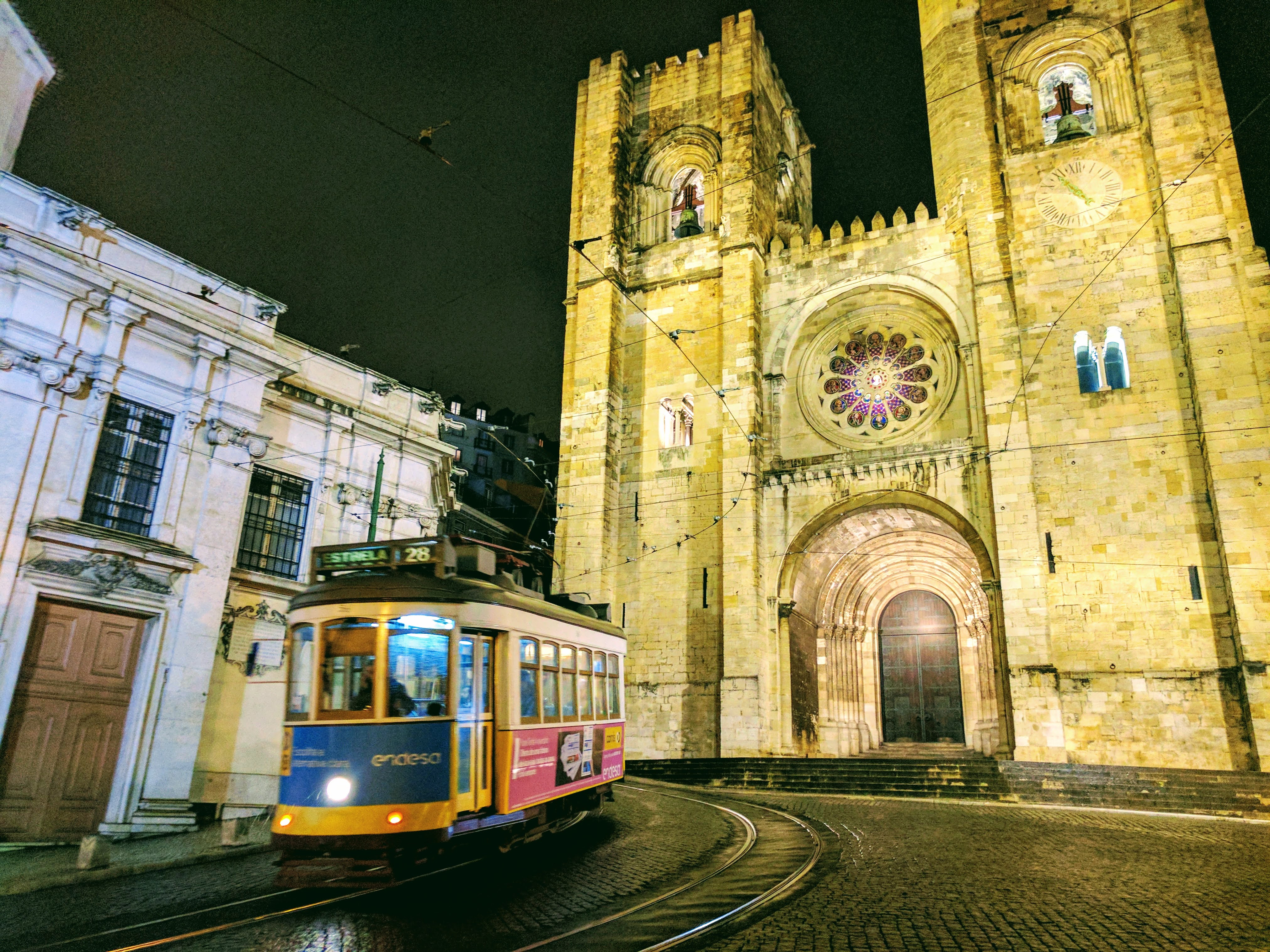
Lisbon streetcar, Portugal

Custom Trips Portugal

Custom Trips to Portugal

Portugal,
Your Way.

Tailor-made Portugal itineraries built around you — from the tiled facades and port wine of Porto and the fado bars of Lisbon, through the cork forests and Roman ruins of the Alentejo, to the golden cliffs and hidden coves of the Algarve.
North to SouthOne Seamless Route
12 DaysSweet Spot
All StylesBudget to Luxury
Overview Regions The Stops Who It's For Itinerary When to Go FAQ

Why Portugal

One of Europe's most rewarding countries — and one of its most overlooked.

Portugal has spent decades in Spain's shadow and is quietly remarkable for it. The crowds are thinner, the prices are lower, the people are genuinely warm, and the country's particular character — melancholic, beautiful, deeply attached to the sea — is unlike anywhere else in Europe. A well-designed Portugal itinerary moves through extraordinary contrasts: the baroque grandeur of Porto and its wine cellars, the tiled neighbourhoods and fado bars of Lisbon, the vast silent landscape of the Alentejo, and the extraordinary coastline of the Algarve from the wild cliffs of Lagos to the Roman-built charm of Tavira.

We've been designing custom trips across Portugal for years — long enough to know which port wine lodge in Vila Nova de Gaia does tastings properly, which Lisbon neighbourhood is worth the walk, and which Algarve beach is twenty minutes from the nearest car park and worth every step.

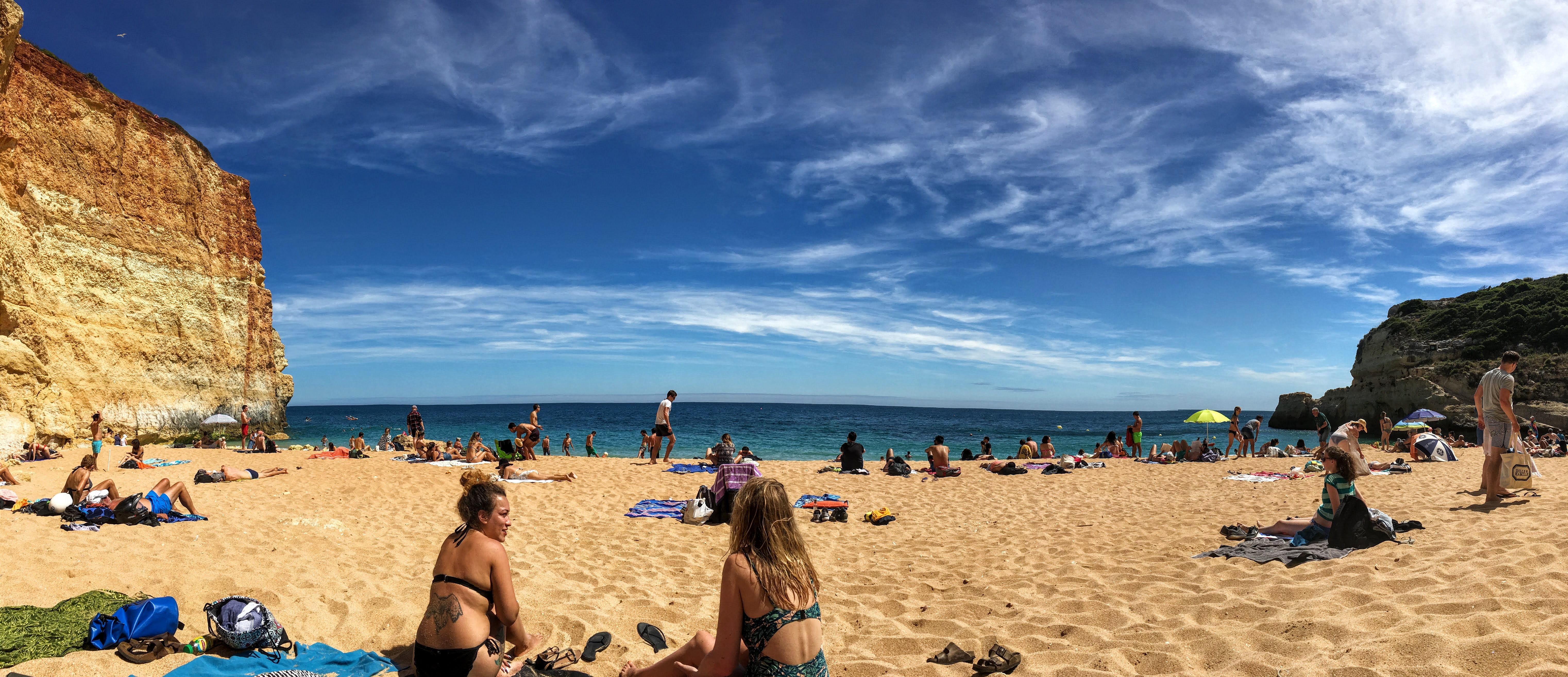
Beach, Lagos, Portugal
5 Stops North to South

The Country

Three distinct regions, each with a completely different character.

The north, the interior plains, and the southern coast feel like separate countries — in landscape, food, pace, and atmosphere. A Portugal itinerary that moves through all three tells a complete story and leaves you with a genuine sense of the country.

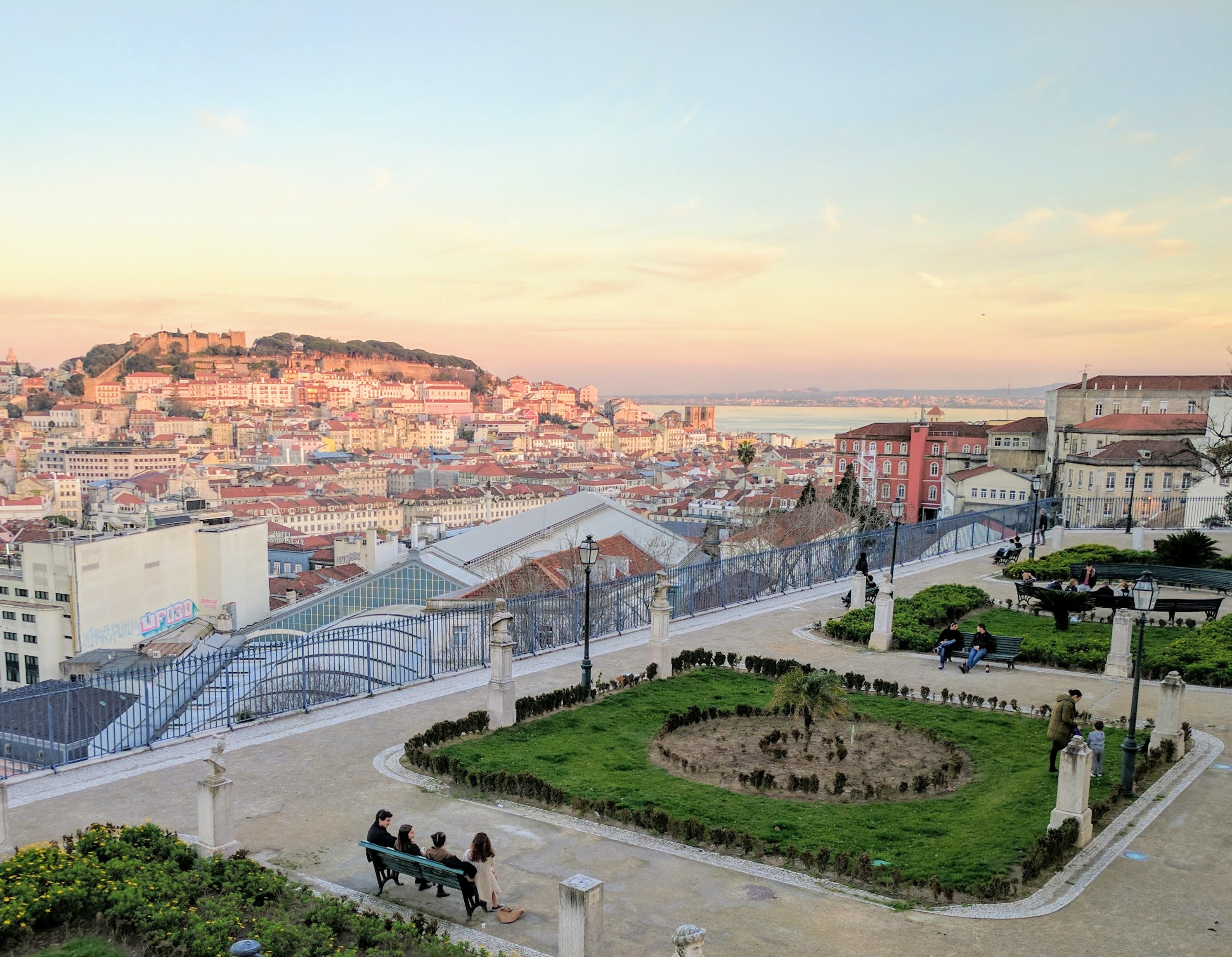
Lisbon viewpoint, Portugal
The Cities — Porto & Lisbon
Portugal's two great cities sit at opposite ends of the country and share almost nothing except their beauty. Porto is compact, hilly, and drenched in azulejo tilework — its riverfront Ribeira neighbourhood a UNESCO World Heritage Site, its wine lodges just across the Douro in Vila Nova de Gaia. Lisbon is larger, more international, and more layered: the historic Alfama quarter climbing steeply from the waterfront, the Belém monuments along the Tagus, and neighbourhood restaurants serving bacalhau and wine at prices that feel almost implausible for a European capital.
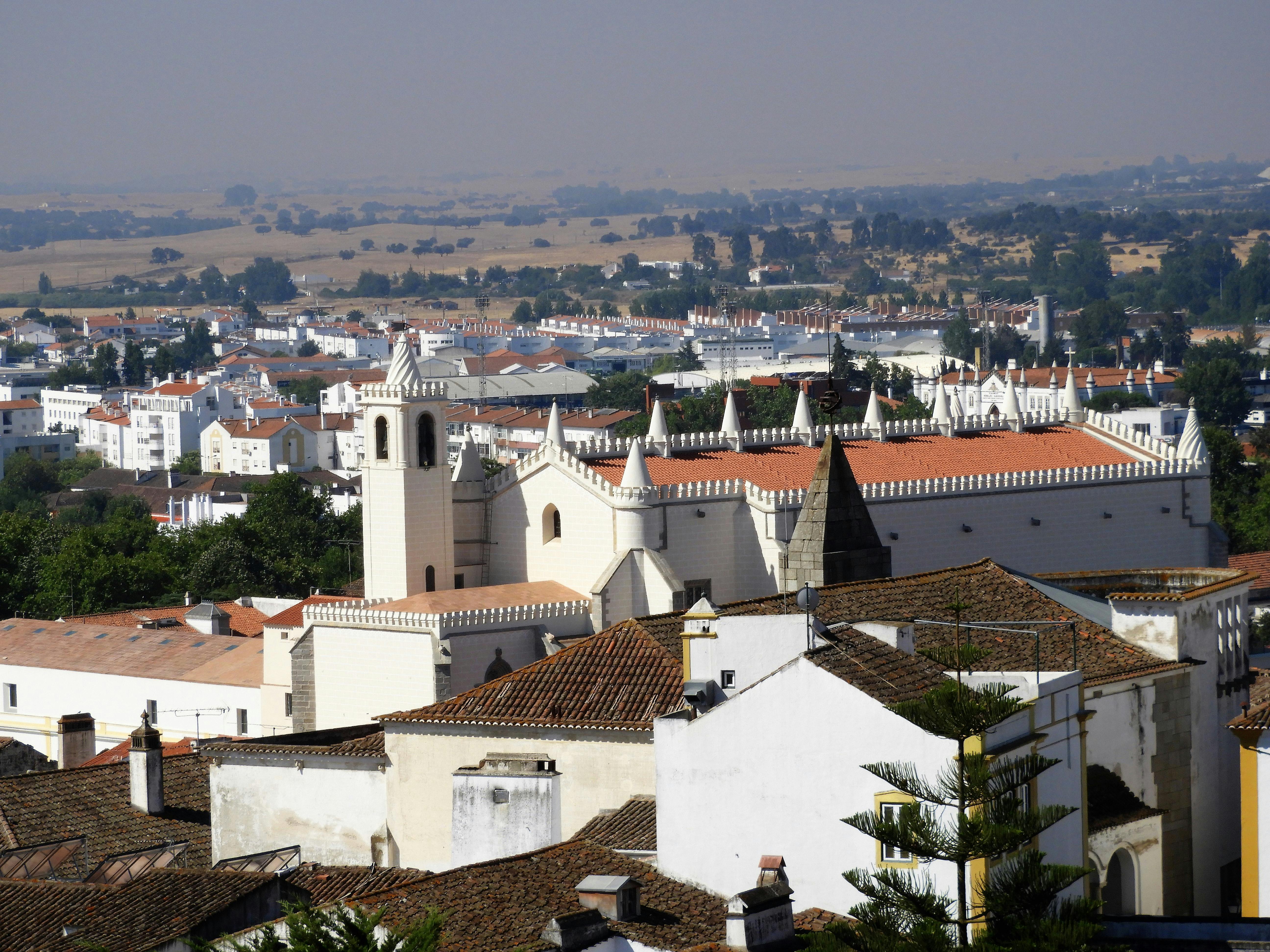
Évora, Alentejo, Portugal
The Alentejo
The interior of Portugal is one of Europe's great undiscovered regions — a vast, quiet landscape of cork oak forests, golden plains, olive groves, and hilltop whitewashed villages that look exactly as they have for centuries. Évora is its capital: a Roman temple rising from the city centre, medieval walls enclosing a cathedral and a university, and one of the best regional cuisines in the country. The Alentejo moves slowly and the silence is one of its most remarkable qualities. After the energy of Lisbon, a night or two here resets something.
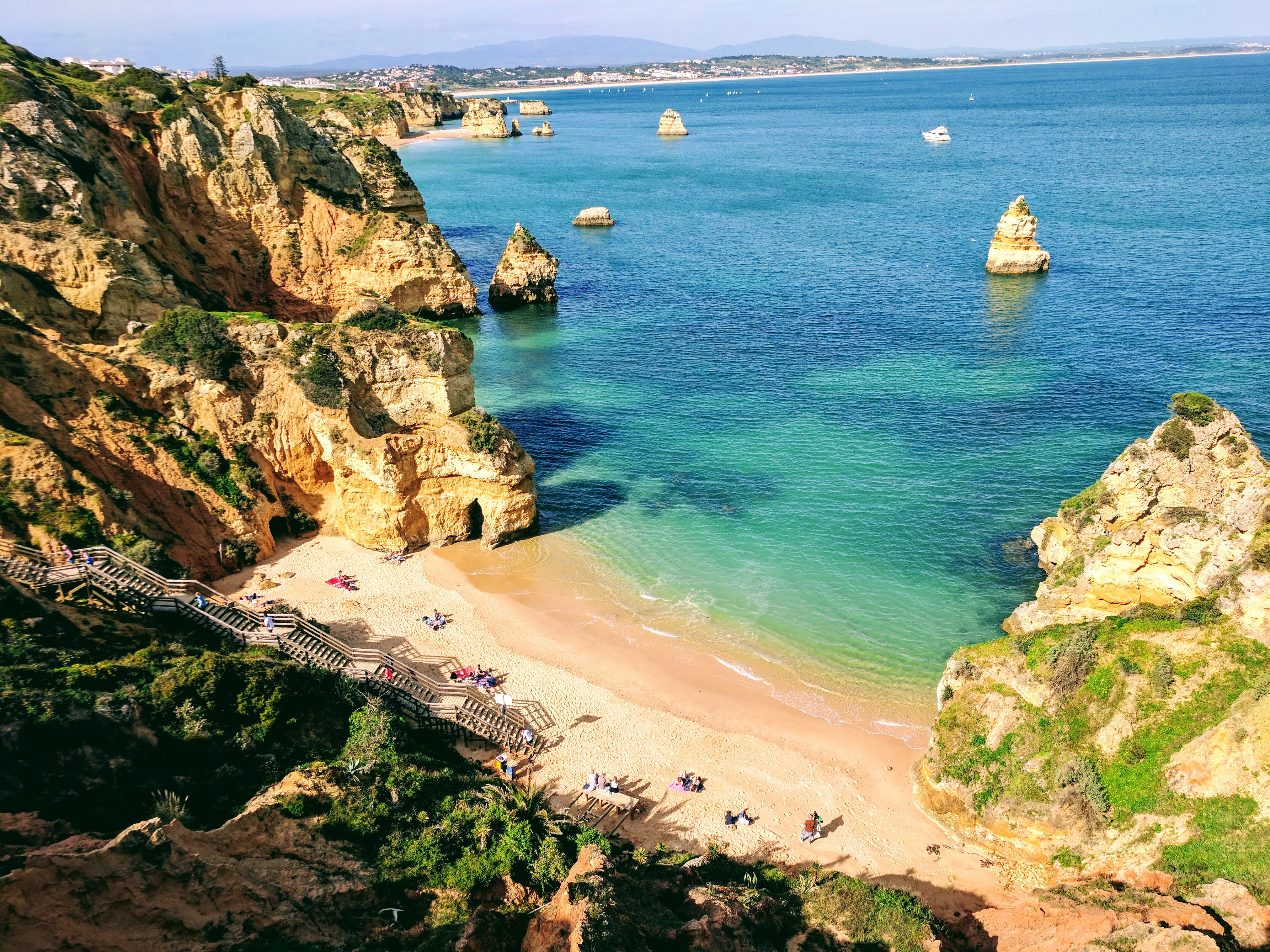
Beach, Lagos, Algarve, Portugal
The Algarve
Portugal's southern coast is one of the finest in Europe — dramatic ochre limestone cliffs, sea caves, golden sand beaches, and water of extraordinary clarity. The western Algarve around Lagos is wilder and more Atlantic in character: towering rock formations, secret grottos accessible by kayak, and a town with enough character to absorb a day beyond the beach. The eastern Algarve around Tavira is quieter, more traditional, and largely untouched by the mass tourism that changed much of the central coast — Roman bridges, tiled churches, and the offshore Ria Formosa nature reserve.

The Stops

Five places, each doing something the others can't.

This itinerary moves north to south — from Porto's wine culture and riverside beauty through Lisbon's layered city life and the Alentejo's quiet plains, to the Algarve's extraordinary coastline. Each stop has its own rhythm and its own reason to be there.

Porto
Port Wine · Ribeira · Azulejos
Porto is one of Europe's most atmospheric cities — compact, hilly, and extraordinarily beautiful. The Ribeira waterfront, with its coloured houses stacked up the gorge above the Douro, is best seen from the Vila Nova de Gaia side across the river, where the port wine lodges have been ageing their barrels for centuries. A tasting at one of the great lodges — Graham's, Ramos Pinto, Taylor's — is not a tourist box-tick; it's a genuinely good way to spend an afternoon. The São Bento train station interior is one of the finest examples of azulejo tilework in the country. The Livraria Lello, one of the world's most beautiful bookshops, is worth the queue. The food scene along the Rua das Flores and up into the Bonfim neighbourhood has developed quietly into one of the most exciting in Portugal.
Lisbon
Fado · Alfama · Belém · Pastéis
Lisbon is a city that rewards those who slow down. The Alfama — the old Moorish quarter that survived the 1755 earthquake and tumbles steeply down to the Tagus — is best explored on foot in the morning: narrow lanes, azulejo-covered walls, and small restaurants with handwritten menus that change daily. The Belém waterfront has the Tower and the Jerónimos Monastery for those who want monuments — and the original Pastéis de Belém, which has been making Portugal's most famous custard tart to the same recipe since 1837, directly next door. A fado evening in a neighbourhood restaurant in the Alfama or Mouraria — where the music is still performed as it has been for generations — is one of those Portugal experiences that is both completely authentic and completely moving.
Évora
Alentejo · Roman Temple · Silence
Évora is the kind of place that surprises people who include it on a whim and becomes the part they remember longest. A Roman temple standing intact in the city centre. A medieval cathedral with a rooftop terrace looking out across the plains. A bone chapel — the Chapel of Bones — built by Franciscan monks from the skeletal remains of 5,000 people, with an inscription above the door that reads: "We bones that are here, for yours we wait." The Alentejo food tradition is extraordinary: migas, black pork, slow-cooked lamb, and the region's wines — powerful, earthy reds from Alentejo's sun-baked soils — served in quantities that make a long lunch feel mandatory. One night is enough to feel it; two is better.
Lagos
Wild Coast · Sea Caves · Atlantic
Lagos sits at the western end of the Algarve and has a more rugged, Atlantic character than the central coast. The cliffs around Ponta da Piedade — extraordinary formations of golden limestone, sculpted by the Atlantic into arches, grottos, and sea stacks — are among the most dramatic coastal landscapes in Europe. A kayak through the caves at water level is one of the finest ways to experience them. The Meia Praia beach stretching east of the town is wide enough and long enough that even in high summer it never feels genuinely crowded. Lagos town itself has a historic centre with enough character to reward an evening wander, and a restaurant scene that has quietly become one of the best in the Algarve.
Tavira
Eastern Algarve · Roman Bridge · Ria Formosa
Tavira is the Algarve that most visitors never find — a quiet, beautiful town in the east of the region with an old town that still feels genuinely local. A Roman bridge crosses the Gilão river at the town centre, surrounded by churches, whitewashed houses with terracotta roofs, and restaurants that serve grilled fish to the same clientele they've served for decades. The beach here — Ilha de Tavira — sits on a barrier island in the Ria Formosa nature reserve, reached by ferry, and has a quality of quietness and natural beauty that the central Algarve beaches lost years ago. Tavira finishes the trip at a pace that makes leaving genuinely difficult.

Who It's For

Portugal works for almost anyone — when the route is well designed.

We've designed Portugal trips for couples, families, solo travellers, food lovers, culture seekers, and people looking for the most beautiful beaches in Europe without the crowds of the Mediterranean. The north-to-south route works for almost any travel style — the key is the pacing.

Food & Wine Lovers
Portuguese food is quietly extraordinary — and vastly underrated internationally. Bacalhau (salt cod) in a hundred preparations. The black pork of the Alentejo. The seafood grilled on charcoal along the Algarve coast. Pastéis de nata warm from the oven. Port wine aged in lodges above the Douro. And wine at every stop: Vinho Verde in the north, powerful Alentejo reds in the interior, and the fresh whites and reds of every region in between. We build the right restaurants, markets, and tastings into every stop.
Couples & Honeymoons
Portugal has a natural romantic atmosphere that's both genuine and unhurried. A fado evening in a candlelit restaurant in Lisbon's Alfama. A tasting at a port wine lodge as the sun sets over the Douro valley. A morning on Tavira Island with almost no one else there. A dinner in Évora with a bottle of Alentejo red that costs less than a glass of wine would elsewhere. We know which properties create that feeling genuinely and build itineraries that leave room for the long lunches that turn into whole afternoons.
Culture & History
Few countries of Portugal's size carry this much history. A Roman temple in Évora. A Moorish castle in Lisbon. Manueline Gothic monasteries in Belém. An entire city — Porto's Ribeira — as a UNESCO World Heritage Site. The azulejo tile tradition that covers walls from train stations to churches to ordinary houses and is unlike anything else in Europe. And the particular Portuguese quality that the poet Fernando Pessoa called saudade — a longing beauty that runs through everything from the fado music to the light on the Tagus in the late afternoon.
Beach & Coastal Life
The Algarve's coastline is one of the finest in Europe — dramatic limestone cliffs, hidden sea caves, and beaches of genuine natural beauty. Lagos and Tavira sit at the two ends of the region and between them represent the full range: the wild Atlantic drama of the west and the quieter, warmer, more protected east. Tavira Island in particular — reached by ferry through the Ria Formosa — has a quality of untouched beauty that's increasingly rare on any European coast. We know which beaches to prioritise and which access points to use.

Sample Itinerary

12 Days in Portugal — Porto to Tavira.

This itinerary moves north to south through the full length of Portugal — two days each in Porto and Lisbon, a day trip up the Douro Valley for wine, two days in Évora and the Alentejo, then three days of Algarve coast split between Lagos and Tavira. Every itinerary we build is shaped around your pace and interests. This is a starting point.

1–2
Porto
Two days in Portugal's most beautiful city
Porto rewards those who arrive without too much of a plan. The city is compact enough to cover on foot and hilly enough that every walk reveals something unexpected — a tiled church facade around a corner, a miradouro looking out across the Douro, a pastelaria that's been in the same family since the 1950s. The port wine lodges across the river in Vila Nova de Gaia deserve a proper afternoon: not a rushed tasting at a tourist counter, but a slow walk through the cellars of one of the great lodges and a glass of aged tawny looking back across the water at Porto's old town. The Douro riverfront is at its best at dusk, from a table along the Cais da Ribeira. Two days gives you the city and the wine lodges — and leaves you ready to head up the valley the following morning.
Ribeira QuarterPort Wine LodgesSão Bento StationLivraria LelloDouro Riverfront
3
Douro Valley
A day trip up one of Europe's most beautiful river valleys
The Douro Valley — a UNESCO World Heritage Site — begins about an hour east of Porto and unfolds as one of the most dramatic wine landscapes in Europe: steep terraced vineyards cut into the schist hillsides above the river, quintas (wine estates) clinging to the slopes, and a light in the late afternoon that turns the whole valley golden. A day trip from Porto by road follows the river upstream through the heart of the valley — stopping at a quinta for a wine tasting and a long lunch looking out over the vines, and returning to Porto by evening. The wines here are the raw material for port, but the valley also produces exceptional still reds and whites that rarely leave Portugal and are best drunk exactly where they're made. It's one of those days that feels disproportionately good for the effort involved.
Douro ValleyQuinta Wine TastingTerraced VineyardsUNESCO LandscapeStill Wines
4–5
Lisbon
Two days in Europe's most underrated capital
Lisbon rewards those who slow down — and two focused days is enough to feel it properly. The Alfama is the natural starting point: the oldest neighbourhood, the steepest lanes, the best viewpoints, and the fado music that is the city's particular sound. A morning here on foot, without a particular destination, is one of the most rewarding ways to spend time in any European city. The second day reaches further: Belém and its monuments along the Tagus, the original Pastéis de Belém bakery next door (the custard tarts here have been made to the same recipe since 1837), and the neighbourhoods of Príncipe Real and Mouraria in the afternoon. A fado dinner in the evening — in a neighbourhood restaurant in the Alfama where the music begins late and the food comes first — is the right way to close the city days before heading south.
Alfama QuarterFado MusicBelém TowerPastéis de NataMiradouros
6–7
Évora & the Alentejo
Two days in the Alentejo — slow, ancient, and quietly extraordinary
Évora is the kind of place that resets the pace of a trip. The city is small enough to walk across in twenty minutes and layered enough to absorb two full days. The Roman temple in the city centre — built in the first century AD and standing almost completely intact — is an extraordinary thing to encounter at the end of a cobbled lane. The cathedral nearby dates from the twelfth century; its rooftop terrace offers views across the Alentejo plains that stretch flat and enormous toward the Spanish border. The afternoon belongs to the Alentejo table: a long lunch of black pork, rich red wine, and the particular bread — broa de milho or a dense sourdough — that absorbs everything. The Chapel of Bones, built from the remains of 5,000 monks as a meditation on mortality, is confronting and extraordinary in equal measure. The second afternoon is for the wineries. The Alentejo is one of Portugal's most important wine regions — powerful, sun-baked reds and increasingly impressive whites from estates just outside Évora that welcome visitors for tastings. The evenings here are genuinely quiet — a Portugal that hasn't particularly adjusted for tourists, and is better for it.
Roman TempleChapel of BonesAlentejo CuisineWine TastingAlentejo Estates
8–10
Lagos
Three days on the wild Atlantic coast
The Algarve begins properly at Lagos — wilder and more Atlantic in character than the central coast, with clifftop landscapes that feel genuinely dramatic rather than simply pretty. Ponta da Piedade, the headland just south of the town, is the centrepiece: a kilometre of eroded limestone formations creating arches, sea stacks, grottoes, and channels of turquoise water that change colour through the day. A kayak at sea level, passing through the caves and under the arches, is the finest way to experience them. The Dona Ana and Praia do Camilo beaches below the cliffs are among the most beautiful in the Algarve — accessible by steps cut into the rock, small enough to feel discovered. Lagos town itself has a historic centre with whitewashed walls and a compact old quarter worth an evening. The third day allows for more of the same at a slower pace — or a longer stretch on Meia Praia, the wide beach east of town where the Atlantic rolls in long and unhurried. The waterfront restaurants along the Bensafrim river are good and unpretentious — grilled fish, cold wine, no particular rush.
Ponta da PiedadeSea Cave KayakingDona Ana BeachAtlantic CliffsSeafood
11–12
Tavira
Two days at the Algarve's most beautiful and most overlooked town
Tavira sits in the eastern Algarve and finishes the trip at exactly the right pace. The town is genuinely beautiful and genuinely local — the Roman bridge at its centre, the churches, the whitewashed houses with their distinctive four-sided rooftops, and the restaurants along the river that have been serving grilled fish to the same families for decades. The beach — Ilha de Tavira — sits on a barrier island in the Ria Formosa natural park, reached by a short ferry crossing, and has a quality of natural, unhurried beauty that is increasingly rare anywhere on the European coast. The water is calmer and warmer than the western Algarve, the crowds are thinner, and the dunes behind the beach stretch long and empty. Two days here feels like the right amount of time. Most people wish it were more.
Ilha de TaviraRia FormosaRoman BridgeGrilled FishEastern Algarve

Portugal is smaller than most people expect — the distances between stops are manageable and the country rewards a slower pace more than almost anywhere in Europe. The restaurants we book, the port wine lodge we use in Porto, the fado restaurant in Lisbon, the Alentejo lunch — this is what makes the difference between a good Portugal trip and an extraordinary one.

When to Visit

Portugal is a year-round destination — but the shoulder seasons are exceptional.

The Algarve stays mild almost year-round. Lisbon and Porto are pleasant from March to November. The Alentejo gets hot in midsummer but is extraordinary in spring when the plains bloom with wildflowers. Getting the timing right makes a significant difference — particularly for the Algarve in high season.

Jan
Mild
Feb
Mild
Mar
Good
Apr
Peak
May
Peak
Jun
Peak
Jul
Hot
Aug
Hot
Sep
Peak
Oct
Peak
Nov
Good
Dec
Mild
Peak / best conditions
Good — warm or mild
Mild / quieter
Apr – Jun: The Sweet Spot
The finest window for a full Portugal itinerary. The Alentejo plains are in bloom in April and May — wildflowers across the cork forests, the light extraordinary. The Algarve is warm enough for the beach from May. The cities are pleasant and uncrowded. This is consistently the window we recommend for first-time visitors and anyone who wants the country at its most beautiful.
Sep – Oct: Equally Excellent
September and October are arguably the finest months in the Algarve — the summer crowds have thinned, the sea is at its warmest, and the light has that particular quality of early autumn that makes the cliffs and the beaches look even better than they do in midsummer. The cities are more manageable. The Alentejo is cooler and the harvest is underway in the vineyards. A genuinely excellent time to visit.
Jul – Aug: Beautiful but Busy
High summer in Portugal means the Algarve fills up, the Alentejo gets genuinely hot (often above 40°C), and prices peak across the country. The cities remain enjoyable — Lisbon and Porto have a different, more local energy in August when many Portuguese leave for the coast. The Algarve beaches are at their best for swimming. With the right property and itinerary, summer works well — book everything early.
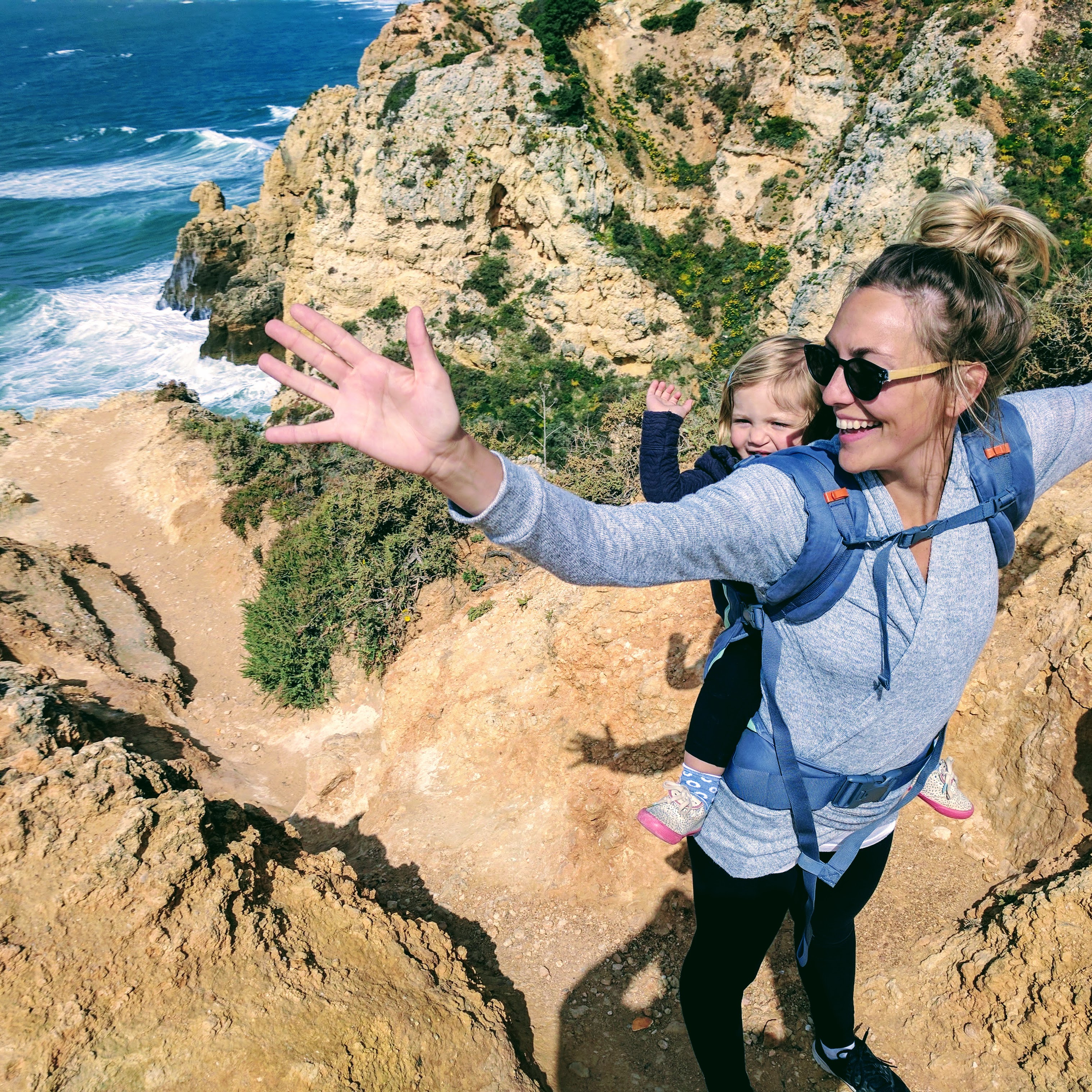
Family travel, Portugal
Our Portugal Expertise

We know Portugal beyond the obvious stops.

The Right Restaurants

Portuguese food culture is built around neighbourhood restaurants that don't advertise, have handwritten menus, and change what they cook based on what arrived at the market that morning. Finding them — in Lisbon's Alfama, in Évora's backstreets, along the Algarve coast — is the difference between eating well and eating extraordinarily well. These are the restaurants we book.

The Alentejo, Done Properly

Most Portugal itineraries jump straight from Lisbon to the Algarve and skip the Alentejo entirely. This is a significant omission — the region is one of Europe's most distinctive and beautiful, and Évora is one of the most remarkable small cities on the continent. We include it as a standard stop on every full Portugal itinerary and design around it rather than treating it as an afterthought.

Tavira Over the Central Algarve

The central Algarve — Albufeira, Vilamoura, Portimão — has been heavily developed and doesn't represent the best of the region. We deliberately route through Lagos in the west and Tavira in the east, both of which retain a genuine character and offer coastal experiences that the central strip can't match. Tavira Island in particular is one of the finest beaches in Southern Europe and genuinely quiet.

Always With You

Our team is available via WhatsApp throughout your entire trip. Restaurant closed? Weather changed your plans? Something didn't go as expected? We sort it — wherever you are in the country.

What Travellers Say

Portugal trips they'll talk about forever.

Curtis and Andreas took the time to learn about our objectives and used their decade of experience to make discerning recommendations. During a flight cancellation, Andreas had already researched alternatives and re-booked us before I could even read the email. It was such a relief to know we were not alone on the other side of the world.

Leah Rae · Southeast Asia, 2024

Being in our 40s, we do not travel the way 20-year-olds do. It was so great to be able to trust Free & Easy to look after all the details. No matter where we were, we were just a quick message away from any help. On a scale from one to ten, we give them fifteen!

Tammy & Robert Bell · 2026

Common Questions

Everything you need to know.

Twelve days is the sweet spot for covering Porto, Lisbon, Évora, Lagos, and Tavira without anything feeling rushed. Three days in Porto, three in Lisbon, two in Évora, two in Lagos, and two in Tavira gives each place enough time to feel it properly rather than tick it off. Ten days is possible but requires cutting somewhere — usually Évora gets shortened, which is a shame. We'd rather design a trip that goes deeper into fewer places than one that races through all five at a sprint.
Consistently one of the stops people mention most when they get home. Évora is extraordinary — a Roman temple, a medieval cathedral, a bone chapel, and a food tradition built around the Alentejo's remarkable black pork and powerful red wines. The region also provides an important tonal shift between the city energy of Lisbon and the beach pace of the Algarve — two days here that feel almost completely different from anything else on the itinerary. We include it as standard and have never had anyone wish they'd skipped it.
The central Algarve — particularly around Albufeira and Vilamoura — has been heavily developed for mass package tourism and has lost much of its original character. Tavira has been largely bypassed by this and retains something genuinely Portuguese: a town that functions as a town rather than a resort, with local restaurants, a working port, and a beach on a barrier island in the Ria Formosa nature reserve that is both beautiful and genuinely quiet. The water on the eastern Algarve is also calmer and warmer than the more Atlantic western coast.
Fado is Portugal's traditional music — a deeply melancholic form of singing accompanied by Portuguese guitar, built around the concept of saudade (a longing or yearning that has no direct English translation). In a good venue it's one of the most moving musical experiences in Europe. The key is finding an authentic performance rather than a tourist production. We book fado dinners in restaurants in the Alfama and Mouraria where the music is taken seriously, the food is genuinely good, and the experience feels as it should — unhurried, intimate, and completely real.
Portugal is noticeably more affordable than Spain at every level — restaurant meals, wine, accommodation, and activities are all cheaper, sometimes significantly so. A three-course lunch with wine at a good Lisbon restaurant costs what a café meal would in Madrid. Alentejo red wine at a neighbourhood restaurant in Évora is almost embarrassingly inexpensive for the quality. Even the Algarve in high season, where prices peak relative to the rest of the country, remains excellent value by any European comparison. For a full breakdown of day-to-day costs, see our Portugal Spending Money Guide.
Very naturally. The two countries share a long border and the combination works well — Lisbon is around two and a half hours from Madrid, and a trip that begins in Porto and ends in Seville, or begins in Barcelona and ends in the Algarve, makes geographic and cultural sense. We design combined Iberian itineraries regularly and can build something that gives each country the time it deserves rather than rushing between them. Flexible payment plans are also available — just ask.

Let's Start Planning

Ready for your
Portugal trip?

Tell us which parts of Portugal draw you, how long you have, and how you like to travel. We'll design the rest.

Flexible payment plans available — just ask.

Fill Out the Form travel@fnez.com

More Destinations We Know Deeply