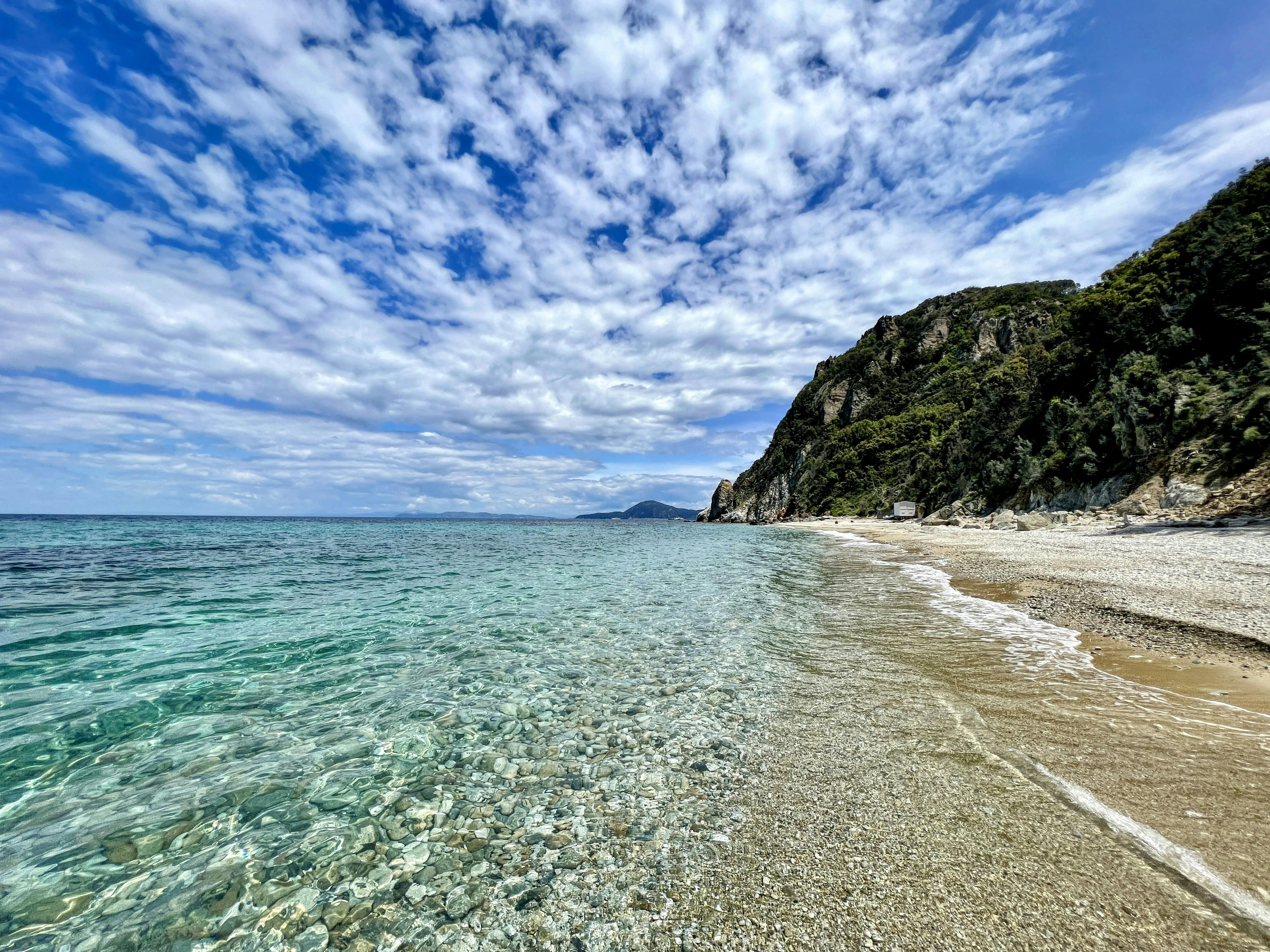
Elba Island, Italy — crystal clear Mediterranean water

Custom Trips Italy

Custom Trips to Italy

Italy,
Your Way.

Tailor-made Italy itineraries built around you — from the ancient streets and extraordinary food of Rome through the hidden beaches of Elba and the medieval walls of Lucca, past the Uffizi and the Duomo of Florence, and on to the canals and light of Venice.

Rome to VeniceNorth to South
11 DaysSweet Spot
All StylesBudget to Luxury
Overview Regions The Stops Who It's For Itinerary When to Go FAQ

Why Italy

The most loved country in Europe — and one of the most rewarding when done right.

Italy is the destination almost everyone wants to visit and the one most people get wrong. Too much time in the big cities, too little time in the places that make the country genuinely extraordinary. A well-designed Italy itinerary moves through extraordinary contrasts: the ancient layers and neighbourhood trattorias of Rome, the hidden Mediterranean beaches and Napoleon's exile island of Elba, the perfectly preserved medieval city of Lucca with its walkable Renaissance walls, the art and architecture of Florence, and finally the impossible, impractical, irreplaceable beauty of Venice.

We've been designing custom trips across Italy long enough to know which trattoria in Rome's Trastevere neighbourhood has been serving the same carbonara recipe since 1962, which beach on Elba is accessible only by boat, and why Lucca deserves three times the attention it typically gets on a standard Italy itinerary.

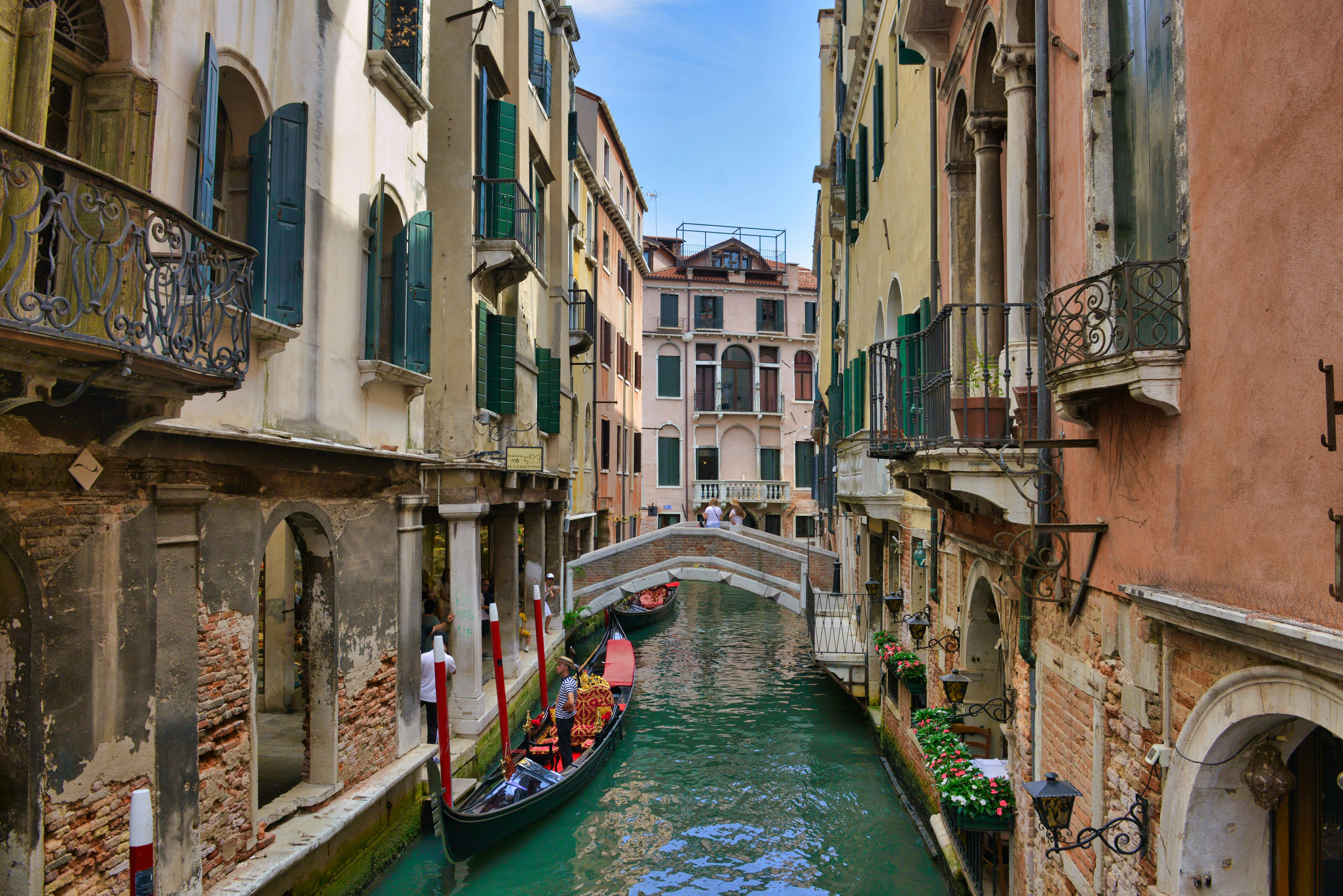
Venice canals and gondolas, Italy
5 Stops South to North

The Country

Three distinct regions — ancient Rome, Tuscan countryside, and the Venetian north.

Italy's regions feel like separate countries in food, character, landscape, and pace. Moving through all three on a single itinerary tells the full story of the country — and creates the kind of contrast that makes each stop feel more vivid than the last.

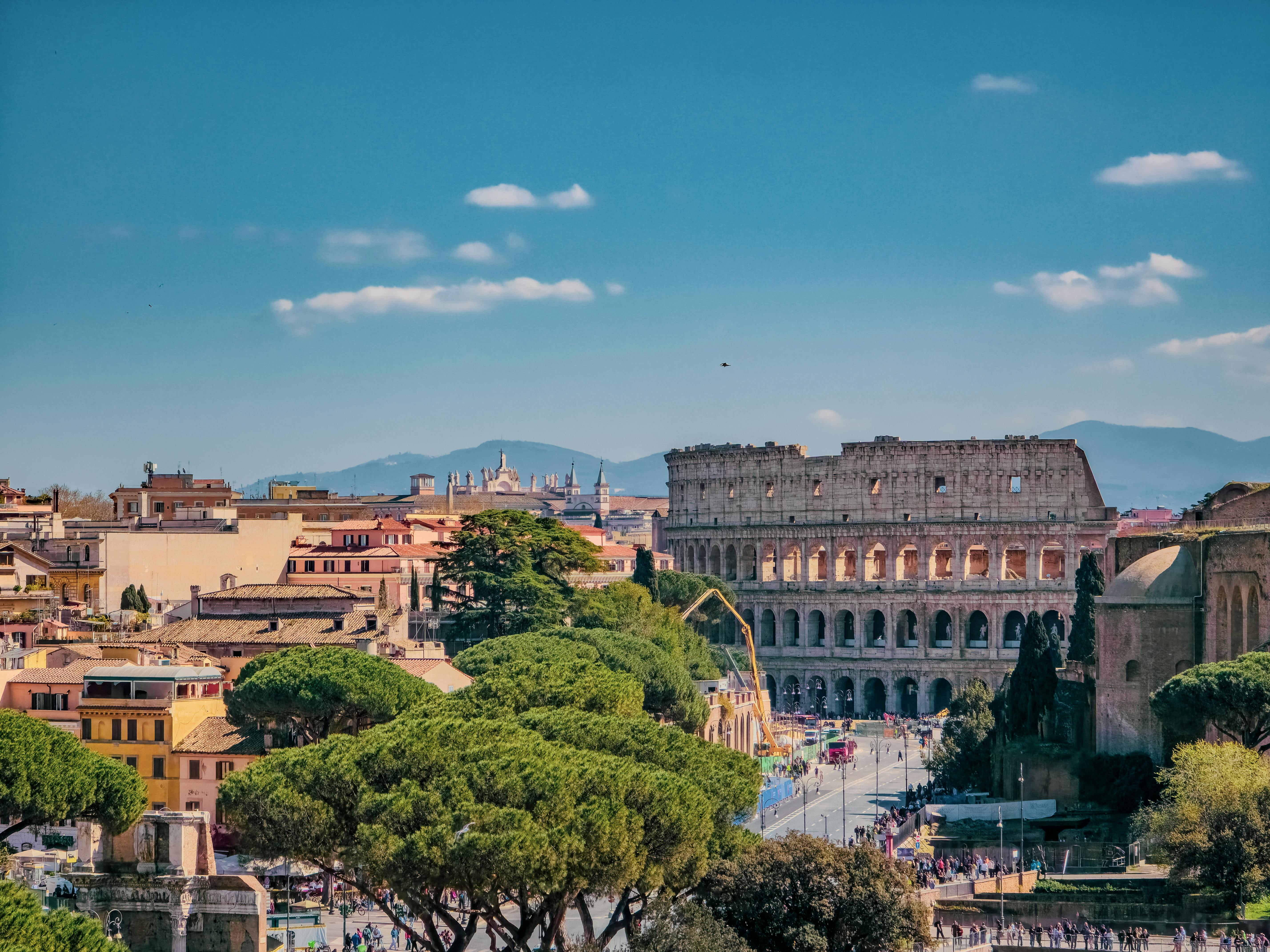
Rome, Italy — Colosseum cityscape
Rome & the Ancient South
Rome is unlike any other city in the world — a capital that has been continuously inhabited for nearly three thousand years, where the ancient and the modern exist in layers so dense that the city is essentially an open-air museum you happen to eat and sleep in. The Colosseum, the Forum, the Pantheon, the Vatican — all within walking distance of trattorias that have been serving the same four pasta dishes since the 1950s. Rome rewards those who slow down and wander without a particular destination, and punishes those who try to see everything in a day.
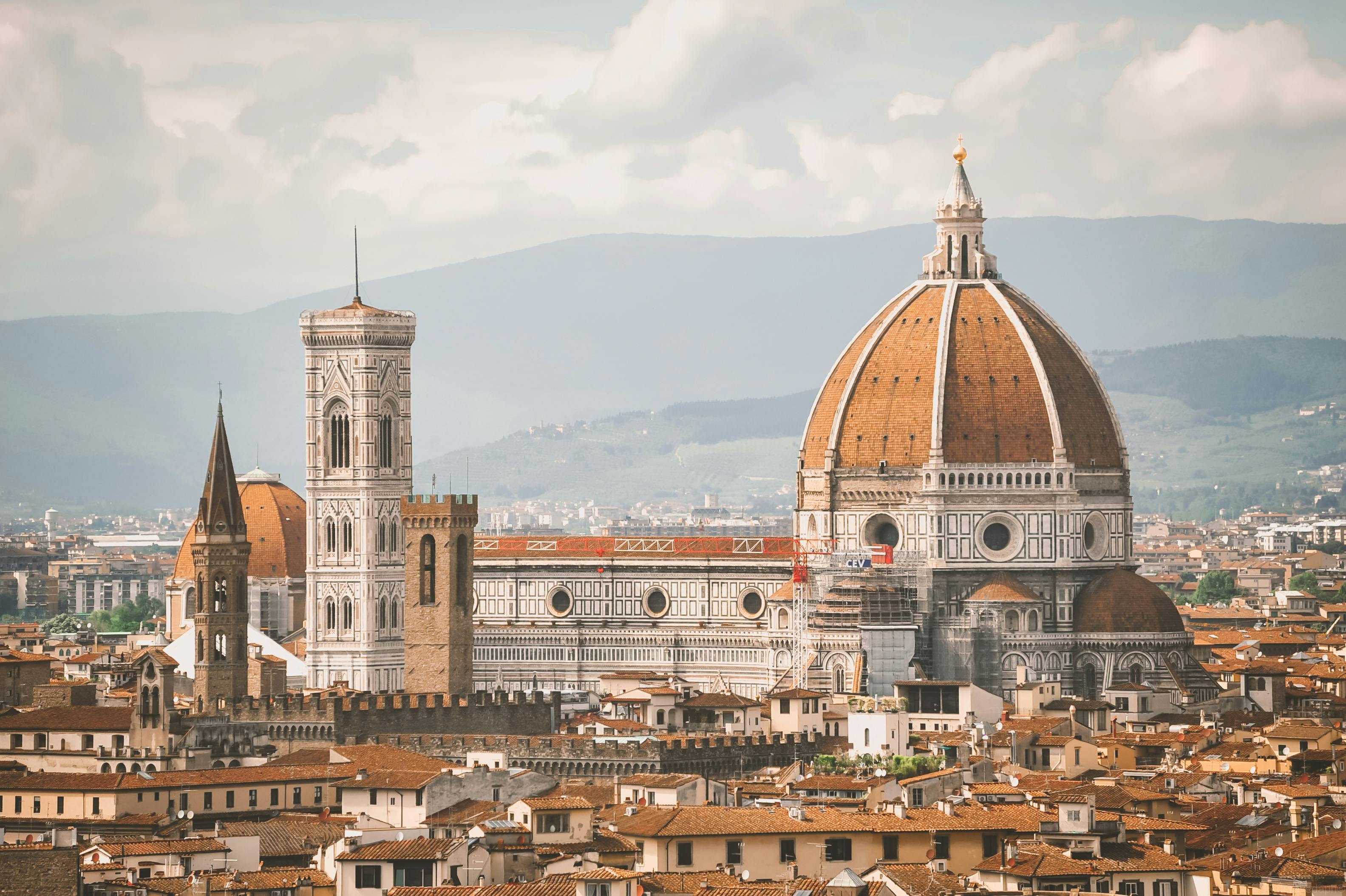
Florence Duomo, Italy
Tuscany & the Islands
Tuscany is the Italy of the imagination — cypress-lined roads, hilltop towns, vineyards, and the extraordinary concentration of Renaissance art and architecture in Florence. But Tuscany also has a coastline that most itineraries ignore entirely: Elba, the largest island in the Tuscan Archipelago, with a Mediterranean character completely different from the inland region. Between the island's hidden coves and Florence's Uffizi, Tuscany offers more range than any other Italian region. Lucca — a perfectly preserved medieval city enclosed by Renaissance walls — provides the essential counterpoint to Florence's density and scale.
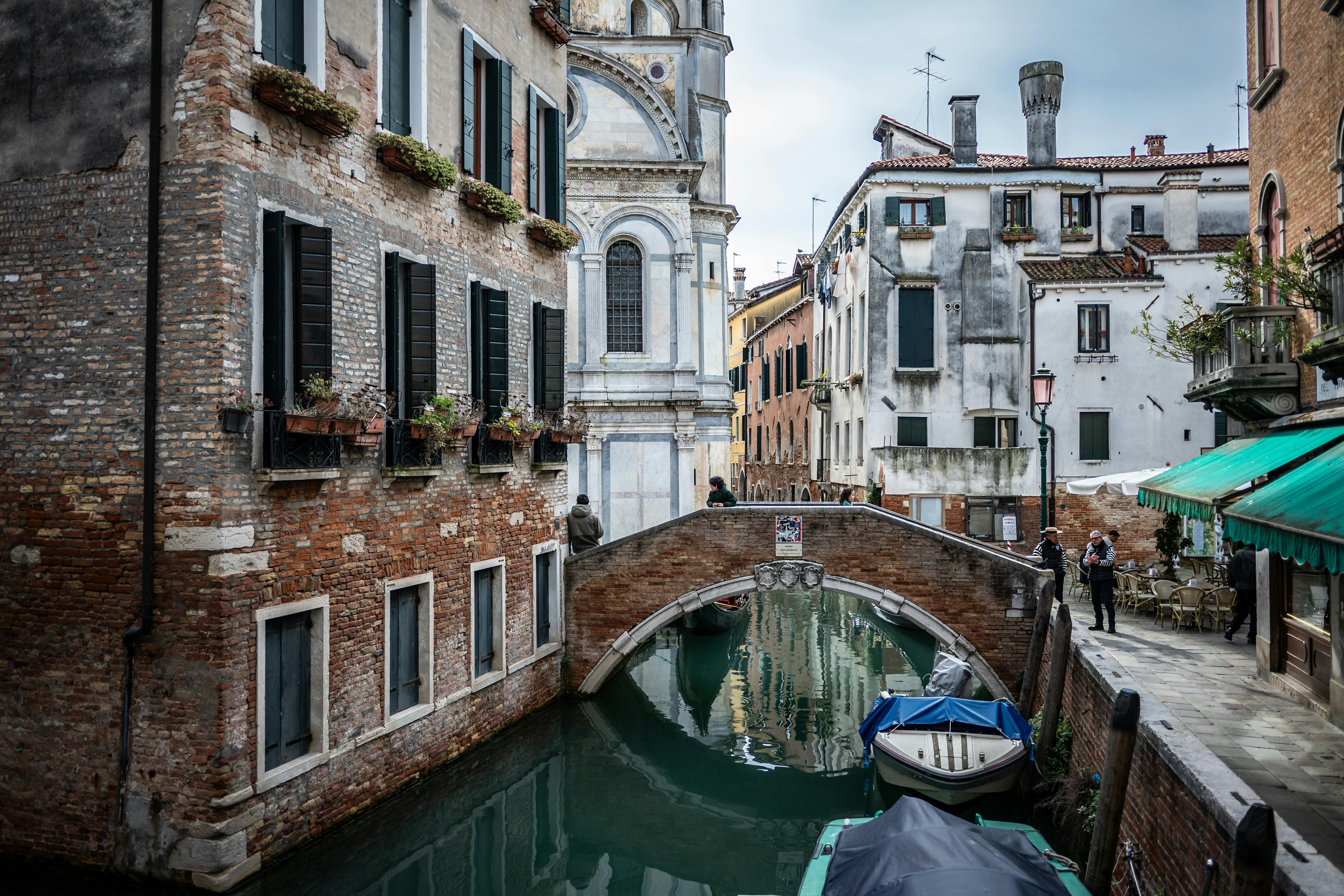
Venice canals, Italy
The Venetian North
Venice is the most improbable city ever built — a medieval republic constructed on 118 islands in a lagoon, without a single road, connected by 400 bridges and navigated entirely by boat. It is also one of the most beautiful places on earth. The challenge with Venice is doing it right: avoiding the cruise ship crowds, finding the restaurants in the quiet sestieri where locals actually eat, and arriving early enough in the morning or late enough in the evening to see the city without the day-trip masses. Done properly — which a custom itinerary allows — Venice is an extraordinary way to end an Italy trip.

The Stops

Five places, each doing something the others can't.

This itinerary moves from south to north — from Rome's ancient layers through Elba's hidden Mediterranean coast and Lucca's medieval streets, into Florence's Renaissance masterpieces, and finally to Venice. Each stop has its own rhythm and its own reason to be there.

Rome
Ancient Rome · Vatican · Trastevere · Carbonara
Two days in Rome is not enough — it never is — but two well-designed days gives you the essential city without the exhaustion of trying to see everything. The first day belongs to the ancient: the Colosseum and the Roman Forum in the morning (pre-booked timed entry is essential), the Palatine Hill at midday, and the Pantheon — still free to enter — in the afternoon, with a detour through the Campo de' Fiori market. The evening is for Trastevere: Rome's most atmospheric neighbourhood, across the Tiber from the historic centre, where the trattorias are genuine and the narrow lanes fill with locals in the early evening. The second day crosses the Tiber to the Vatican — the Sistine Chapel requires an early start and a pre-booked ticket — then explores the Piazza Navona area, the Spanish Steps, and the neighbourhood around the Trevi Fountain. The Roman food tradition is one of the finest in Italy: cacio e pepe, carbonara, amatriciana, supplì, and artichokes alla romana. Finding the right restaurants — the ones where the pasta is made that morning and the wine costs less than the water — is the difference between a good Rome experience and a genuinely extraordinary one.
Elba Island
Mediterranean Island · Hidden Beaches · Napoleon's Exile · Seafood
Elba is the stop on this itinerary that surprises people most and becomes the part they talk about longest. The island — Napoleon's place of exile from 1814 to 1815, which he used to redesign the entire road network and begin planning his return to France — sits off the Tuscan coast and has the character of a Mediterranean island that the tourist industry largely forgot. The beaches here are extraordinary: clear water, granite boulders, and a range from the wide sandy bays of Marina di Campo to the small hidden coves accessible only by boat that feel entirely private even in August. Three nights gives you the time to properly explore the island: the hilltop capital of Portoferraio with its Napoleonic residences and its views across the Tyrrhenian Sea; the wine estates in the Sant'Andrea hills producing Elba Rosso and Aleatico; the boat trip along the western coast stopping at coves that have no road access; and the mountain ridgeline across Monte Capanne that divides the island and offers views to Corsica on clear days. The seafood on Elba — fresh that morning from the fishing boats in Portoferraio harbour — is exceptional. The spaghetti alle vongole, the grilled dentice, and the local bottarga are among the finest versions of those dishes anywhere in Italy.
Lucca
Medieval Walls · Cyclists · Pisa Day Trip · Tuscany
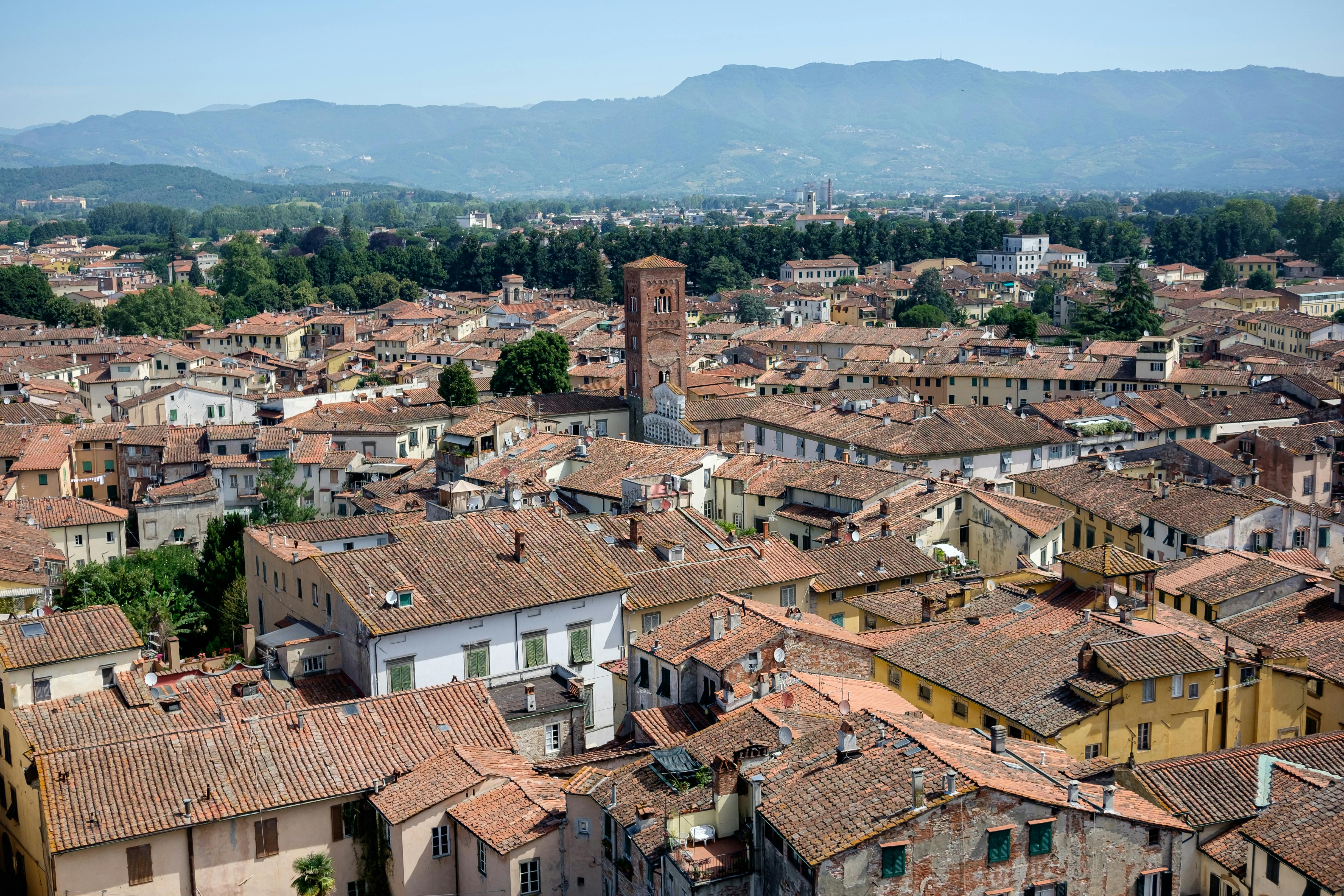
Lucca is the Italian city that most people have never heard of and, after visiting, can't believe they almost missed. A perfectly preserved medieval city enclosed by Renaissance-era walls — four kilometres of them, wide enough for a tree-lined avenue along the top — Lucca functions as a genuinely Italian town rather than a tourist destination. The car-free historic centre is navigated on foot or by bicycle, the piazzas are filled with locals rather than tour groups, and the restaurants serve the particular Lucchese food tradition — garlic-free, as the story goes, because of a medieval dispute with the garlic merchants of nearby Pisa — that differs meaningfully from the rest of Tuscany. The day trip to Pisa from Lucca takes an hour by train — fast, cheap, and infinitely more pleasant than basing yourself in Pisa itself, which has little to offer beyond the tower. The Piazza dei Miracoli — the tower, the cathedral, and the baptistery — is genuinely extraordinary in the early morning before the tour groups arrive. Two nights in Lucca, with the Pisa day trip on the second day, is one of the finest parts of this itinerary.
Florence
Uffizi · Michelangelo's David · Duomo · Oltrarno · Bistecca
Florence contains the greatest concentration of Renaissance art and architecture in the world — and the challenge of visiting is managing the crowds, the queues, and the temptation to try to see everything. Two focused days, with pre-booked tickets for everything, covers the essential Florence properly. The Uffizi Gallery — home to Botticelli's Birth of Venus, Leonardo's Annunciation, and Caravaggio's Medusa — requires at least three hours to do meaningfully and is best entered at opening time with a timed ticket booked well in advance. The Accademia, ten minutes' walk away, houses Michelangelo's David — a work that is significantly more extraordinary in person than any photograph suggests. The Duomo and its dome, designed by Brunelleschi and completed in 1436, remains one of the greatest architectural achievements in history; climbing to the top requires a timed booking but the view justifies every one of the 463 steps. The Ponte Vecchio and the Oltrarno neighbourhood — the artisan quarter on the south bank of the Arno — provide the human counterpoint to the institutional scale of the galleries. The bistecca alla Fiorentina — a thick T-bone of Chianina beef, cooked rare over charcoal and dressed with nothing but olive oil and lemon — is one of the great dishes of Italian food culture and the right dinner for the first night in Florence.
Venice
Grand Canal · St Mark's · Dorsoduro · Cicchetti · Gondola
Venice is the most photographed city in the world and the one where the gap between photograph and experience is widest — in both directions. The photographs don't capture the smell of the canals in August or the density of the crowds at St Mark's Square at midday. But they also don't capture what Venice is like at six in the morning when the light is extraordinary and the lanes are empty, or the feeling of arriving by water taxi from the airport as the city materialises from the lagoon. Two nights in Venice is the right amount of time to experience the city properly on this itinerary — enough to walk every major sestiere, eat cicchetti at a bacaro on the Campo Santa Margherita, take a vaporetto ride along the Grand Canal at dusk, and find the Venice that exists beyond the tourist circuit. St Mark's Basilica requires a pre-booked ticket; the Doge's Palace similarly. The Dorsoduro neighbourhood — quieter, more residential, and home to the Peggy Guggenheim Collection and the Punta della Dogana contemporary art museum — provides the essential alternative to the crowds of St Mark's. A gondola ride, for all its touristic reputation, remains one of the more extraordinary ways to move through the city's smaller canals and is worth doing once, in the early morning or evening, when the light is best.
Who It's For

Italy works for almost anyone — when the route is designed well.

We've designed Italy trips for couples on honeymoon, families with young children, food and wine enthusiasts, first-time Europe visitors, and seasoned travellers looking for the Italy beyond the obvious. The Rome-to-Venice route works for a wide range of travel styles — the key is the pacing and the choices within each stop.

Food & Wine Lovers
Italian food culture is the most influential in the world and the most misunderstood outside Italy. The four Roman pasta dishes — cacio e pepe, carbonara, amatriciana, gricia — each made properly in a neighbourhood trattoria. The seafood on Elba, pulled from the harbour that morning. The bistecca alla Fiorentina, a kilogram of Chianina beef charcoal-grilled at a temperature that most Europeans would call dangerous. The cicchetti and ombra of Venice — small bites and small glasses of wine at the bacari along the Rialto. We book the restaurants where these things are done properly and the ones where the wine list is worth exploring.
Couples & Honeymoons
Italy is one of the world's great romantic destinations and this itinerary captures it at its most affecting. An evening in Trastevere when the light turns golden and the neighbourhood fills with locals. A private boat exploring Elba's hidden coves. A morning in Lucca before the day-trippers arrive, cycling along the walls with a coffee from the bar on the piazza. An aperitivo on the Oltrarno side of the Arno as the sun sets behind Florence. Venice in the early morning when the canals are still and the light is extraordinary. We know which hotels create that atmosphere genuinely and design around them.
Culture & History
No country of Italy's size carries this density of cultural heritage. Three thousand years of Roman history within walking distance of your hotel. The greatest concentration of Renaissance art on earth. A medieval island that Napoleon redesigned during his exile. A perfectly preserved medieval city enclosed by walls you can cycle along. The Doge's Palace and St Mark's Basilica in a city that has no roads. We design around the galleries and the monuments that matter most, pre-book everything that requires it, and leave time for the kind of wandering that produces the unexpected discoveries no guidebook can plan.
Families with Children
Italy is an exceptional family destination when the itinerary is designed around children's interests rather than adults' cultural obligations. Rome's ancient ruins are genuinely exciting for children who have any sense of history — the scale of the Colosseum, the Forum, and the Palatine Hill captures imaginations that museum interiors rarely do. Elba's beaches and the boat trip along the coast are natural family pleasures. Lucca by bicycle on the walls is one of the great family activities in Europe. We design family Italy itineraries with pace and energy in mind — enough culture, enough fun, and enough downtime.
First-Time Europe Visitors
Italy is one of the finest first introductions to European travel — the food is accessible and extraordinary, the cities are manageable on foot, the people are warm, and the country's particular genius for beauty and pleasure is felt almost immediately on arrival. This itinerary covers the Italy that everyone imagines — Rome, Florence, Venice — alongside the Italy that most people discover only on a second or third visit: Elba and Lucca. It's a first trip to Italy that most people would choose again.
Off the Beaten Path
Elba and Lucca are the differentiators on this itinerary — the stops that most Italy trips miss and that most people who visit remember most. Elba receives fewer visitors than any comparable Mediterranean island and has retained a character that the more famous destinations — Capri, Sardinia, the Amalfi Coast — have largely lost. Lucca functions as a real Italian city rather than a tourist destination. For travellers who want the Italy beyond the postcard, these two stops deliver it consistently.

Sample Itinerary

11 Days in Italy — Rome to Venice.

This itinerary moves from south to north through the full length of Italy — two nights in Rome, three on Elba, two in Lucca (with a day trip to Pisa), two in Florence, and two in Venice. Every itinerary we build is shaped around your pace and interests. This is a starting point.

1–2
Rome
Two days in the Eternal City — ancient, overwhelming, and extraordinary
Two days in Rome requires choices — the city has more to offer than any itinerary can accommodate — and the right choices make the difference between a good visit and one that changes how you think about history. The ancient city comes first: the Colosseum and the Roman Forum with pre-booked timed entry, the Pantheon — still functioning as a church, still astonishing after two thousand years — and the Capitoline Museums for those who want the full ancient context. The Vatican requires an early start and a pre-booked ticket for the Sistine Chapel — non-negotiable. The northern historic centre — Piazza Navona, the Campo de' Fiori, the Trevi Fountain — is best explored in the afternoon when the light softens. The Trastevere neighbourhood across the Tiber is where the evenings belong: narrow lanes, ivy-covered walls, and the trattorias that have been feeding Romans since before most countries existed. The cacio e pepe in the right place in Trastevere is one of the defining food memories of this trip. The supplì near the Pantheon and the artichoke alla romana from the right Jewish quarter restaurant are the snacks to build the days around. Two days in Rome ends with the understanding that you need to come back for longer — which is always the case.
ColosseumRoman ForumVatican & Sistine ChapelTrasteverePantheonCarbonara
3–5
Elba Island
Three days on the island Napoleon chose — hidden beaches, island wine, and Mediterranean light
Elba arrives as a complete change of character from Rome — the Mediterranean light, the unhurried pace, and the extraordinary coastal beauty that the more famous Italian islands have largely lost to mass tourism. The island is thirty kilometres long and twenty wide; the mountain at its centre, Monte Capanne, divides the island into two entirely different coastlines. Portoferraio — the hilltop capital with its Medici fortifications, its Napoleon residence (Villa dei Mulini), and its harbour fish market — is the natural base. The western coast is the most dramatic and least developed part of the island: beaches accessible by narrow road or most beautifully by boat, the granite coastline, and the wine estates of the Sant'Andrea hills where the local Aleatico — a sweet red made from a grape variety found almost nowhere else in Italy — is made in small quantities and worth seeking out. The south coast offers wider, sandier beaches and the kind of unhurried morning that Elba does particularly well. Three nights gives you all of this without rushing any of it. The departure back to the mainland is always later than planned because leaving Elba, once you've been there, requires a specific kind of resolve.
PortoferraioHidden Coves by BoatNapoleon's ResidencesAleatico WineMonte CapanneMediterranean Seafood
6–7
Lucca & Pisa
Two days in medieval Tuscany — the city most Italy trips miss and the tower everyone expects
Lucca is the discovery of this itinerary — the stop that people arrive at with modest expectations and leave evangelical about. A perfectly preserved medieval city enclosed by Renaissance-era walls — four kilometres of them, wide enough for the tree-lined avenue along the top — Lucca functions as a genuinely Italian town rather than a tourist destination. The car-free historic centre is navigated on foot or by bicycle, the piazzas are filled with locals rather than tour groups, and the restaurants serve the particular Lucchese food tradition — garlic-free, as the story goes, because of a medieval dispute with the garlic merchants of nearby Pisa — that differs meaningfully from the rest of Tuscany. The Piazza dell'Anfiteatro — an oval piazza built on the foundations of a Roman amphitheatre, its curved buildings still following the ellipse of the original structure — is one of the most extraordinary urban spaces in Italy. Hiring bicycles and cycling along the walls is one of the great simple pleasures of Italian travel: the views of the city's towers and the Apuan Alps to the north, the light through the linden trees, and the particular feeling of moving through history without effort. The day trip to Pisa is an hour by train — fast, cheap, and infinitely more pleasant than basing yourself in Pisa itself. The Piazza dei Miracoli — the tower, the cathedral, and the baptistery — is genuinely extraordinary in the early morning before the tour groups arrive, and the tower itself is a remarkable thing to stand at the top of and look back across the city with the Apennines behind it. Two nights in Lucca, with the Pisa day trip built into the itinerary, is consistently one of the parts of this trip that people mention most when they get home.
Renaissance Walls by BicyclePiazza dell'AnfiteatroLucchese CuisinePisa Day TripLeaning TowerTuscan Olive Oil
8–9
Florence
Two days in the world's greatest concentration of Renaissance art
Florence requires pre-booking and early starts — the city's major attractions are among the most visited in Europe and the difference between arriving at opening time with a ticket and arriving at midday without one is the difference between an extraordinary experience and a crowded frustration. The Uffizi Gallery — three hours minimum, timed entry booked well in advance — covers Botticelli, Raphael, Titian, Leonardo, and Caravaggio. The Accademia houses Michelangelo's David, which is significantly more extraordinary in person than any photograph suggests. The Duomo complex — the cathedral, the dome, the baptistery, and the campanile — rewards a full morning: Brunelleschi's dome, completed in 1436 without scaffolding, remains one of the most remarkable structures ever built, and the climb to the top is 463 steps worth taking. The Ponte Vecchio, lined with goldsmiths' shops since the fourteenth century, leads to the Oltrarno neighbourhood on the south bank of the Arno — the essential counterpoint to the institutional north bank, with artisan workshops, neighbourhood wine bars, the Boboli Gardens, and the restaurants where the bistecca alla Fiorentina is cooked properly over charcoal. The Bargello for Donatello's sculpture, Santa Croce where Michelangelo, Galileo, and Machiavelli are buried, the Mercato Centrale, and the Piazzale Michelangelo at sunset fill the remaining time beautifully. Florence rewards those who leave room between the galleries for the city itself — the aperitivo hour, the street life, and the particular Florentine elegance that distinguishes it from every other Italian city.
Uffizi GalleryMichelangelo's DavidBrunelleschi's DomePonte VecchioOltrarnoBistecca alla Fiorentina
10–11
Venice
Two days in the most improbable city ever built
Venice is the most improbable city ever built — and the one where the gap between photograph and experience is widest in both directions. The photographs don't capture what Venice is like at six in the morning when the light is extraordinary and the lanes are empty, or the feeling of arriving by water and watching the city materialise around you. The challenge is navigating it away from the crowds — which concentrate almost entirely between St Mark's Square and the Rialto Bridge — and into the quieter sestieri where Venice's actual character still lives. St Mark's Basilica requires pre-booked entry and an early start to experience the gold mosaic interior in something approaching the right silence. The Doge's Palace and a vaporetto ride down the Grand Canal are the other essentials. The evenings belong to the bacari around Campo Santa Margherita in the Dorsoduro sestiere — eating cicchetti and drinking ombra, the small glasses of local wine that define the Venetian aperitivo tradition. Beyond the main circuit: the Peggy Guggenheim Collection and the Punta della Dogana in Dorsoduro; the Jewish Ghetto in Cannaregio; and a trip to Murano or Burano, which offers a completely different perspective on the Venetian lagoon. A gondola through the smaller canals — in the early morning when the light is extraordinary and the water is still — is, despite its reputation, a genuinely beautiful way to move through the city. Venice ends the trip at exactly the right pace: slightly overwhelming, impossible to process fully, and immediately wished back as soon as you leave.
St Mark's BasilicaGrand CanalDorsoduroCicchetti & BacariPeggy GuggenheimMurano & Burano

Italy rewards those who pre-book. The Uffizi, the Accademia, the Sistine Chapel, St Mark's Basilica, and the Colosseum all require timed entry tickets booked well in advance — particularly in the shoulder and peak seasons. We handle all of this as part of the trip design so you arrive at each attraction at the right time without queuing. The restaurants we book, the private boat on Elba, the bicycle hire in Lucca, the early morning gondola in Venice — this is what makes the difference between a standard Italy trip and the one people talk about for years.

When to Visit

Italy's shoulder seasons are exceptional — summer is beautiful but crowded.

The timing matters more in Italy than almost anywhere else in Europe. April to June and September to October offer the best combination of weather, crowd levels, and quality of experience across all five stops on this itinerary. July and August are hot, expensive, and crowded — particularly in Rome, Florence, and Venice.

Jan
Quiet
Feb
Quiet
Mar
Good
Apr
Peak
May
Peak
Jun
Peak
Jul
Hot
Aug
Hot
Sep
Peak
Oct
Peak
Nov
Good
Dec
Quiet
Peak / best conditions
Good — warm or mild
Quiet — mild, fewer crowds
Apr – Jun: The Sweet Spot
The finest window for this itinerary. The weather is warm and sunny across all five stops. Elba's beaches are accessible without the August crowds. Rome and Florence are busy but manageable with pre-booked tickets and early starts. The light in spring Italy — particularly in the golden hours of late afternoon — is among the finest in Europe. April and May are our strongest recommendations for first-time Italy visitors.
Sep – Oct: Equally Excellent
September and October are arguably the finest months on Elba — the summer crowds have gone, the sea is at its warmest, and the island has a post-season calm that feels genuinely special. The cities are more manageable than in midsummer, the light has the quality of early autumn, and the harvest season means the markets and restaurants are at their best. October can bring rain in Venice and Florence — but the city light after rain is extraordinary and the crowds are negligible.
Jul – Aug: Beautiful but Busy
High summer in Italy means Rome and Florence are extremely hot and extremely crowded. Venice in August has an acqua alta risk and a density of tourists that makes the city almost unpleasant at peak hours. Elba in August, by contrast, is genuinely enjoyable — the island absorbs its summer visitors better than most Mediterranean destinations. If summer is unavoidable, we adjust the itinerary to avoid the hottest parts of each city day and ensure the right properties and early-morning access are in place.
Lucca, Italy — terracotta rooftops
Our Italy Expertise

We know Italy beyond the obvious stops.

Elba — the Stop That Changes the Trip

Most Italy itineraries go straight from Rome to Florence without touching the coast. Three nights on Elba — the island Napoleon chose for his exile and redesigned in ten months — changes the character of the entire trip. It's the part people mention most when they get home and the part that makes this itinerary different from every standard Italy tour.

The Right Restaurants

Italian food culture is the most misunderstood outside Italy. The trattoria in Trastevere where the carbonara has been made the same way since 1962. The waterfront restaurant in Portoferraio where the fish came off the boat that morning. The bacaro in Venice's Dorsoduro where the cicchetti are made fresh and the ombra costs two euros. Finding these places — and booking the ones that require it — is what we do.

Pre-Booked, Pre-Planned

Italy's major attractions — the Colosseum, the Sistine Chapel, the Uffizi, the Accademia, St Mark's Basilica — all require timed entry tickets booked in advance. Without them, hours are lost in queues or attractions are missed entirely. We handle all of this as part of the trip design so you arrive at each one at the right time, every time.

Always With You

Our team is available via WhatsApp throughout your entire trip. Train delayed? Restaurant closed? Something didn't go as expected on the ferry to Elba? We sort it — wherever you are in Italy.

What Travellers Say

Italy trips they'll talk about forever.

Every single detail was taken care of, which made travelling feel effortless and stress-free. From accommodations to activities, everything was well thought out and perfectly suited to what I was looking for. That level of attention and care made a huge difference.

Laura Shandro · 2026

We have used their services on 4 different vacations. I would have to rate all of the trips 10/10 or higher. Even when there are unforeseen travel glitches — delayed flights, ferries — they are always on it before we even realise an issue. Highly recommend.

Rob Bell · 2025

Common Questions

Everything you need to know.

Eleven days is the sweet spot for covering Rome, Elba, Lucca, Florence, and Venice without anything feeling rushed. Two nights in Rome, three on Elba, two in Lucca, two in Florence, and two in Venice gives each place the time it deserves. Ten days is possible by trimming one night somewhere — but we'd rather design a trip that goes deeper into fewer places than one that races through all five at a sprint.
The Amalfi Coast and Cinque Terre are extraordinary — and extraordinarily crowded in summer. Elba offers the same dramatic Mediterranean coastline, clear turquoise water, and superb seafood without the tour groups, the queues, or the prices. Napoleon chose it for his exile for a reason. Three nights gives you enough time to explore the coast by boat, hike to the mountain viewpoints, and actually feel the island rather than simply pass through it.
Siena and San Gimignano are both worth visiting — but they're on virtually every Italy itinerary and feel it. Lucca is different: a perfectly preserved medieval city enclosed by Renaissance walls wide enough to cycle along, with a character that functions as a real Italian town rather than a tourist destination. The day trip to Pisa from Lucca takes an hour by train and is far more pleasant than basing yourself in Pisa. Lucca consistently surprises people who include it and becomes one of the highlights they mention most.
Two well-designed days in Florence covers the Uffizi, the Accademia, the Duomo, the Ponte Vecchio, and the Oltrarno neighbourhood — which is genuinely enough for a first visit. That said, if art and food are the primary focus of your trip, we're very happy to extend Florence and design the extra days around the galleries and the Chianti wine country to the south.
Very naturally. Italy connects well with Greece, Croatia, Turkey, Portugal, and Spain. Rome to Athens by flight is under two and a half hours. Venice to Ljubljana or Dubrovnik opens up the Adriatic. A trip that begins in Rome and ends in Athens, or begins in Barcelona and ends in Florence, makes geographic and cultural sense and is something we design regularly.
April to June and September to October are the finest windows — warm enough for Elba's beaches, uncrowded enough to enjoy Rome and Florence, and with a quality of light that the summer months lose. July and August are hot, crowded, and expensive — particularly in the cities. If summer is unavoidable, Elba in August is genuinely enjoyable; the cities less so. We recommend the shoulder seasons strongly for this itinerary. For a full breakdown of day-to-day costs in Italy, see our Italy Spending Money Guide.

Let's Start Planning

Ready for your
Italy trip?

Tell us which parts of Italy draw you, how long you have, and how you like to travel. We'll design the rest.

Flexible payment plans available — just ask.

Fill Out the Form travel@fnez.com

More Destinations We Know Deeply

Don't see the destination you're after? We design trips to far more countries than we have pages for — reach out and tell us where you want to go.