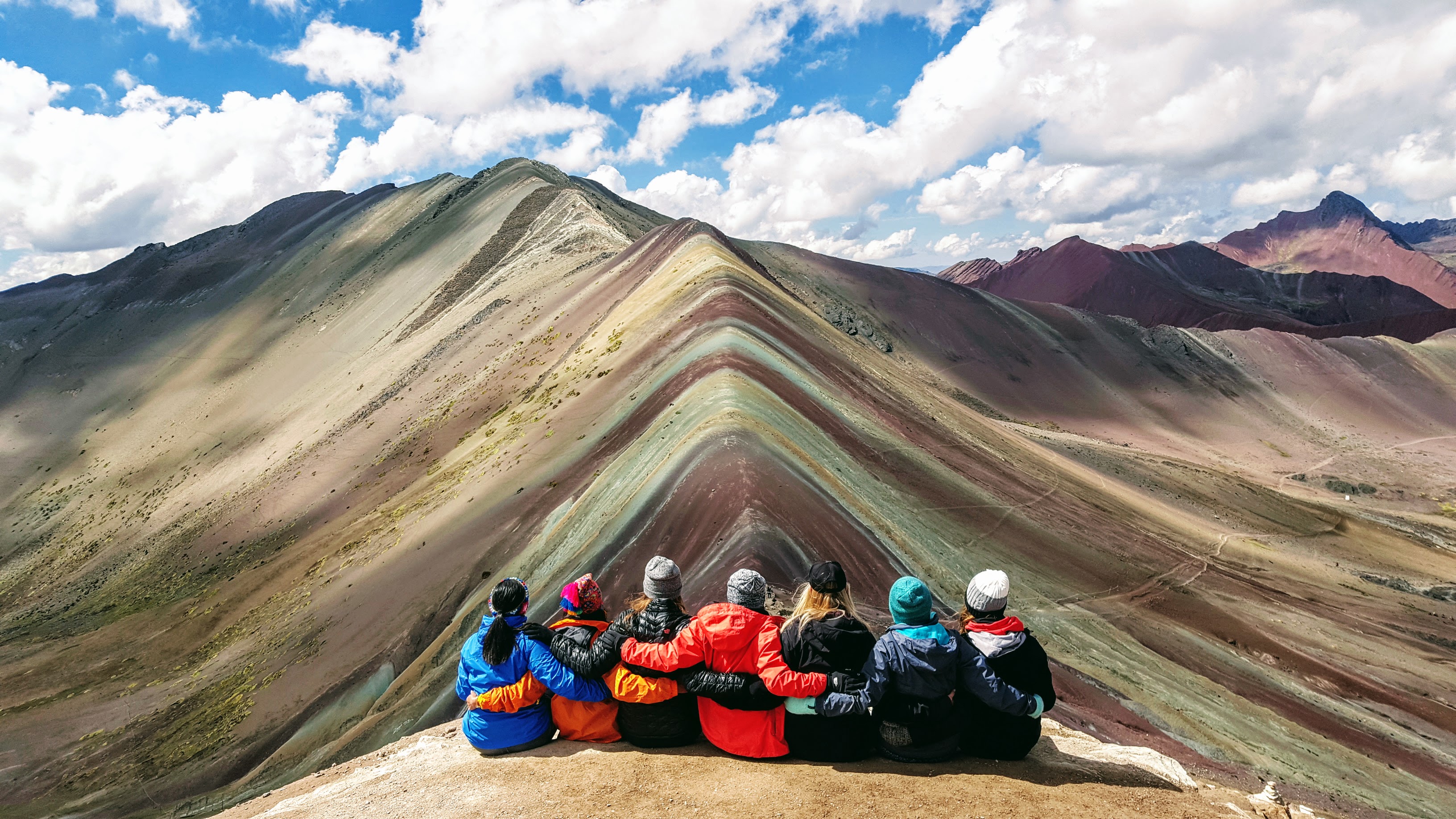
Group at Rainbow Mountain, Vinicunca, Peru

Custom Trips Peru

Custom Trips to Peru

Peru,
Your Way.

Tailor-made Peru itineraries built around you — from the heights of Machu Picchu and the Sacred Valley to the depths of Colca Canyon and the shores of Lake Titicaca, crafted with firsthand knowledge.
3,400mCusco Altitude
12 DaysTypical Itinerary
All StylesBudget to Luxury
Overview Regions Who It's For Itinerary When to Go FAQ

Why Peru

One of the world's most extraordinary journeys.

Peru is a country of extremes — in altitude, in landscape, in civilisation, and in how profoundly it affects the people who travel through it. From the Pacific coastline of Lima to the cloud forests of the Andes, from the still waters of Lake Titicaca to the jungle that begins where the mountains end, Peru rewards those who go further and stay longer — and it sits among the most rewarding destinations across our custom trips.

Machu Picchu is the draw that brings most people — and it deserves its reputation entirely. But the trip around it is what makes Peru unforgettable. The trek through Colca Canyon. Sunrise over Lake Titicaca. The quiet of the Sacred Valley. These are the moments that surprise people most.

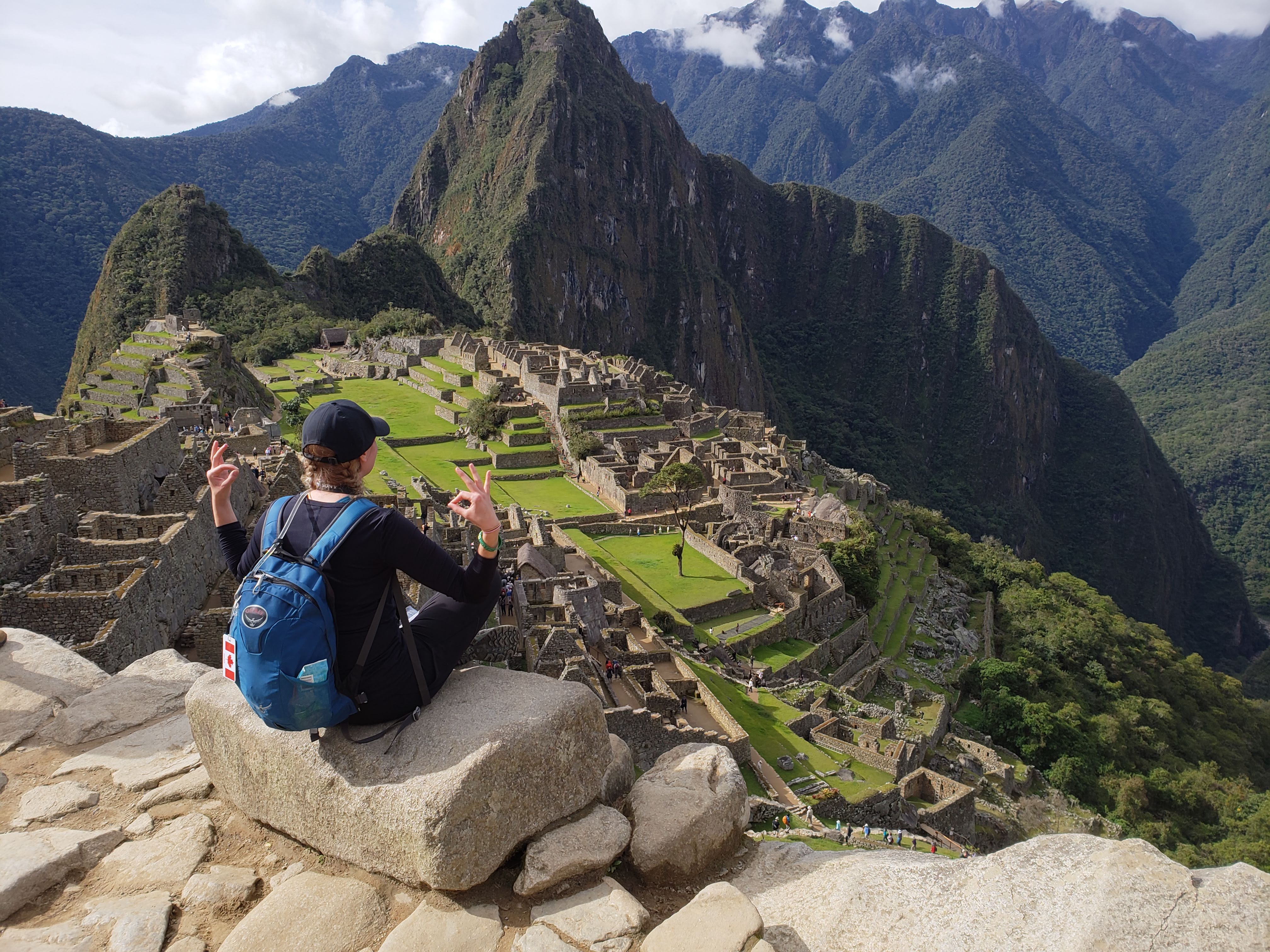
Machu Picchu, Peru
10,000+ Happy Travelers

The Country

Peru's regions, each extraordinary.

No two parts of Peru feel the same. We design your itinerary around what each region does best — so the trip flows naturally and nothing feels rushed.

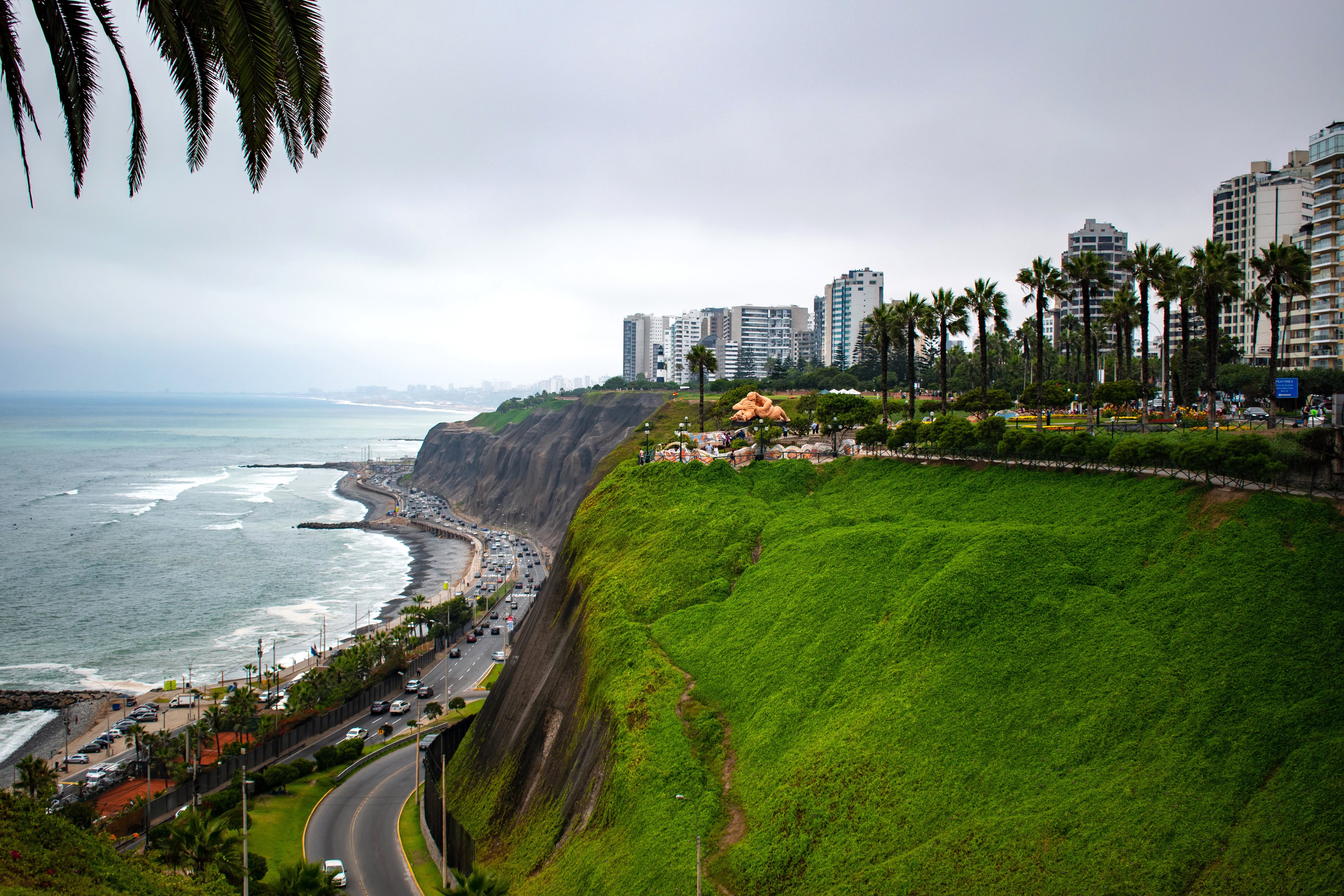
Miraflores cliffs, Lima Peru
Lima & the Coast
Peru's capital is a world-class food city — one of the great gastronomic destinations on earth. The clifftop district of Miraflores looks out over the Pacific. Barranco's art galleries and bohemian bars make for memorable evenings. Lima deserves more than a stopover; it's a genuine destination in its own right.
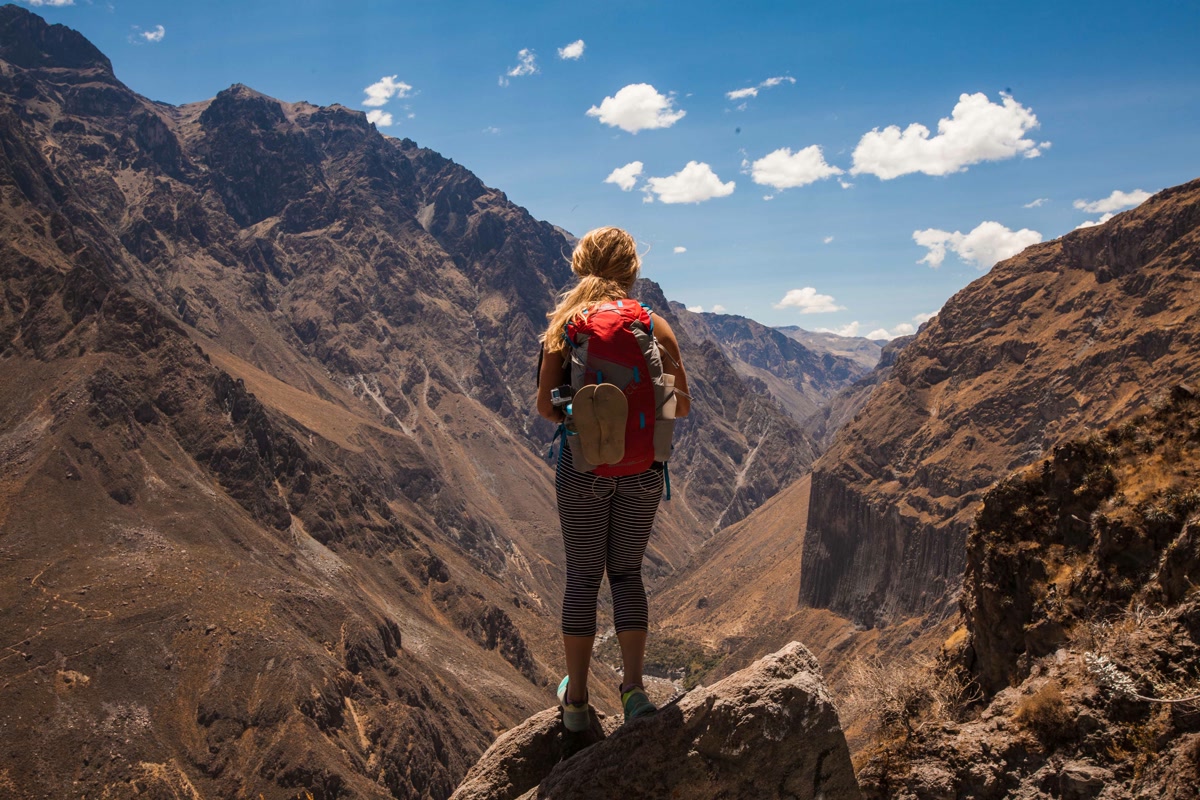
Colca Canyon, Peru
Arequipa & Colca Canyon
Peru's second city sits beneath three towering volcanoes — its colonial architecture earning it the name "the White City." From here, the road to Colca Canyon passes through the Salinas and Aguada Blanca National Reserve: herds of vicuña, flamingo-dotted lagoons, and landscapes that feel prehistoric. Colca Canyon itself is one of the deepest on earth — and the Andean condors that ride its thermals are extraordinary.
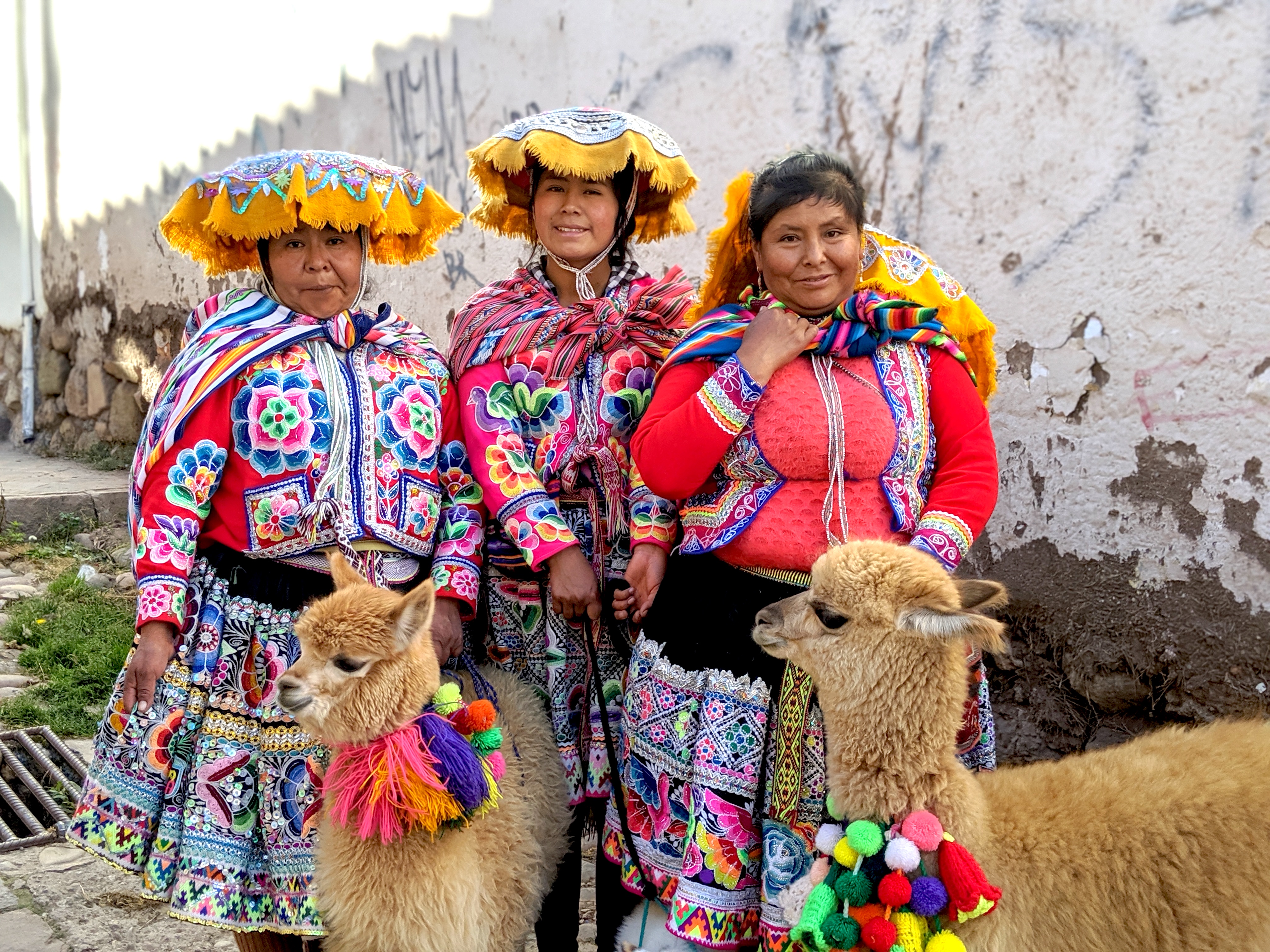
Traditional dress, Cusco Peru
Cusco, Sacred Valley & Machu Picchu
The Inca heartland. Cusco — once the navel of the world — layers Spanish colonial grandeur over Inca stonework. The Sacred Valley stretches below it: Pisac's market terraces, Ollantaytambo's fortress, and the train that descends into the cloud forest to reach Aguas Calientes. Machu Picchu, seen for the first time in early morning light, almost always stops people completely.

Who It's For

Peru works brilliantly for all kinds of travellers.

We've designed Peru trips for couples on honeymoon, families with teenagers, groups of friends, and solo adventurers. The country adapts beautifully to different paces and interests.

Couples & Honeymoons
Peru is deeply romantic — the drama of the landscapes, the intimacy of remote lodges in the Sacred Valley, a private sunrise at Machu Picchu, dinner by candlelight in a Cusco courtyard. We know which properties deliver that feeling versus just charging for it.
Adventure Seekers
The Inca Trail, the Colca Canyon trek, Rainbow Mountain, sandboarding in the dunes outside Lima — Peru rewards people who want to move. We build in the physical experiences without making the whole trip a marathon, and we know which operators do it properly.
History & Culture Lovers
Few countries carry as much history so visibly. The Inca stonework at Sacsayhuamán, the Nazca lines, the floating islands of Lake Titicaca — and Machu Picchu, which has the rare quality of exceeding its own myth. We build in the context that makes these places genuinely profound.
Food Lovers
Lima is one of the world's great food cities — Astrid y Gastón, Central, Maido — and the culinary culture runs deep into the regions. Cusco's markets, the native potato varieties of the highlands, the ceviche culture of the coast. We build food into every trip, not as an afterthought.

Sample Itinerary

12 Days in Peru — Coast to Citadel.

One night in Lima, two nights in Arequipa with a full-day excursion to the Salinas reserve, an overnight trek through Colca Canyon into Puno, then Cusco, the Sacred Valley, Rainbow Mountain, and Machu Picchu. Every itinerary we build is shaped around your pace, interests, and travel style. This is a starting point, not a template.

1
Lima
Arrive into one of the world's great food cities
Lima opens the trip at sea level — the right place to land before the altitude of the Andes. The clifftop neighbourhoods of Miraflores and Barranco offer some of the best restaurants on the continent. One evening here is enough to taste what Lima does — its ceviche culture, its pisco sours, its extraordinary produce-driven cooking — before heading south into the mountains.
LimaMirafloresCevichePisco Sour
2–3
Arequipa & Salinas
The White City, and the high plateau beyond it
Arequipa — Peru's second city — is built from gleaming white volcanic sillar stone and framed by three volcanoes. The Santa Catalina Monastery — a city within the city, hidden for centuries — is one of the great surprises of Peru. The second day ventures into the Salinas and Aguada Blanca National Reserve — herds of vicuña at 4,000 metres, flamingos gathered at high-altitude lagoons, volcanic craters and salt flats stretching to the horizon.
ArequipaSanta Catalina MonasterySalinas ReserveVicuñaFlamingos
4–5
Colca Canyon — Puno
One of the world's deepest canyons, trekked overnight
The road from Arequipa crests at over 4,900 metres before descending into the canyon. Colca is one of the deepest canyons on earth — and the Andean condors that ride its thermals at the Cruz del Condor viewpoint are genuinely extraordinary. Day four descends into the canyon on foot, dropping to the oasis of Sangalle at the bottom: a cluster of pools and palm trees thousands of metres below the rim, where the world goes quiet.
Colca CanyonCondorsCanyon TrekSangalle Oasis
6–7
Puno & Lake Titicaca
The highest navigable lake on earth
Puno sits at the edge of Lake Titicaca at 3,800 metres: the highest navigable lake on earth, its surface so flat and so enormous it seems more like an inland sea than a mountain lake. A day out on the water visits the Uros floating islands, built entirely from totora reeds — and Taquile Island, where the textile traditions have been recognised by UNESCO. The light on Titicaca at late afternoon is something particular.
Lake TiticacaUros IslandsTaquileAltiplano
8–9
Cusco
The former capital of the Inca Empire
Cusco arrives by flight from Juliaca — and at 3,400 metres, altitude still matters. We build in time to acclimatise properly. The city rewards it. The historic centre layers Spanish baroque churches over Inca stonework. Sacsayhuamán sits above the city. The markets and the side streets and the restaurants in old colonial courtyards — Cusco is a city worth being slow in.
CuscoPlaza de ArmasSacsayhuamánSan Pedro Market
10
Sacred Valley
The garden of the Inca
The Sacred Valley lies below Cusco — lower in altitude, warmer, more fertile. The Urubamba River runs through it, flanked by Inca terraces that cascade down mountainsides. Pisac's market and ruins, the fortress at Ollantaytambo — one of the most dramatic Inca sites still occupied — and the valley's quieter corners all reward time.
Sacred ValleyPisacOllantaytamboInca Terraces
11
Rainbow Mountain
Vinicunca — the mountain that has no parallel
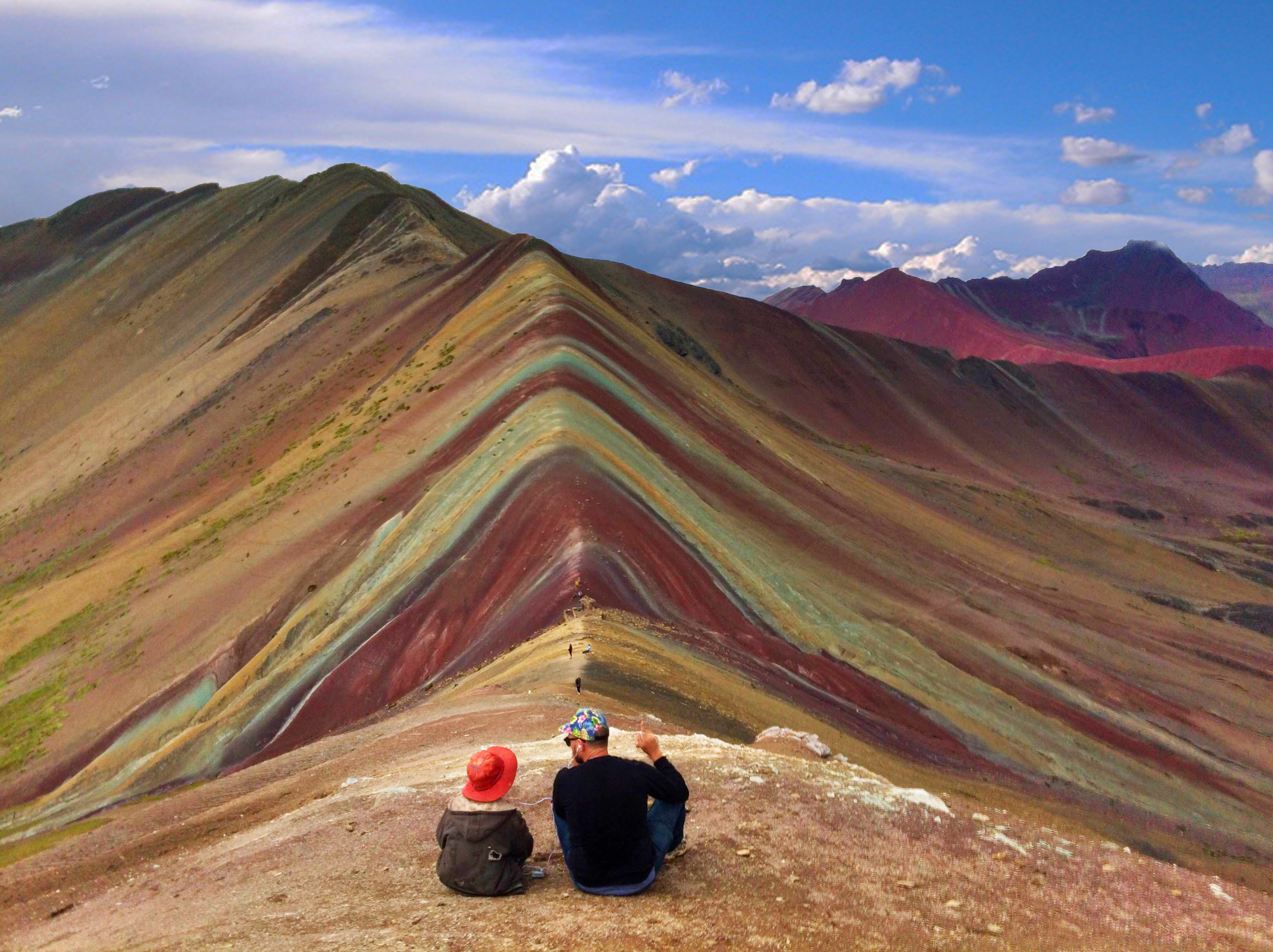
An early start from Cusco for Rainbow Mountain — Vinicunca — at 5,200 metres. The coloured mineral stripes of the ridge were hidden under ice and snow until recently, and its emergence has made it one of the most dramatic high-altitude landscapes in the Andes. We go early, before the crowds arrive, and come back to Cusco for a final evening.
Rainbow MountainVinicuncaHigh AltitudeAndes
12
Aguas Calientes & Machu Picchu
The ending the whole trip has been building toward
The train from Ollantaytambo descends into the cloud forest — the air warming, the vegetation thickening, the world changing completely from the highlands above. An overnight in Aguas Calientes: up early the following morning before the day visitors arrive, the bus climbing through mist, and then Machu Picchu appearing from the clouds. It almost always stops people. The scale of it, the setting, the silence in those first quiet minutes — these are things that photographs don't prepare you for.
Aguas CalientesMachu PicchuCloud ForestSunrise

The specific guides, lodges, restaurants, trains, and moments that make each of these days what they are — that's what we bring. This is the shape of the trip; what fills it is what we build together when you reach out.

And some of our favourite places in Peru aren't on this page at all. The lodges in the Sacred Valley that most people never find. The viewpoints above Machu Picchu that most visitors miss. Ask us about them.

When to Visit

Peru has a clear dry season — and it's worth planning around.

The Andes have two distinct seasons. May through October is dry season — clear skies, crisp air, and the landscapes at their most vivid. November through April is wet season, with frequent afternoon rain and occasional trail closures.

Jan
Wet
Feb
Wet
Mar
Wet
Apr
Good
May
Peak
Jun
Peak
Jul
Peak
Aug
Peak
Sep
Peak
Oct
Good
Nov
Mixed
Dec
Wet
Peak dry season
Good conditions
Wet / transitional
Dry Season (May–Oct)
The best time to visit. Clear skies across the Andes, reliable hiking conditions, and Machu Picchu at its most photogenic. June–August is peak season — book Inca Trail permits and train tickets well in advance.
Shoulder Season (Apr & Oct)
Our favourite months. The crowds thin, prices drop, and the landscapes are still excellent. April in particular can be stunning — the wet season ending leaves everything intensely green.
Wet Season (Nov–Mar)
Rain is frequent but rarely all-day. Machu Picchu is open year-round and often beautifully misty in the wet season. The Inca Trail closes in February for maintenance. Fewer visitors and lower prices.
Rainbow Mountain, Peru
Why Free & Easy?

Far more than
a travel agent.

Altitude Expertise

Altitude sickness is real at 3,400–5,200 metres and it can derail an entire trip. We build acclimatisation into every Peru itinerary — the right sequence of stops, the right pace, the right advice before you go. Our clients arrive prepared.

Inca Trail & Train Logistics

Inca Trail permits sell out months in advance. Train tickets to Aguas Calientes require booking. Machu Picchu itself has timed entry slots. We handle all of this — so you don't have to navigate Peru's complicated booking systems from home.

Real Local Connections

Our guides in Peru are people we've worked with for years — experts in Inca history, in the Andean ecosystem, in the quiet corners of Cusco and the Sacred Valley that most visitors never reach. The difference is real.

Always With You

Our team is reachable via WhatsApp throughout your trip. Train delayed? Weather closed a trail? We sort it before you've had time to worry about it — so you can stay focused on the experience.

What Travellers Say

Peru trips they'll talk about forever.

Being in our 40s, we do not travel the way 20-year-olds do. It was so great to be able to trust Free & Easy to look after all the details. No matter where we were, we were just a quick message away from any help. On a scale from one to ten, we give them fifteen!

Tammy & Robert Bell · 2026

Curtis and Andreas took the time to learn about our objectives and used their experience to make discerning recommendations. During a flight cancellation, Andreas had already researched alternatives and re-booked us before I could even read the email. It was such a relief to know we were not alone.

Leah Rae · 2024

Common Questions

Everything you need to know.

Twelve days is the sweet spot for a first visit that covers Lima, the southern highlands, and Machu Picchu without feeling rushed. Ten days is possible if you focus on Cusco and the surrounding region. We don't recommend fewer than ten days — the altitude adjustment alone takes time, and Peru rewards those who move slowly through it.
May through October is Peru's dry season — the most reliable time to visit, with clear skies across the Andes and excellent hiking conditions. June, July, and August are peak season: busier and more expensive, but the weather is at its most dependable. April and September–October are our favourite shoulder months — still excellent conditions, fewer crowds, and lower prices. The wet season brings rain but also fewer visitors and lush green landscapes. Machu Picchu is open year-round; the Inca Trail closes in February.
Altitude sickness (soroche) is a real consideration in Peru — Cusco sits at 3,400 metres and Rainbow Mountain reaches 5,200 metres. We build your itinerary to acclimatise gradually and provide detailed advice before you go. Diamox (acetazolamide) is available on prescription and can help significantly. Staying well-hydrated, avoiding alcohol your first night, and not rushing the first day all make a meaningful difference.
Yes — and well in advance for the Inca Trail. Classic Inca Trail permits are limited to 500 people per day and sell out months ahead during peak season. Machu Picchu itself requires timed entry tickets, which also sell out, especially for the popular early morning slots. The train to Aguas Calientes should also be booked early. We handle all of this as part of planning your trip.
Peru's main tourist regions — Lima's Miraflores and Barranco districts, Cusco, the Sacred Valley, Arequipa, Puno — are well-established travel destinations and generally safe. Standard precautions apply. We brief every client before their trip on the specific things worth knowing, and we're reachable throughout your journey if anything comes up.
Peru spans a wide range depending on how you travel. Budget travellers can cover the essentials comfortably; mid-range trips deliver excellent lodges, private guides, and the right experiences; luxury Peru is genuinely extraordinary. The cost of a custom trip with us depends on the number of people travelling, the length of the journey, and the style of accommodation and experiences you're after. Flexible payment plans are also available — just ask. For a full breakdown of day-to-day costs, see our Peru Spending Money Guide.

Let's Start Planning

Ready for your
Peru trip?

Tell us about your vision and we'll build an itinerary around it. Or just reach out — we're always happy to talk it through first.

Flexible payment plans available — just ask.

Fill Out the Form travel@fnez.com

More Destinations We Know Deeply