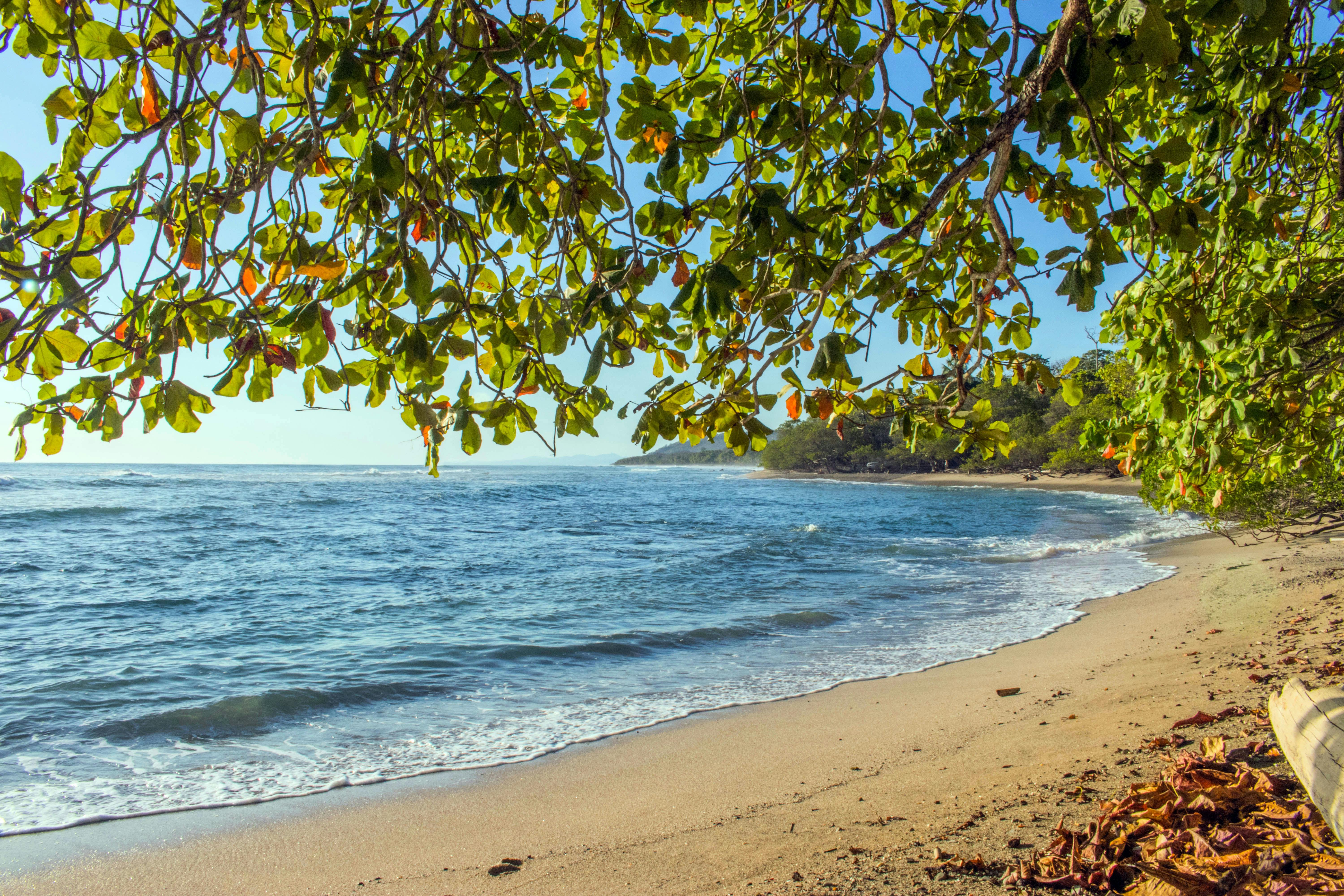
Santa Teresa beach, Costa Rica

Custom Trips Costa Rica

Custom Trips to Costa Rica

Costa Rica,
Your Way.

Tailor-made Costa Rica itineraries built around you — from the surf breaks and Pacific sunsets of Tamarindo and Santa Teresa through the cloud forest trails of Monteverde, to the Afro-Caribbean rhythms and jungle beaches of Puerto Viejo.

Pacific to CaribbeanOne Remarkable Route
10 DaysSweet Spot
All StylesBudget to Luxury
Overview Regions The Stops Who It's For Itinerary When to Go FAQ

Why Costa Rica

The original pura vida — extraordinary nature, two coasts, and a pace entirely its own.

Costa Rica has been drawing travellers for decades and has retained what makes it worth drawing them — extraordinary biodiversity, two completely different coastlines, a cloud forest that exists nowhere else quite like this, and a culture that genuinely operates at a different pace. A well-designed Costa Rica itinerary moves through the full range of what the country offers: the surf culture and Pacific sunsets of Tamarindo, the raw beauty and community energy of Santa Teresa, the cloud forest trails and canopy zip lines of Monteverde, and finally the Afro-Caribbean character and jungle-fringed beaches of Puerto Viejo on the Atlantic coast.

We've been designing custom trips through Costa Rica long enough to know which surf break at Tamarindo suits beginners, which trail in Monteverde gives the best chance of spotting the resplendent quetzal at dawn, and which beach south of Puerto Viejo is worth the extra twenty minutes to reach. The country rewards those who know where to look.

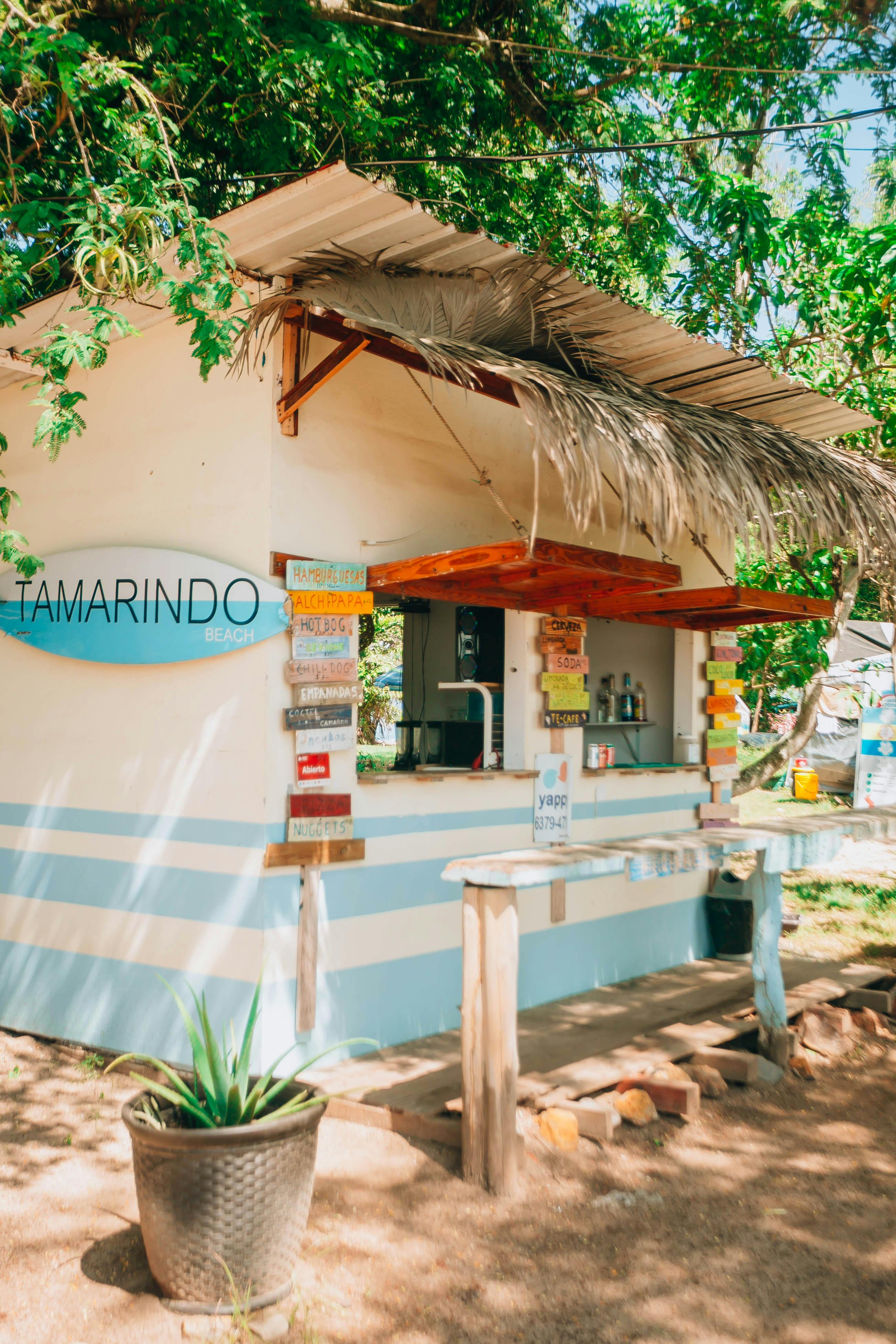
Tamarindo beach, Costa Rica
4 Stops Pacific to Caribbean

The Country

Three distinct worlds — Pacific coast, cloud forest highlands, and the Caribbean.

Costa Rica packs an extraordinary range of landscapes and ecosystems into a country smaller than most European nations. Moving through the Pacific coast, the cloud forest interior, and the Caribbean coast on a single trip captures the full character of the country — and the contrast between the three makes each stop feel more vivid than the last.

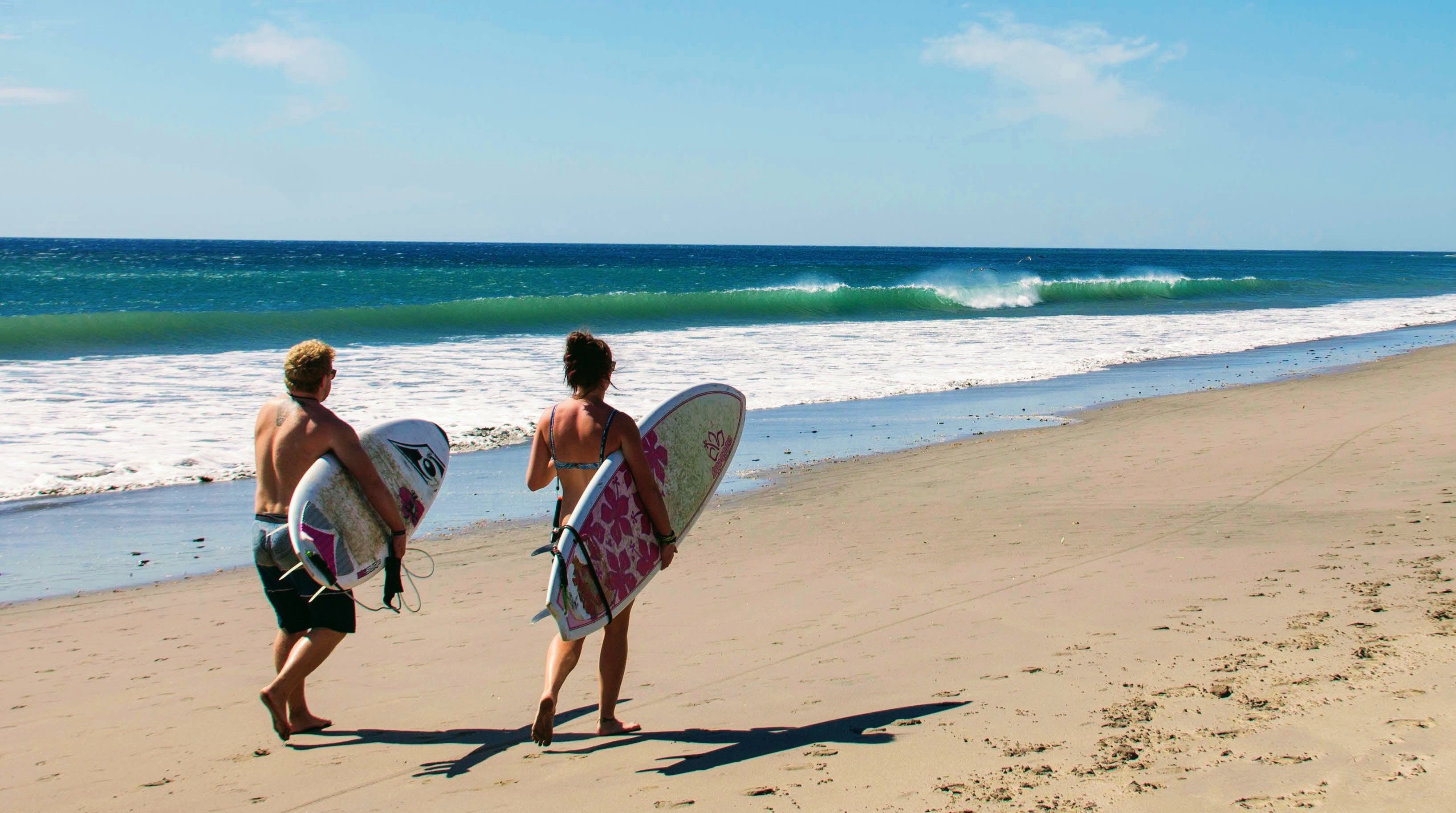
Surfing on the Pacific coast, Costa Rica
The Pacific Coast
Tamarindo and Santa Teresa sit on Costa Rica's Pacific coast — a stretch of surfing beaches, sunset towns, and jungle-backed coves that has developed its own distinct character over the past two decades. Tamarindo is the social hub of the northern Nicoya Peninsula: a beach town with consistent surf, a lively restaurant scene, and an easy energy that makes it a natural first stop. Santa Teresa, further south on the peninsula, is rawer and more genuine — a single dirt road running along the coast between surf breaks, yoga studios, and some of the finest small restaurants in the country. Together they capture the best of the Pacific.
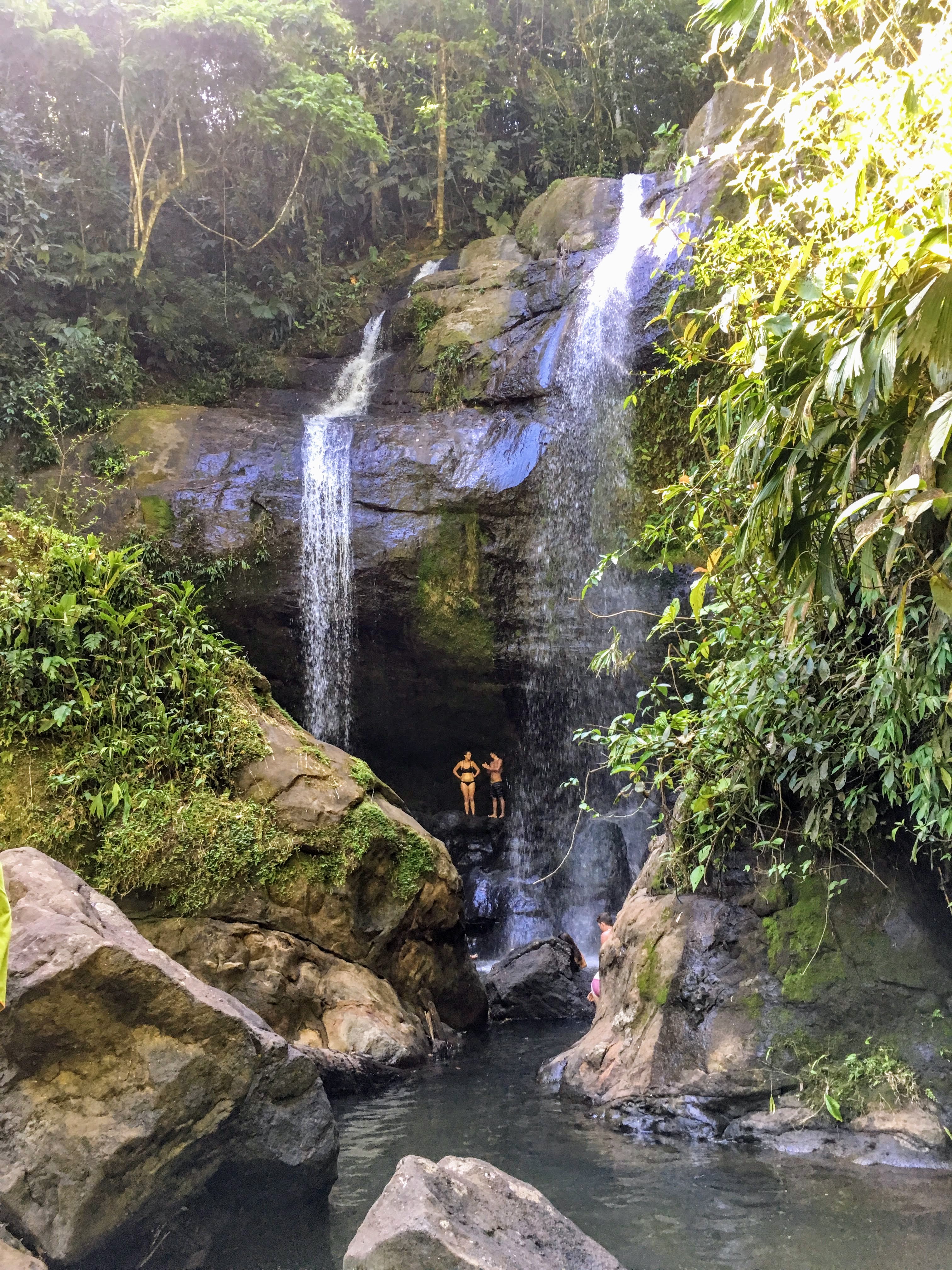
Waterfall in the Costa Rica cloud forest
The Cloud Forest
Monteverde sits at 1,440 metres in the Tilarán mountain range and exists in a perpetual state of cloud — a microclimate that supports one of the most biodiverse ecosystems on earth. The Monteverde Cloud Forest Reserve and the Santa Elena Reserve together protect some 30,000 acres of primary and secondary cloud forest, home to the resplendent quetzal, howler and white-faced capuchin monkeys, over 400 bird species, and an extraordinary density of reptiles, amphibians, and orchids. The zip line above the canopy is the finest in Central America. Two nights gives you the cloud forest properly.
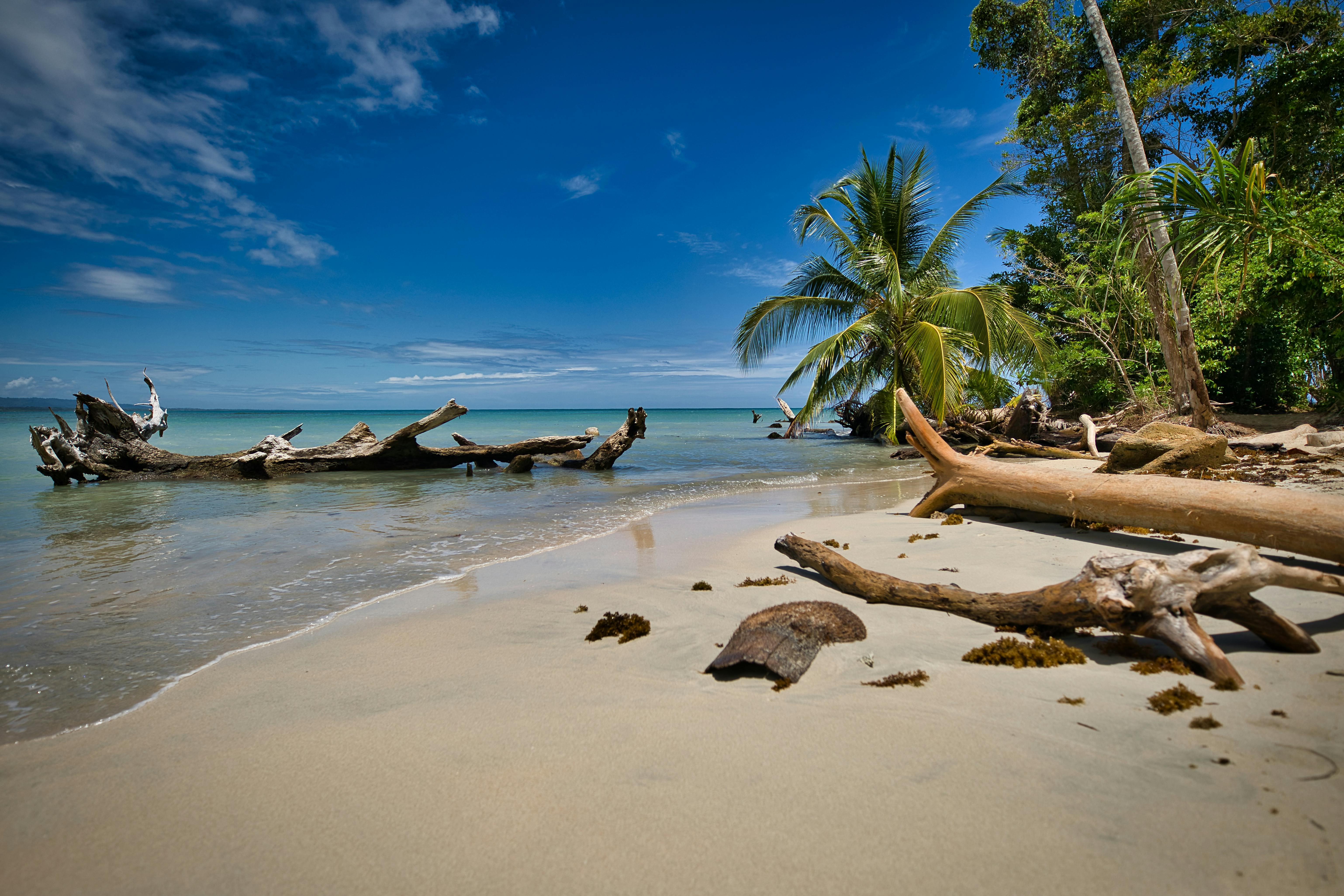
Puerto Viejo, Caribbean coast, Costa Rica
The Caribbean Coast
Puerto Viejo de Talamanca sits on Costa Rica's Caribbean coast and has a character completely removed from the Pacific side — Afro-Caribbean culture, Rastafarian influences, reggae, fresh coconut, spiced rice and beans, and a pace of life that the Pacific coast occasionally aspires to but rarely achieves. The beaches south of town — Playa Cocles, Playa Chiquita, Punta Uva — stretch through jungle-backed coves of extraordinary beauty. The Gandoca-Manzanillo Wildlife Refuge to the south, and the Jaguar Rescue Center just outside town, give the Caribbean stop a genuine wildlife dimension alongside the beaches.
The Stops

Four places, each doing something the others can't.

This itinerary moves from the Pacific coast through the cloud forest and across to the Caribbean — a route that captures Costa Rica's full character in ten days without anything feeling rushed.

Tamarindo
Pacific Surf · Sunsets · Estero · Leatherback Turtles
Tamarindo is Costa Rica's most established surf and beach town on the Pacific — a horseshoe bay with consistent beach breaks suitable for all levels, a waterfront that comes alive in the evening, and the kind of easy energy that makes it a natural introduction to the country. The estuary at the northern end of the beach is home to crocodiles, howler monkeys in the trees above, and excellent birding at dawn. The Playa Grande turtle nesting beach is a short boat crossing from town and from November to March is one of the finest leatherback turtle nesting experiences in the world. Two nights in Tamarindo orients you in Costa Rica and sets the pace for everything that follows.
Santa Teresa
World-Class Surf · Yoga · Jungle · Cabo Blanco Reserve
Santa Teresa is the Costa Rica that people come back for. A single dirt road running along the Nicoya Peninsula's southern tip, flanked by surf breaks on one side and dense jungle on the other, with a collection of restaurants, yoga studios, and small hotels that consistently punch above their weight. The surf here — Playa Carmen, Playa Santa Teresa, Playa Hermosa — is among the most consistent on the Pacific coast and works for all levels, though it is also where experienced surfers find the barrels that Tamarindo's beach break can't offer. Away from the beach, the Cabo Blanco Absolute Nature Reserve at the tip of the peninsula is Costa Rica's first protected area and one of its finest — howler monkeys, white-faced capuchins, coatis, and an extraordinary variety of bird life in primary forest that reaches almost to the water's edge. Three nights in Santa Teresa is enough to feel its character properly rather than simply passing through.
Monteverde
Cloud Forest · Resplendent Quetzal · Zip Line · Night Walk
Monteverde is the stop that surprises most first-time visitors to Costa Rica and becomes the one they mention most consistently when they return home. The cloud forest — perpetually mist-draped, extraordinarily biodiverse, genuinely otherworldly in atmosphere — is unlike any landscape most travellers have encountered before. The Monteverde Cloud Forest Reserve and the adjacent Santa Elena Reserve offer walking trails of varying difficulty through primary and secondary forest where the density of wildlife — birds, monkeys, reptiles, insects — is staggering even by Central American standards. The resplendent quetzal, one of the most visually extraordinary birds on earth, nests in the cloud forest from January to July and is reliably spotted on the early morning trails with a knowledgeable guide. The zip line above the canopy — the original and still the best in Costa Rica — covers 3.5 kilometres of line across thirteen platforms and gives a perspective on the cloud forest that the trails below can't match. The night walk, guided by local naturalists, reveals a completely different forest — tree frogs, sleeping birds, stick insects, and the occasional sloth — that the daytime visitor entirely misses. Two nights in Monteverde gives you the full range of what it offers.
Puerto Viejo
Caribbean Beaches · Punta Uva · Jaguar Rescue · Gandoca-Manzanillo
Puerto Viejo de Talamanca is where Costa Rica trips end well. The Caribbean coast has a character entirely different from the Pacific — slower, more musical, more genuinely local in feel, and with a food tradition (rice and beans cooked in coconut milk, fresh lobster, pan bon bread) that is distinct from anything on the Pacific side. The beaches south of town are the finest on this itinerary: Playa Cocles has the longest stretch of white sand and consistent surf; Playa Chiquita is quieter and backed by dense jungle; Punta Uva, reached by bicycle along the coastal road, is one of the most beautiful small beaches in Central America — a curved bay of turquoise water with almost no one on it at any time of year. The Jaguar Rescue Center just outside town rehabilitates injured and orphaned wildlife and offers morning tours that bring you within arm's reach of sloths, monkeys, toucans, and — when rehabilitation allows — jaguars. The Gandoca-Manzanillo Wildlife Refuge to the south is where the rainforest meets the Caribbean Sea in a stretch of protected coastline that sees almost no visitors. Three nights in Puerto Viejo gives you all of this at the right pace.

Who It's For

Costa Rica works for adventurers, nature lovers, and families — when the route is designed well.

We've designed Costa Rica trips for couples, honeymooners, families with children, solo travellers, surf enthusiasts, wildlife photographers, and people looking for the adventure holiday that doesn't require a high tolerance for discomfort. The Pacific-to-Caribbean route works across a wide range of travel styles.

Adventure Seekers
Costa Rica invented the adventure travel industry and still does it better than almost anywhere else on earth. Surfing the Pacific breaks at Santa Teresa. Zip lining above the Monteverde cloud forest canopy at 70 kilometres per hour. Snorkelling the coral reef at Gandoca-Manzanillo. White water rafting on the Pacuare (easily added to this itinerary). Night walking in a cloud forest by torchlight with a naturalist guide. The country has a physical energy that makes it exceptional for active travellers who want the adventure built into the itinerary from the beginning.
Wildlife & Nature Lovers
Costa Rica contains approximately 5% of the world's biodiversity in a country covering 0.03% of the earth's surface. The wildlife encounters on this itinerary are not incidental — they are the itinerary. Leatherback turtles nesting at Playa Grande. Howler monkeys in the Tamarindo estuary. Resplendent quetzals in the Monteverde cloud forest. Sloths, toucans, and spider monkeys in the Cabo Blanco Reserve. Three-toed sloths and poison dart frogs along the Puerto Viejo coastal road. For wildlife photographers and serious naturalists, this itinerary is among the best ten-day routes we design anywhere in the world.
Couples & Honeymoons
Costa Rica has a natural romance that comes from its wildness — the sunset over the Pacific from Santa Teresa, the extraordinary quiet of Punta Uva on the Caribbean coast, a private cloud forest walk at dawn before the day-trippers arrive, dinner at a candlelit restaurant in Puerto Viejo with the sound of the Caribbean outside. We know which small hotels and lodges create that atmosphere genuinely and design around them. Costa Rica is one of the finest honeymoon destinations in the Americas for couples who want the adventure alongside the romance.
Families with Children
Costa Rica is exceptional for families with children — the wildlife encounters are genuinely thrilling for any age, the beaches are safe and warm, and the country's emphasis on nature and conservation gives children a context for the experiences that is genuinely educational rather than incidentally so. The Jaguar Rescue Center in Puerto Viejo, the Monteverde cloud forest night walk, the turtle nesting experience at Playa Grande, and the zip line above the canopy are all experiences that remain with children long after the trip is over. We design family Costa Rica itineraries with pace and energy in mind.
Surfers
Costa Rica is one of the finest surfing destinations in the Americas — warm water year-round, consistent swells on both coasts, breaks for every level, and enough variety to keep experienced surfers interested for weeks. Tamarindo's beach break is the ideal introduction for beginners; Santa Teresa's reef breaks and beach breaks offer the quality that brings intermediate and advanced surfers back repeatedly. Playa Hermosa south of Santa Teresa is where the serious waves are. We design around the surf — timing the itinerary around the best swell conditions and ensuring you're staying within reach of the breaks that match your level.
Yoga & Wellness
Santa Teresa has become one of the world's finest yoga destinations — the combination of world-class surf, exceptional food, warm weather, and a community of practitioners that has built up over two decades creates an environment for the practice that few places match. The cloud forest at Monteverde adds a meditative counterpoint — the mist, the silence, the extraordinary natural density of the forest. Puerto Viejo's Caribbean pace rounds the trip out. For travellers who want a trip that is genuinely restorative as well as adventurous, this route works particularly well.

Sample Itinerary

10 Days in Costa Rica — Pacific Coast to the Caribbean.

This itinerary moves from the Pacific coast through the cloud forest highlands and across to the Caribbean — two nights in Tamarindo, three in Santa Teresa, two in Monteverde, and three in Puerto Viejo. Every itinerary we build is shaped around your pace and interests. This is a starting point.

1–2
Tamarindo
Two days on the Pacific — surf, estuary, and the first Costa Rica sunset
Tamarindo is a natural first stop — a beach town with enough infrastructure to make arrival easy and enough character to feel genuinely Costa Rican. The bay's beach break is the ideal introduction to Pacific surfing: consistent, forgiving on the inside, and served by surf schools that can get most people standing by the end of a morning lesson. The estuary at the bay's northern end is where the wildlife encounters begin in earnest — crocodiles in the water, howler monkeys in the trees above, ospreys and kingfishers along the bank, and the transition from the ocean to the mangroves that defines this particular stretch of Pacific coast. The sunset from the beach at Tamarindo, watched from a table at one of the waterfront restaurants with a cold Imperial beer, is a genuinely good way to arrive in Costa Rica. From November to March, the Playa Grande turtle nesting beach across the estuary is one of the finest leatherback turtle experiences in the world — a night excursion guided by local conservationists that most people describe as one of the most extraordinary wildlife encounters of their lives.
Pacific SurfEstuary WildlifeTurtle Nesting (Nov–Mar)Pacific Sunsets
3–5
Santa Teresa
Three days at Costa Rica's finest surf town — raw, beautiful, and genuinely itself
Santa Teresa has a character that is genuinely difficult to describe before you arrive and immediately obvious once you're there. The single dirt road that runs along the Nicoya Peninsula's southern tip — Calle Principal — is the spine of the community: surf shops, yoga studios, juice bars, and restaurants that would not be out of place in any major city, interspersed with the small hotels and cabinas that have been here since before the road was paved (which it still mostly isn't). The surf is what brings most people and is what keeps them: Playa Santa Teresa and Playa Carmen on either side of the main break offer conditions for all levels throughout the day, and Playa Hermosa to the north has the more powerful reef break that experienced surfers come specifically for. Away from the surf, the Cabo Blanco Absolute Nature Reserve at the tip of the peninsula — Costa Rica's first and arguably finest protected area — offers primary forest trails through one of the country's most intact ecosystems, with howler monkeys overhead, white-faced capuchins in the trees, and the kind of birding that justifies a morning's walk even for those who don't consider themselves birders. The food in Santa Teresa has developed beyond what the town's size would suggest — fresh ceviche, excellent sushi (the Pacific tuna is extraordinary), wood-fired pizza, and the kind of dinner that surprises people who came expecting surf-town basics. Three nights gives you the surf, the reserve, and enough time to stop rushing.
World-Class SurfCabo Blanco ReserveYoga & WellnessPacific Dining
6–7
Monteverde
Two days in the cloud forest — one of the most extraordinary ecosystems on earth
Monteverde sits at 1,440 metres above sea level and exists in a perpetual mist — a cloud forest that has been accumulating its extraordinary biodiversity for centuries without significant human disturbance. The Monteverde Cloud Forest Reserve offers walking trails of varying difficulty through primary forest where the density of life is staggering: orchids growing on every surface, tree frogs in the leaf litter, resplendent quetzals in the canopy, howler monkeys in the treetops, and more species of bird visible from a single observation platform than in an entire week of birding in temperate climates. The early morning trail walk with a naturalist guide — before the day-trippers arrive from San José — is the essential Monteverde experience: the forest in the mist, the sound of the quetzal's call, the particular quality of light that only exists in a cloud forest at dawn. The zip line above the canopy gives a completely different perspective on the same forest: 3.5 kilometres of line across thirteen platforms, moving through the cloud at speed in a way that makes you understand the scale of what's being protected. The night walk — guided by local naturalists with torches through the Santa Elena Reserve — reveals the cloud forest's nocturnal character: sleeping birds, hunting tree frogs, stick insects of extraordinary size, and the occasional kinkajou moving through the branches overhead. Two nights in Monteverde gives you both the daytime and the nocturnal forest.
Cloud Forest ReserveResplendent QuetzalCanopy Zip LineNight Walk
8–10
Puerto Viejo
Three days on the Caribbean — Afro-Caribbean culture, jungle beaches, and the pace that makes leaving difficult
Puerto Viejo de Talamanca is where this trip ends — and where most people wish it didn't. The Caribbean coast of Costa Rica has a character completely different from everything that precedes it on this itinerary: Afro-Caribbean culture shaped by the Jamaican workers who built the railway in the nineteenth century, a food tradition of rice and beans cooked in coconut milk and fresh Caribbean lobster, a soundscape of reggae and the Atlantic surf, and a pace that makes the word unhurried feel like an overstatement. The beaches south of town are the finest on this itinerary. Playa Cocles has the longest stretch of white sand and a consistent beach break; Playa Chiquita is quieter, fringed with jungle, and has the kind of beauty that makes people put their phones away; Punta Uva, reached by bicycle along the coastal road through primary forest, is a curved bay of turquoise water with almost no development and almost no one on it. The Jaguar Rescue Center just outside town rehabilitates injured and orphaned wildlife and offers morning tours that bring visitors within close range of sloths, spider monkeys, toucans, and — in season — jaguars being prepared for release. The Gandoca-Manzanillo Wildlife Refuge to the south is where the rainforest meets the Caribbean in a stretch of protected coastline that sees almost no visitors and contains some of the most intact coral reef remaining on Costa Rica's Caribbean coast. Three nights in Puerto Viejo allows all of this to happen without anything feeling rushed — which is, in the end, what pura vida means.
Punta Uva & Playa CoclesJaguar Rescue CenterGandoca-ManzanilloCaribbean Culture

Costa Rica rewards those who build in time for the unexpected — the sloth in the tree outside the hotel, the turtle that comes ashore at midnight, the quetzal that appears on the trail at dawn. The itinerary we build is a structure, not a schedule. Logistics — transfers, activities, accommodation — are handled entirely by us. You travel, we take care of the rest.

When to Visit

Costa Rica's dry season is the sweet spot — December to April for the Pacific coast.

The timing matters on this itinerary because the Pacific coast and the Caribbean coast follow different weather patterns. December to April is the dry season on the Pacific — the ideal window for Tamarindo and Santa Teresa. The Caribbean coast has its own rhythms: Puerto Viejo is driest in February–April and September–October. Monteverde's cloud forest is visited year-round.

Jan
Peak
Feb
Peak
Mar
Peak
Apr
Peak
May
Green
Jun
Green
Jul
Good
Aug
Green
Sep
Good
Oct
Green
Nov
Good
Dec
Peak
Peak — dry season, best conditions
Good — some rain, lush and green
Green season — rainy afternoons
Dec – Apr: The Dry Season
The finest window for the Pacific coast — Tamarindo and Santa Teresa are at their most accessible, the surf is most consistent, and the roads are dry. December and January bring turtle nesting season at Playa Grande (leatherbacks, the largest turtle species on earth). February to April is also the driest window on the Caribbean, making it the ideal time for the full Pacific-to-Caribbean route. This is the window we recommend for a first visit to Costa Rica.
Green Season: May – Nov
Costa Rica's green season brings afternoon rains to the Pacific coast that typically clear by evening — the mornings are often stunning, the forest is extraordinarily lush, and the prices are significantly lower. July and September have brief dry spells (veranillo) that can be excellent on the Pacific. The Caribbean coast actually has its driest period in September and October, making the green season an interesting time for the Puerto Viejo end of the trip. Many experienced travellers specifically choose the green season for the reduced crowds and the extraordinary colour of the landscape.
Monteverde: Year-Round
Monteverde's cloud forest is visited year-round because the mist and the wildlife it supports are the point — the cloud forest is at its most atmospheric in the wet season, when the forest drips and the visibility varies by the hour. The dry season brings slightly clearer views and easier trail conditions, but the wildlife encounters are exceptional at any time of year. The resplendent quetzal is most reliably spotted from January to July during nesting season. We adjust the Monteverde timing within the broader itinerary based on when you're travelling.
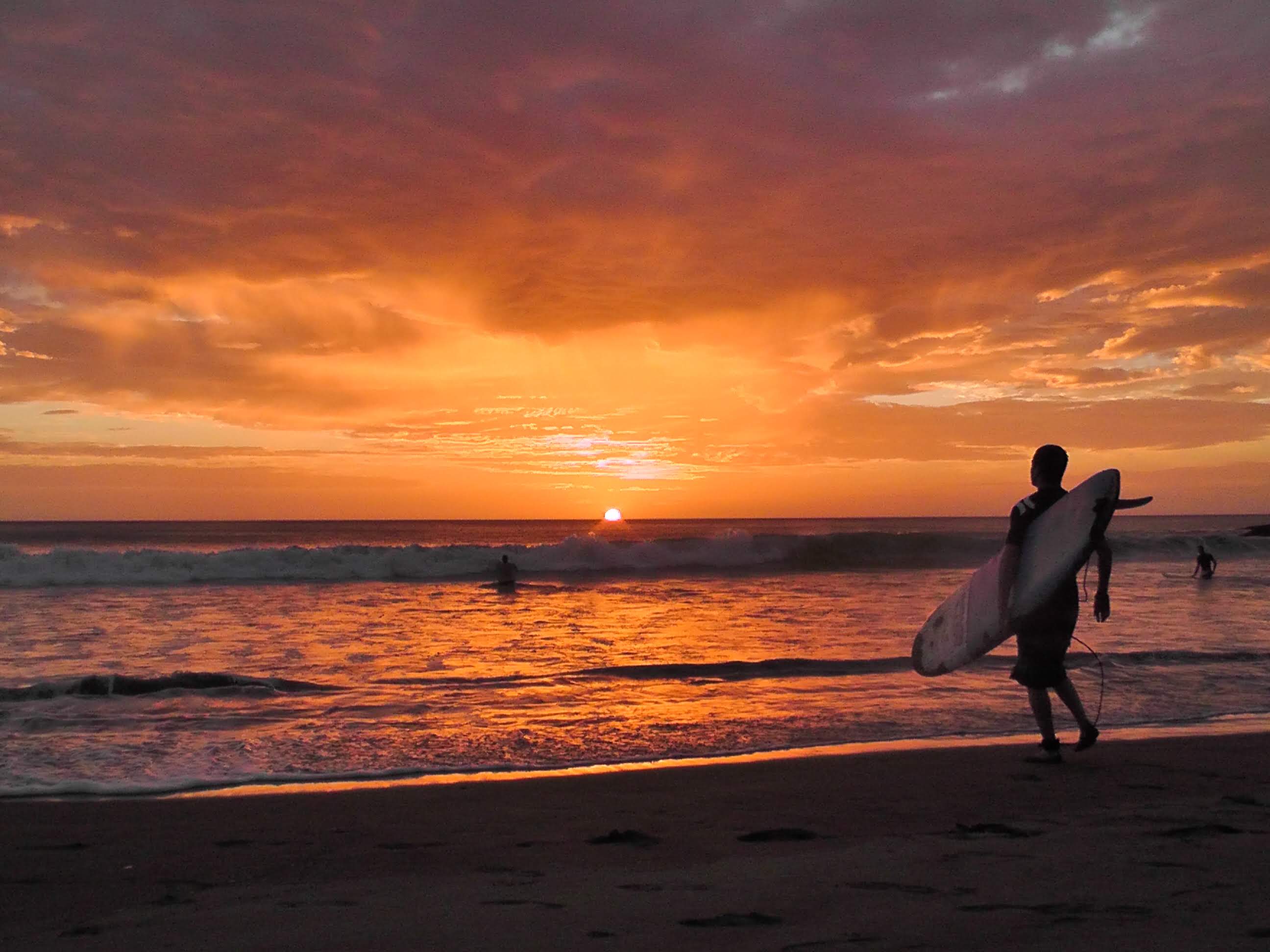
Sunset surf, Costa Rica
Our Costa Rica Expertise

We know Costa Rica beyond the obvious stops.

Santa Teresa Over Manuel Antonio

Manuel Antonio is Costa Rica's most visited national park and has the crowds to prove it. Santa Teresa has retained the character that Manuel Antonio had before the tour buses arrived — a genuine surf community, exceptional small restaurants, and a beauty that doesn't require sharing with a hundred other visitors on the trail. We know which part of this itinerary to adjust based on your interests and exactly how to get the best from the three nights on the Nicoya Peninsula.

Monteverde at Dawn

The difference between visiting Monteverde with a day-trip tour group and arriving the night before, walking the trail at dawn with a specialist guide before the reserve opens to day visitors, is the difference between seeing a cloud forest and experiencing one. We build the Monteverde nights into the itinerary specifically to give you that early morning access — and the quetzal sightings that come with it.

The Right Caribbean Beaches

Puerto Viejo's finest beaches — Punta Uva in particular — are not the ones most visitors find. The coastal road south of town passes through primary forest and the beaches beyond Playa Cocles are consistently less visited and more beautiful. We tell every client exactly which beach to go to and when, and how to get there without the frustration of finding it yourself.

Always With You

Our team is available via WhatsApp throughout your entire trip. Road washed out between Santa Teresa and Monteverde? Activity cancelled due to weather? Something changed in Puerto Viejo? We sort it — wherever you are in Costa Rica.

What Travellers Say

Costa Rica trips they'll talk about forever.

Every single detail was taken care of, which made travelling feel effortless and stress-free. From accommodations to activities, everything was well thought out and perfectly suited to what I was looking for. That level of attention and care made a huge difference.

Laura Shandro · 2026

We have used their services on 4 different vacations. I would have to rate all of the trips 10/10 or higher. Even when there are unforeseen travel glitches — delayed flights, ferries — they are always on it before we even realise an issue. Highly recommend.

Rob Bell · 2025

Common Questions

Everything you need to know.

Ten days is the sweet spot for covering Tamarindo, Santa Teresa, Monteverde, and Puerto Viejo without anything feeling rushed. Two nights in Tamarindo, three in Santa Teresa, two in Monteverde, and three in Puerto Viejo gives each place the time it deserves. The country is small in geography but large in variety — moving between the Pacific coast, the cloud forest, and the Caribbean takes time and is part of the experience.
Manuel Antonio is Costa Rica's most visited national park and has the crowds to prove it. Santa Teresa has retained the character that Manuel Antonio had before the tour buses arrived — a genuine surf community, exceptional small restaurants, and a beauty that doesn't require sharing with hundreds of other visitors on the trail. For those who prefer the more developed infrastructure of Manuel Antonio, we design around it — but Santa Teresa is our consistent first recommendation for clients who want the real Nicoya Peninsula experience.
Monteverde is the stop that most people arrive at with modest expectations and leave evangelical about. The cloud forest reserve — one of the most biodiverse ecosystems on earth — is genuinely extraordinary: walking trails through perpetual mist, resplendent quetzals in the canopy, howler and white-faced capuchin monkeys overhead, and more species of bird than most people will see in a lifetime of European travel. The zip line above the canopy is the finest in Central America. Two nights is the minimum to do it properly.
Puerto Viejo sits on Costa Rica's Caribbean coast and has a character completely different from the Pacific side — Afro-Caribbean culture, reggae, fresh coconut, lobster, and a pace of life that makes the Pacific coast feel rushed by comparison. The beaches south of town — Playa Cocles, Playa Chiquita, Punta Uva — are among the most beautiful in Central America. The Jaguar Rescue Center and the Gandoca-Manzanillo Wildlife Refuge add the wildlife dimension that makes three nights here genuinely justified.
Very naturally. Costa Rica and Nicaragua, Colombia, and Peru share a border and the combination works well for a longer Central America itinerary. Nicaragua is rawer, quieter, and significantly more affordable; Costa Rica is more developed with better infrastructure and easier logistics. Together they give a complete picture of the region. We design combined itineraries regularly.
December to April is the dry season and the best time to visit the Pacific coast — Tamarindo and Santa Teresa are at their most accessible and the surf is most consistent. The Caribbean coast (Puerto Viejo) follows its own pattern — driest in February to April and September to October. Monteverde can be visited year-round. We recommend December to April for a first visit covering both coasts, though the green season (May to November) has its own appeal — fewer crowds, lower prices, and an extraordinary lushness in the landscape. For a full breakdown of day-to-day costs in Costa Rica, see our Costa Rica Spending Money Guide.

Let's Start Planning

Ready for your
Costa Rica trip?

Tell us which parts of Costa Rica draw you, how long you have, and how you like to travel. We'll design the rest — surf, wildlife, cloud forest, and all.

Flexible payment plans available — just ask.

Fill Out the Form travel@fnez.com

More Destinations We Know Deeply

Don't see the destination you're after? We design trips to far more countries than we have pages for — reach out and tell us where you want to go.