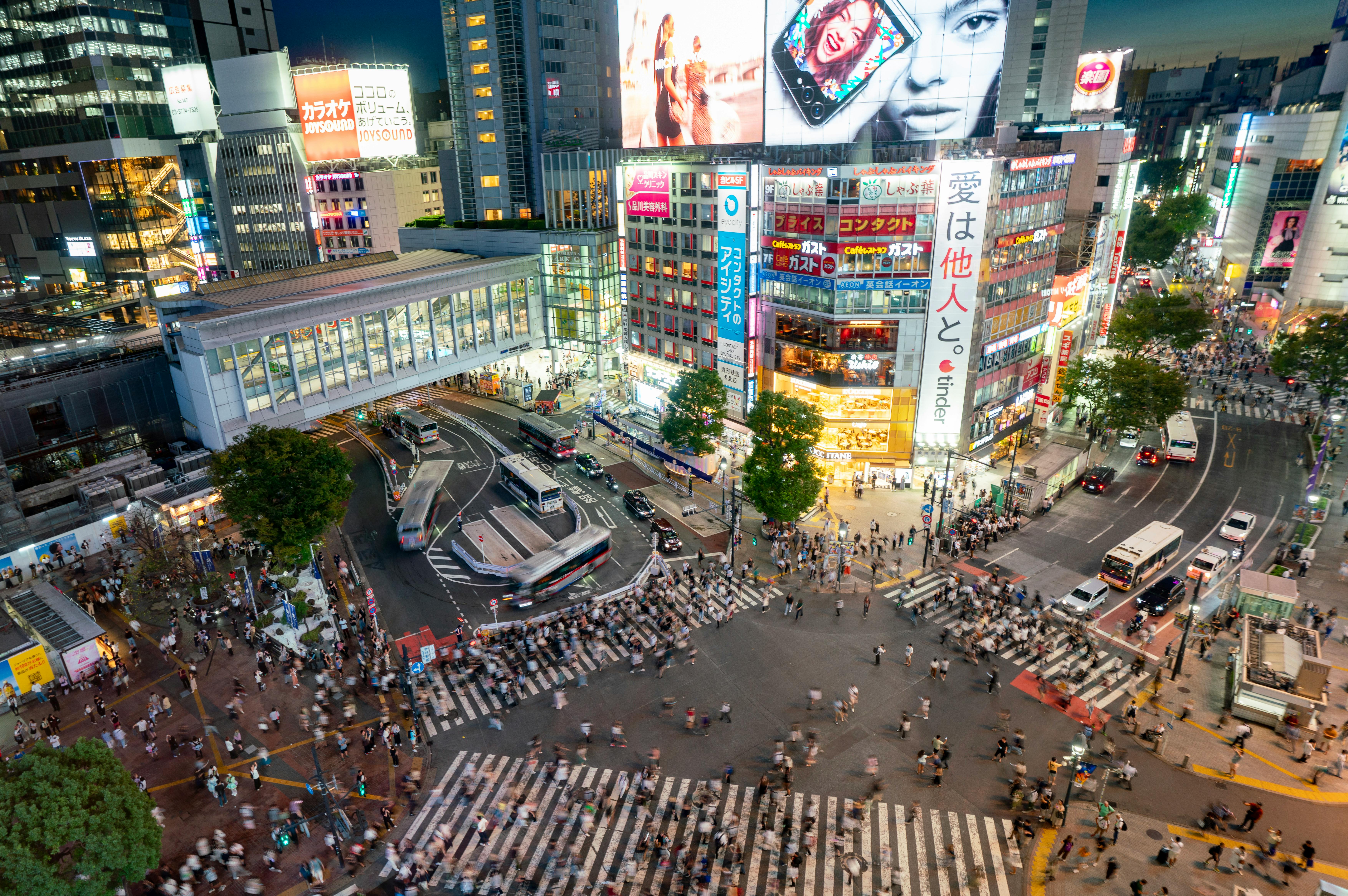
Shibuya crossing, Tokyo, Japan

Custom Trips Japan

Custom Trips to Japan

Japan,
Your Way.

Tailor-made Japan itineraries built around you — from the electric energy and extraordinary food of Tokyo through the volcanic landscapes and ryokan onsen of Hakone, into the ancient temples and geisha districts of Kyoto, and on to the exuberant food culture of Osaka.

Tokyo to OsakaThe Classic Route
14 DaysSweet Spot
All AgesFamilies to Couples
Overview Regions The Stops Who It's For Itinerary When to Go FAQ

Why Japan

Unlike anywhere else on earth — and more accessible than you think.

Japan is the destination that most consistently exceeds expectations — which is remarkable given how high those expectations tend to be. The combination of ancient cultural depth, extraordinary food, immaculate infrastructure, genuine safety, and a society that is simultaneously utterly foreign and immediately navigable makes Japan unlike anywhere else in the world. The temples of Kyoto, the volcanic landscape of Hakone with Mt Fuji above it, the scale and electric energy of Tokyo, and the sheer joy of eating your way through Osaka are experiences that sit in a category of their own.

We've been designing custom trips to Japan long enough to know which Kyoto temple is extraordinary at dawn and overwhelmed by noon, which ryokan in Hakone has the Mt Fuji view from the onsen, which Tokyo neighbourhood rewards a morning walk over any museum, and why the right kaiseki dinner is worth planning an evening around. Japan is endlessly rewarding when you know where to look — and the details are what make the difference between a good Japan trip and an extraordinary one.

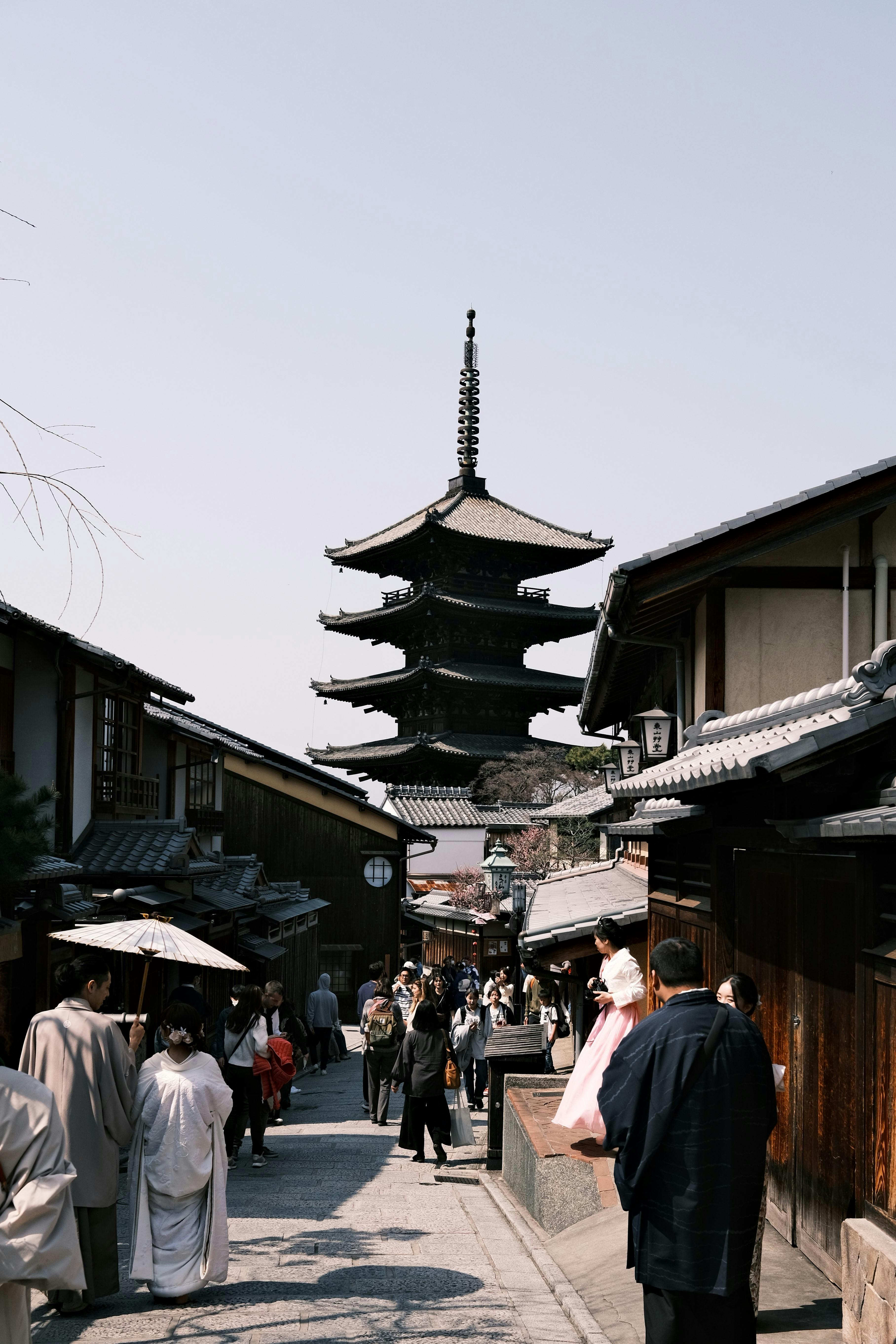
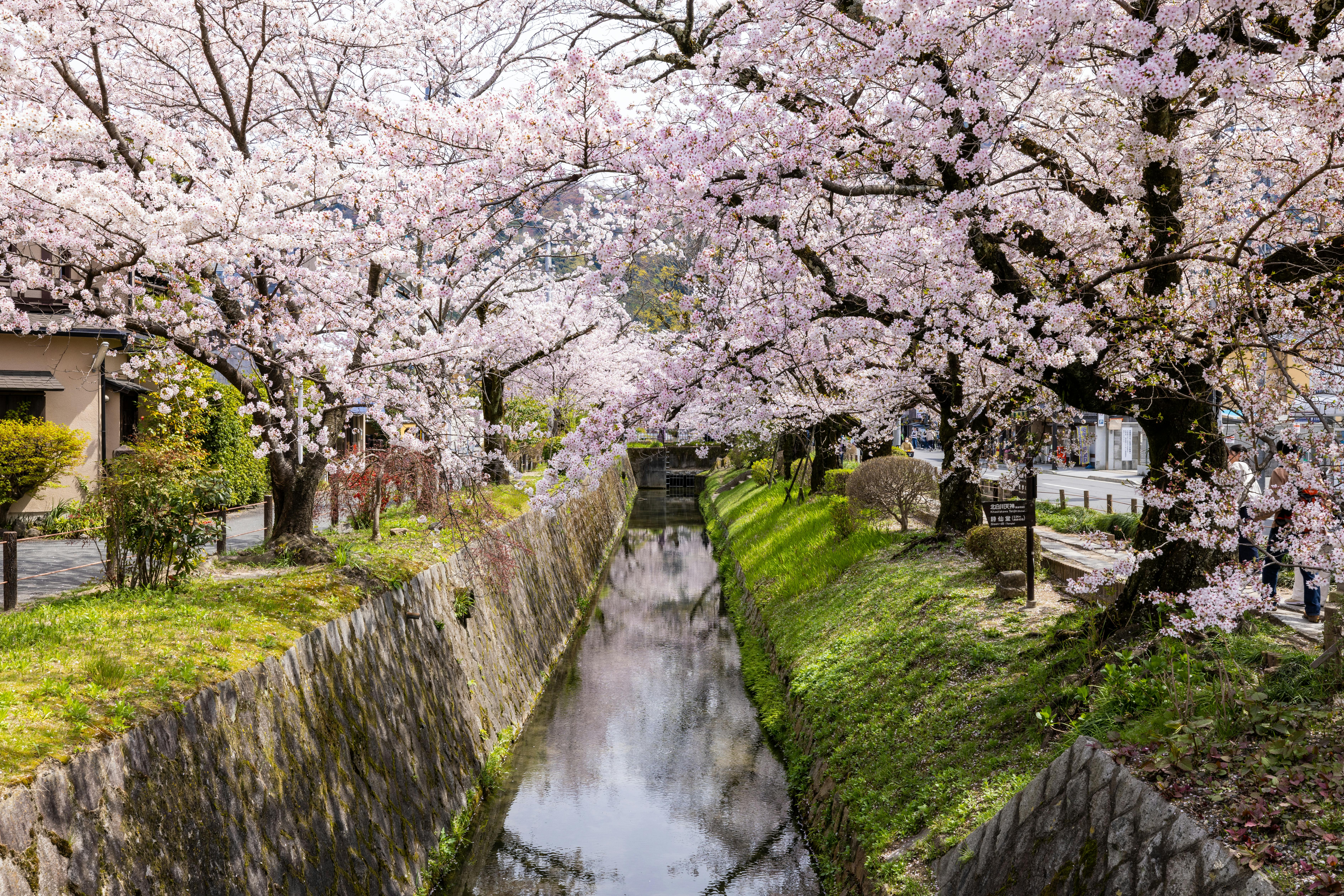
Cherry blossom season, Kyoto, Japan
5 Stops Tokyo to Osaka

The Country

Three distinct worlds — the modern megalopolis, the volcanic highlands, and the ancient imperial heartland.

Japan's character shifts dramatically across the Tokyo–Hakone–Kyoto–Osaka route — from the hypermodern scale of the world's largest city through the volcanic highlands and hot spring culture of the Hakone region, into the ancient imperial capitals of Kyoto and Nara, and finally to the exuberant food city of Osaka. Each is unmistakably Japanese and completely distinct.

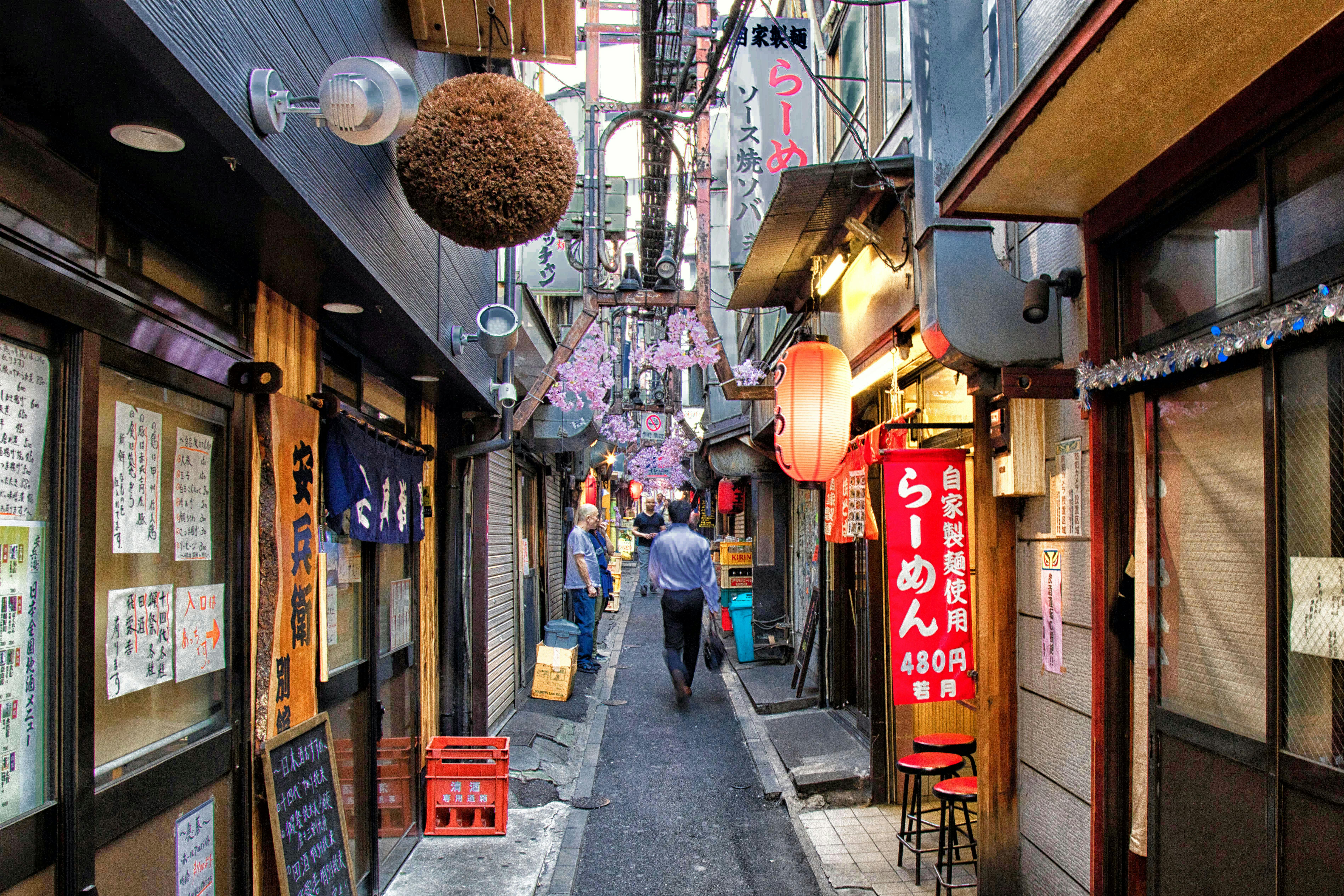
Tokyo alley, Japan
Tokyo & the Kantō Region
Tokyo is the one of the largest cities on earth and one of its most extraordinary — a megalopolis of extraordinary internal variety, where the ultramodern and the traditional coexist in the same street, and where every neighbourhood has a character as distinct as a different city. Shibuya's crossing and the neon of Shinjuku at night. The wooden temples and craft shops of Asakusa. The quiet residential streets of Yanaka. The technology and gaming culture of Akihabara. The world's finest sushi at Tsukiji. Four nights gives you the full range without the exhaustion of trying to see everything in two.
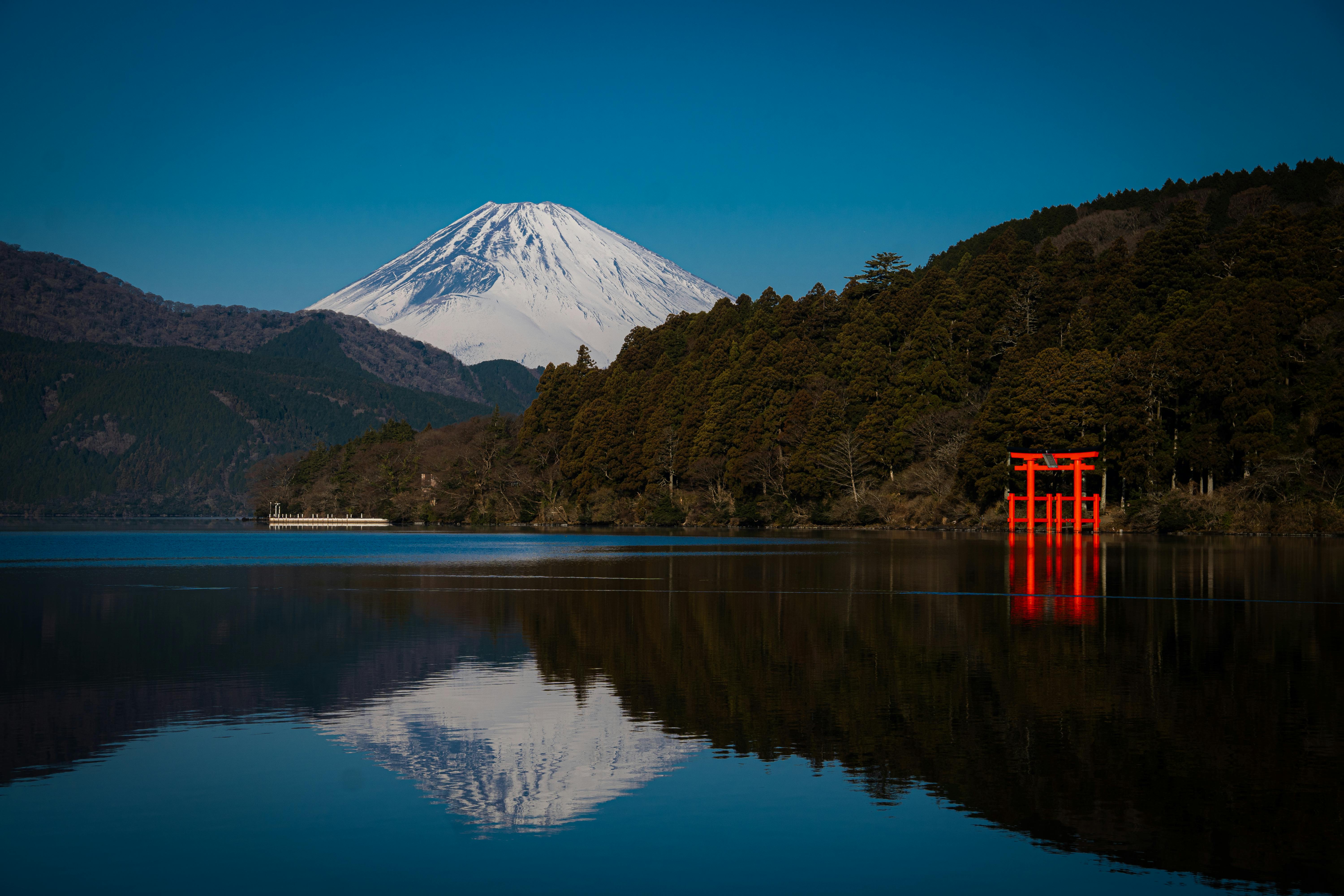
Hakone, Japan
Hakone & the Fuji Region
Hakone sits in the mountains an hour and a half southwest of Tokyo and exists in a different register entirely — volcanic highlands, hot spring towns, the extraordinary Hakone Open Air Museum, and the possibility of Mt Fuji visible above Lake Ashi on a clear morning. The ryokan experience here — tatami rooms, kaiseki dinners of extraordinary refinement, and communal onsen bathing in natural hot spring water — is one of the experiences that people most consistently describe as the highlight of their entire Japan trip. Two nights is enough to slow down properly and understand what Japanese hospitality actually means.
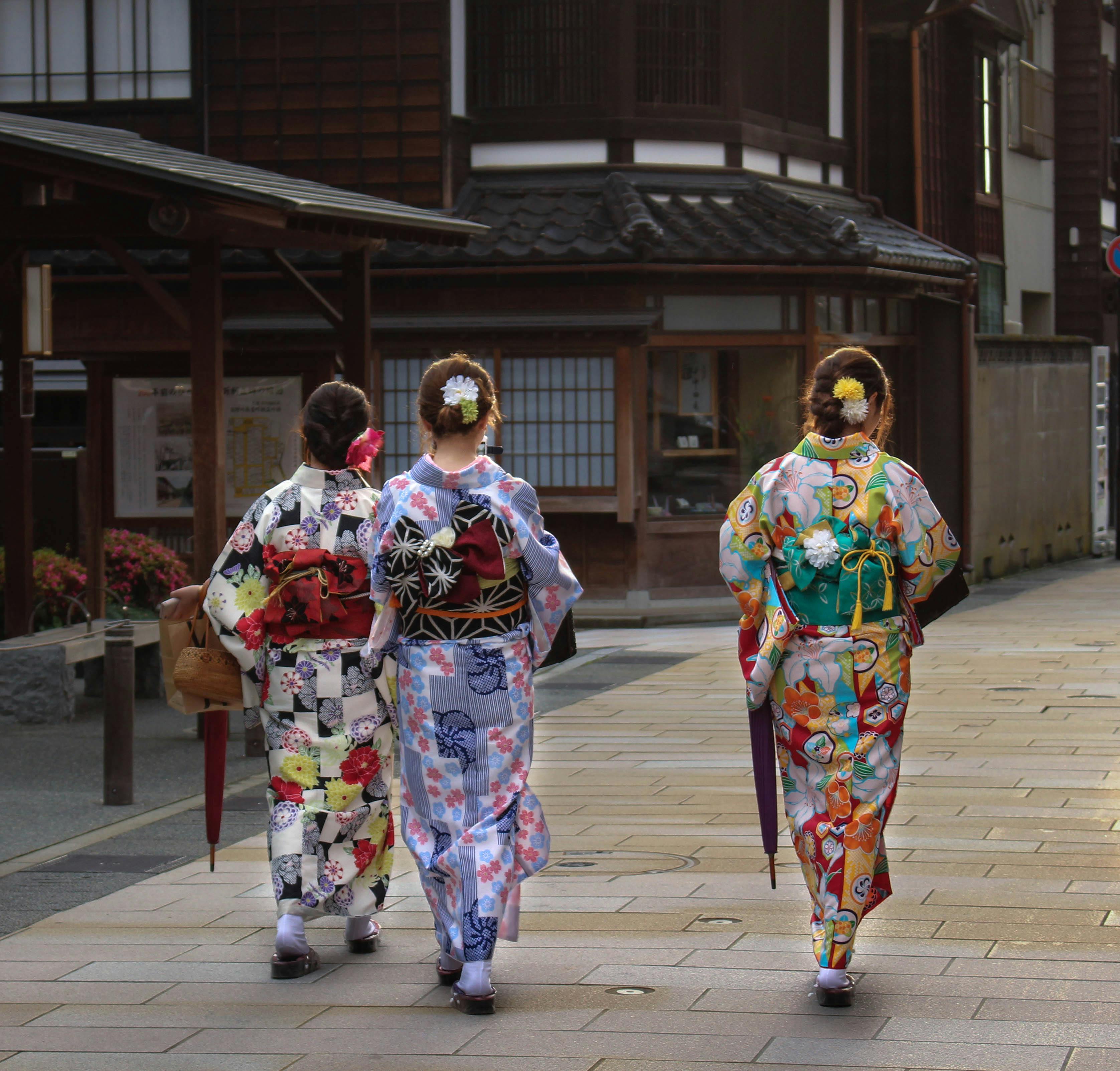
Geishas walking in Kyoto, Japan
Kyoto, Nara & Osaka
The Kansai region — Kyoto, Nara, and Osaka within a triangle of easy day trips — is the cultural and culinary heartland of Japan. Kyoto was the imperial capital for over a thousand years and preserves more of Japan's traditional culture in its temples, shrines, geisha districts, and tea ceremony traditions than anywhere else in the country. Nara, a forty-minute journey from Kyoto, has the world's largest bronze Buddha and over a thousand wild deer wandering freely through its ancient park. Osaka is the counterpoint — Japan's most exuberant food city, where the philosophy is eat until you drop and the street food culture is extraordinary.
The Stops

Five places, each doing something the others can't.

This itinerary moves from east to west along Japan's most rewarding route — from Tokyo's urban complexity through Hakone's volcanic highlands, into Kyoto's ancient culture, out to Nara's sacred park, and finally to Osaka's extraordinary food scene.

Tokyo
Shibuya · Asakusa · Tsukiji · Shinjuku · Yanaka
Tokyo rewards those who stop trying to see it all and start paying attention to one neighbourhood at a time. Shibuya's crossing — the world's busiest pedestrian intersection — at rush hour. The wooden temples and craft shops and old residential streets of Asakusa, where Tokyo was before modernity arrived. The extraordinary quiet of Yanaka, where the temples and the tofu shops and the cats have resisted development. The technology and gaming culture of Akihabara. The neon and the chaos and the ramen at midnight in Shinjuku. The world's finest sushi counter breakfast at Tsukiji market. Four nights gives you the range — the full variety of what the world's largest city actually contains — without the exhaustion of attempting everything in two.
Hakone
Mt Fuji Views · Onsen · Ryokan · Open Air Museum · Ropeway
Hakone is the experience that most changes what people think Japan is. The town sits in the caldera of an ancient volcano in the Fuji-Hakone-Izu National Park — a landscape of hot springs, crater lakes, volcanic steam vents, and the possibility of Mt Fuji visible on clear mornings above Lake Ashi. The Hakone Open Air Museum is one of the finest outdoor sculpture collections in Asia. The Hakone Ropeway crosses the volcanic Owakudani valley with the fumaroles below and Fuji above on clear days. But the essential Hakone experience is the ryokan — staying in a traditional Japanese inn with tatami rooms, futon beds, a yukata robe, a kaiseki dinner of seven to ten courses of extraordinary refinement, and the communal onsen where you soak in natural hot spring water until the world outside stops mattering. Two nights at a well-chosen Hakone ryokan — a traditional inn where the accommodation, the kaiseki dinner, and the onsen bathing are all part of a single, carefully crafted experience — is what most people describe as the highlight of their entire Japan trip.
Kyoto
Fushimi Inari · Arashiyama · Gion · Tea Ceremony · Philosopher's Path
Kyoto was Japan's imperial capital for over a millennium and is the city where Japan's traditional culture is most completely preserved — two thousand temples and shrines, seventeen UNESCO World Heritage Sites, the geisha districts of Gion and Pontocho, the bamboo groves of Arashiyama, the thousands of vermillion torii gates of Fushimi Inari ascending the mountainside, the Philosopher's Path canal walk in cherry blossom season, and a tea ceremony culture that has been refined over six centuries into one of the most extraordinary ritual practices in the world. Kyoto requires time to experience properly — four nights gives you the early morning at Fushimi Inari before the crowds arrive, an evening in Gion watching for geiko and maiko, the Kinkaku-ji Golden Pavilion in the morning light, and enough of the Philosopher's Path and Arashiyama to feel like you've inhabited the city rather than visited it.
Nara
Todai-ji · Sacred Deer · Kasuga Taisha · Day Trip from Kyoto
Nara is a day trip from Kyoto that feels like stepping eight centuries further back in time. Japan's first permanent capital, Nara is home to the Todai-ji temple complex — which contains the world's largest bronze Buddha, a statue of extraordinary scale and serenity that occupies an equally extraordinary wooden hall — and to the Kasuga Taisha shrine, whose pathways are lined with hundreds of stone lanterns covered in moss. The detail that makes Nara unforgettable, particularly for families, is the deer: over a thousand wild sika deer roam freely through Nara Park, designated as sacred messengers of the gods and accustomed enough to visitors to approach anyone carrying the deer crackers sold throughout the park. The combination of ancient Buddhist and Shinto architecture and genuinely free-roaming deer makes Nara one of the more unusual and consistently delightful days on this itinerary.
Osaka
Dotonbori · Kuromon Market · Takoyaki · Osaka Castle · Night Food
Osaka is where the Japan trip ends — and it ends on a note of extraordinary pleasure. Japan's second city has a character completely different from Kyoto's cultural refinement: louder, more direct, more food-obsessed, and more exuberant in its pleasures. The Osakan philosophy — kuidaore, "eat until you drop" — is lived rather than described, and the street food culture of the Dotonbori canal area and the Kuromon Ichiba market is among the finest and most accessible in Japan. Takoyaki (octopus balls), okonomiyaki (savoury pancake), fresh uni from the market stalls, ramen that has been refined over decades by obsessive practitioners — Osaka is where you eat more than you planned to every day and don't regret a moment of it. Three nights gives you the food, Osaka Castle and the excellent Osaka Museum of History around it, the Shinsekai neighbourhood's old-city character, and an evening at the top of Umeda Sky Building looking across the city at night.

Who It's For

Japan works for first-time visitors, families, food lovers, and culture enthusiasts — when the itinerary is designed well.

We've designed Japan trips for honeymooners, families with children of every age, solo travellers, groups of friends, people for whom Japan has been on the wish list for twenty years, and people who know Japan well and want to go deeper. The Tokyo–Hakone–Kyoto–Osaka route works for all of them — the key is the pacing and the detail.

First-Time Visitors to Asia
Japan is the finest first step into Asia for travellers who want the full cultural immersion without the logistical friction that some other Asian destinations involve. The public transport is immaculate and navigable. The streets are safe at any hour. The food culture is extraordinary at every price point. The accommodation range — from business hotels to traditional ryokans — is wide and well-maintained. The people are among the most courteous and helpful in the world. Japan challenges and delights without ever overwhelming, and the Tokyo–Kyoto–Osaka route is the ideal introduction.
Families with Children
Japan is one of the finest family destinations in the world — possibly the finest for groups with mixed ages. The extraordinary safety, the immaculate public transport, the food that caters to all ages and palates, and the range of genuinely exciting experiences — the deer of Nara, the technology of Akihabara, the onsen and the ryokan experience, the Hakone Ropeway above the volcanic valley, teamLab digital art in Tokyo — means that children, teenagers, and grandparents can all be having the best day of their lives simultaneously. Japan is also one of the most welcoming cultures in the world for children in restaurants and public spaces.
Food Lovers
Japan has more Michelin-starred restaurants than any other country on earth, and the extraordinary thing is that this statistic understates the breadth and depth of the food culture — because the best ramen in a Tokyo basement, the best sushi counter breakfast at Tsukiji, the best takoyaki at a Dotonbori stall, and the best kaiseki dinner in Kyoto are all, in their own way, world-class experiences. We design Japan itineraries around the food as much as the culture — knowing which restaurant to book six weeks in advance, which market to visit at what time, and which neighbourhood has the best izakaya crawl on any given evening.
Culture & History Enthusiasts
Japan's cultural depth is extraordinary and largely inexhaustible. Kyoto's seventeen UNESCO World Heritage Sites. The thousand-year-old cedar avenue of Nikko. The Nara Daibutsu, Japan's largest bronze Buddha, inside the world's largest wooden building. The living geisha culture of Gion. The tea ceremony tradition refined over six centuries. The Shinto shrine network that covers the entire country. The kabuki theatres. The centuries-old pottery and textile traditions of Kyoto's craft districts. For travellers who want cultural depth rather than cultural highlights, Japan rewards months of return visits and still reveals new dimensions.
Couples & Honeymoons
Japan has a particular romance that comes from its combination of extraordinary beauty, extraordinary food, and a culture of meticulous attention to the experience of guests. The right Hakone ryokan — a traditional inn with a private tatami room overlooking the valley, a kaiseki dinner served course by course over two hours, and communal onsen (natural hot spring baths) at dawn with mist over the mountains — is among the most genuinely romantic experiences available anywhere in the world. Kyoto in cherry blossom season at dawn, walking the Philosopher's Path before the crowds arrive, is another. We know which ryokans, which restaurants, and which moments to build a Japan honeymoon around.
Cherry Blossom & Autumn Foliage
Japan in late March and April, when the cherry blossoms bloom in sequence across the country from south to north, and Japan in November, when the maple and ginkgo foliage turns the temple gardens amber and gold, are two of the most visually extraordinary seasonal travel experiences on earth. Both windows require booking accommodation months in advance — accommodation in Kyoto during sakura season fills up extraordinarily quickly. We plan around the blossom and foliage forecasts, build the itinerary to catch the peak in multiple cities, and book everything early enough to ensure you actually get there.

Sample Itinerary

14 Days in Japan — Tokyo to Osaka.

This itinerary moves from east to west along Japan's most rewarding route — four nights in Tokyo, two in Hakone, four in Kyoto (with a Nara day trip), and three in Osaka. Every itinerary we build is shaped around your pace, interests, and travel style. This is a starting point.

1–4
Tokyo
Four days in the world's most extraordinary city — one neighbourhood at a time
Tokyo's scale is the first thing that arrives — and then the realisation that its variety is what makes it navigable. Four nights gives you the space to move through the city at a pace that allows each neighbourhood to reveal itself properly. Asakusa — where the Senso-ji temple, the Nakamise shopping street, and the old residential streets of Yanaka preserve the Tokyo that existed before the postwar reconstruction — is best in the early morning before the visitors arrive. Shibuya's crossing, best experienced from the Starbucks window above it at rush hour. Harajuku's Takeshita Street and the extraordinary quiet of the Meiji Shrine behind it. Shinjuku at night — the neon, the izakayas of the Golden Gai alley complex, the ramen counter at midnight. The fish breakfast at Tsukiji market. Akihabara's electronics and anime culture. The teamLab Planets or Borderless digital art installations, which sit in a category of immersive experience that nothing in Europe or North America quite matches. Four nights is enough to do all of this and still leave Tokyo wanting more, which is the right state of mind for the journey west.
Senso-ji TempleShibuya CrossingTsukiji MarketShinjuku at NightteamLabYanaka
5–6
Hakone
Two nights in a ryokan — Mt Fuji, volcanic landscape, and the onsen experience
Hakone arrives as a complete change of register from Tokyo — the volcanic highlands of the Fuji-Hakone-Izu National Park, the hot spring towns, and the possibility of Japan's most iconic mountain visible above Lake Ashi on clear mornings. The essential Hakone experience is the ryokan — a traditional Japanese inn where the accommodation, the dinner, and the bathing are all part of a single, carefully designed experience. Tatami rooms with futon bedding. A yukata robe. A kaiseki dinner served course by course over two hours at a low table. The communal onsen at dawn with the mountains above and the volcanic steam below. The Hakone Open Air Museum — one of the finest outdoor sculpture collections in Asia, with works by Rodin, Picasso, and Henry Moore set against the mountain landscape — is an afternoon well spent. The Hakone Ropeway across the volcanic Owakudani valley, where the sulphur vents still hiss below the cable cars and Mt Fuji is visible beyond on clear days, gives the landscape dimension that distinguishes Hakone from any other ryokan destination in Japan. Two nights allows the first day to be the experience of arriving and absorbing, and the second to be fully inhabited.
Ryokan StayOnsen BathingMt Fuji ViewsHakone RopewayKaiseki DinnerOpen Air Museum
7–10
Kyoto
Four days in Japan's cultural heart — temples, geisha districts, and the Philosopher's Path
Kyoto requires the same approach as Tokyo — one thing at a time, and preferably early. The thousands of vermillion torii gates of Fushimi Inari Taisha ascending the mountain behind the shrine are best walked at dawn, when the gates glow in the early light and the crowds have not yet arrived — by 10am the main paths are full. The Kinkaku-ji Golden Pavilion, reflected in the pond in front of it, is genuinely as beautiful as every photograph suggests, but it is surrounded by visitors throughout the day. The Arashiyama bamboo grove is extraordinary for the first thirty seconds and then becomes a corridor of cameras — go at dawn or dusk. Gion, the geisha district, rewards patient evening walking along Hanamikoji Street when the tea houses open and the maiko and geiko move between appointments. The Philosopher's Path canal walk in cherry blossom season is a specific category of extraordinary — the blossoms over the canal, the small temples along the path, and the relative quiet of the northern Higashiyama district combine in a way that is difficult to describe adequately. Four nights gives you all of this without any of it feeling rushed, and with time to simply sit in the stone garden of Ryoan-ji for as long as it takes to understand what the space is doing.
Fushimi Inari at DawnArashiyamaGion Evening WalkKinkaku-jiRyoan-jiPhilosopher's Path
Day Trip
Nara
A day trip from Kyoto — the Great Buddha, the ancient shrine, and eight hundred wild deer
Nara is a short journey from Kyoto and a thousand years further back in time. Japan's first permanent capital — established in 710 AD — Nara preserves a concentration of Buddhist and Shinto architecture in a setting of extraordinary natural beauty: Nara Park, a wide expanse of ancient parkland, contains the Todai-ji temple complex, the Kasuga Taisha shrine, and over a thousand wild sika deer that have been designated sacred and roam freely through the park, the temple grounds, and the surrounding streets with complete unconcern for the humans around them. The Todai-ji's Daibutsu-den hall — the world's largest wooden structure — contains the Daibutsu, a bronze Buddha of astonishing scale and serenity that was cast in 752 AD and has been gazed at by visitors ever since with essentially the same response: silence, and then awe. The moss-covered stone lanterns lining the paths of Kasuga Taisha, lit twice a year during the lantern festivals, are beautiful even unlit. A full day in Nara — arriving before the tour groups at 9am and leaving in the late afternoon — is one of the most consistently rewarding days on this itinerary.
Todai-ji DaibutsuSacred Deer of Nara ParkKasuga TaishaDay Trip from Kyoto
11–13
Osaka
Three days in Japan's food capital — eat until you drop and don't regret a moment
Osaka arrives after Kyoto's cultural intensity as a relief and a pleasure — louder, more direct, more food-obsessed, and more cheerfully commercial than anywhere else on this itinerary. The Osakan philosophy — kuidaore, eat until you drop — is not a metaphor. The Dotonbori canal area, with its giant mechanical crab, its takoyaki stalls, its ramen shops, its street food vendors, and its neon reflections in the water at night, is the most exuberant eating experience in Japan. The Kuromon Ichiba market — Osaka's kitchen — has been feeding the city's restaurants and the city itself for two centuries and offers the best single-morning food experience on the itinerary: fresh uni on rice, grilled wagyu skewers, live scallops, tamagoyaki, and the best dashi-flavoured snacks available anywhere. Osaka Castle, surrounded by one of Japan's finest castle parks, and the Osaka Museum of History in the building next to it give the mornings a cultural anchor that the evenings emphatically do not need. The Shinsekai neighbourhood — the old Osaka that was built to resemble Paris and New York in 1903 and has since evolved into its own vivid character — is worth an afternoon before its kushikatsu (deep-fried skewers) restaurants take over the evening. Three nights in Osaka rounds the trip out properly — ending on the food city rather than the cultural city is the right order, and most people find they need all three nights to eat everything they intended to.
DotonboriKuromon MarketTakoyaki & Street FoodOsaka CastleShinsekaiKushikatsu

Japan rewards those who slow down — the best experiences on this itinerary are the unplanned ones, the neighbourhoods found by wandering, the ramen shop chosen by instinct, the temple discovered down a side street. The itinerary we build is a structure, not a schedule. Transport — including the Japan Rail Pass, Shinkansen reservations, and all transfers — is handled entirely by us. You travel, we take care of the rest.

When to Visit

Cherry blossom season in spring, autumn foliage in November — both require booking months in advance.

Japan has two peak windows of extraordinary natural beauty — cherry blossom season (late March to mid-April) and autumn foliage (mid-November to early December) — and both are fully justified. Outside these peaks, Japan is excellent year-round, with spring and autumn shoulder months offering good weather and manageable crowds.

Jan
Good
Feb
Good
Mar
Peak
Apr
Peak
May
Good
Jun
Rainy
Jul
Hot
Aug
Hot
Sep
Good
Oct
Good
Nov
Peak
Dec
Good
Peak — cherry blossom or autumn foliage
Good — pleasant weather, manageable crowds
Rainy season or summer heat
Mar & Apr: Cherry Blossom Season
The sakura bloom moves northward across Japan from late March, reaching Tokyo and Kyoto typically in the first week of April. The transformation — every park, temple garden, canal, and riverbank suddenly framed in pale pink — is as extraordinary as the photographs suggest and more moving in person. Accommodation in Kyoto during sakura season fills months in advance. We build cherry blossom itineraries around the forecast bloom dates and book everything early enough to guarantee you're there at the right moment.
November: Autumn Foliage
Japan's autumn — koyo — is the equal of cherry blossom season for visual drama and arguably superior for atmosphere: the maple and ginkgo foliage in the temple gardens of Kyoto, the reflection of the red maples in the ponds of Eikan-do, the golden ginkgo avenue of Meiji Jingu Gaien in Tokyo, and the November light on the Philosopher's Path are experiences that many Japan regulars prefer to the spring. November is also slightly less crowded than April. The foliage window is shorter and less predictable than sakura — all the more reason to plan it carefully.
Outside Peak Season
May and October are Japan's best shoulder months — excellent weather, smaller crowds than the peak windows, and no need to book accommodation months in advance. January and February are cold but excellent — snow on the Kyoto temples is extraordinary, the ski resorts of Hokkaido and the Japanese Alps are at their best, and the Tokyo winter food scene (ramen, hot pot, sake) is as good as any other time of year. June and July bring the rainy season — still entirely workable, with the added atmosphere of mist over the temples, but requiring waterproofing and flexibility.
Kyoto temple, Japan
Our Japan Expertise

We know Japan beyond the guidebook.

The Right Ryokan in Hakone

Not all ryokans are equal — the range between a genuine traditional inn with a great onsen and Mt Fuji views and a hotel that has added tatami mats is significant. We know which Hakone properties deliver the full experience, which rooms have the best views, and how to book them early enough to secure the right dates. The right two nights in Hakone is the experience most people describe as the highlight of their entire Japan trip.

Kyoto at the Right Time of Day

Fushimi Inari at dawn. The Bamboo Grove before 8am. Gion in the early evening. The Philosopher's Path in the morning light. Kyoto's most extraordinary experiences are almost entirely about timing — the same sites that are genuinely overwhelming at noon are transcendent at dawn. We brief every client on exactly when to be where, and why it matters.

The Japan Rail Pass & All Transport

Japan's rail network is extraordinary but requires navigation — which pass to buy, which trains require seat reservations, when to book Shinkansen seats for cherry blossom season, how to get from Hakone to Kyoto most efficiently. We handle all of this as part of every trip we design. You board the right train at the right time; we've sorted everything else.

Always With You

Our team is available via WhatsApp throughout your entire trip. Train delayed? Restaurant fully booked on the night? Something changed? We sort it — wherever you are in Japan.

What Travellers Say

Japan trips they'll talk about forever.

Every single detail was taken care of, which made travelling feel effortless and stress-free. From accommodations to activities, everything was well thought out and perfectly suited to what I was looking for. That level of attention and care made a huge difference.

Laura Shandro · 2026

We have used their services on 4 different vacations. I would have to rate all of the trips 10/10 or higher. Even when there are unforeseen travel glitches — delayed flights, ferries — they are always on it before we even realise an issue. Highly recommend.

Rob Bell · 2025

Common Questions

Everything you need to know.

Two weeks is the sweet spot for covering Tokyo, Hakone, Kyoto, Nara, and Osaka without anything feeling rushed. Four nights in Tokyo, two in Hakone, four in Kyoto, and three in Osaka gives each stop the time it deserves. Ten days is the minimum for a meaningful Japan trip; three weeks opens up Hiroshima, Kanazawa, and the Japanese Alps.
March and April for cherry blossom season — the most iconic and most sought-after time to be in Japan, when the sakura bloom transforms every park, temple, and riverbank in the country. November for autumn foliage — arguably as spectacular as cherry blossom and slightly less crowded. Both windows require accommodation to be booked months in advance. May and October are excellent alternatives with good weather and manageable crowds.
Japan is one of the finest family destinations in the world. Extraordinarily safe, immaculate public transport, food that caters to all ages and palates, and experiences that work for every age simultaneously — the deer of Nara, the technology of Akihabara, the Hakone Ropeway, the ryokan experience. Japan is also one of the most welcoming cultures in the world for children in restaurants and public spaces. We design family Japan itineraries specifically around the ages and interests of the group.
Japan has a reputation for complexity that the actual experience doesn't entirely support. The Shinkansen network connects major cities with extraordinary reliability. City transport in Tokyo, Kyoto, and Osaka is extensive and well-signposted in English. The complexity lies in the details — which rail pass to buy, which restaurants to book in advance, when to be where in Kyoto, how the ryokan culture works. That's exactly what we handle. You arrive knowing exactly what to do and when.
Hakone adds the dimension that the city itinerary alone can't provide — Mt Fuji views, onsen bathing, the extraordinary Hakone Open Air Museum, and the ryokan experience that is one of the things people most consistently describe as the highlight of their entire trip. Two nights in Hakone breaks the Tokyo-to-Kyoto journey into something genuinely meaningful rather than a transit, and the kaiseki dinner and communal onsen at dawn are experiences that exist nowhere else on this itinerary.
Very naturally. Japan combines well with South Korea — Seoul is a two-hour flight from Tokyo or Osaka, and the cultural contrast makes for an extraordinary combined itinerary. Southeast Asia connections are easy — Thailand, Vietnam, and Bali and the Philippines are all well-served. For longer itineraries, Japan can open or close a broader Asia trip across a month or more. For a full breakdown of day-to-day costs in Japan, see our Japan Spending Money Guide.

Let's Start Planning

Ready for your
Japan trip?

Tell us which parts of Japan draw you, how long you have, and how you like to travel. We'll design the rest — temples, ryokans, bullet trains, and all.

Flexible payment plans available — just ask.

Fill Out the Form travel@fnez.com

More Destinations We Know Deeply

Don't see the destination you're after? We design trips to far more countries than we have pages for — reach out and tell us where you want to go.