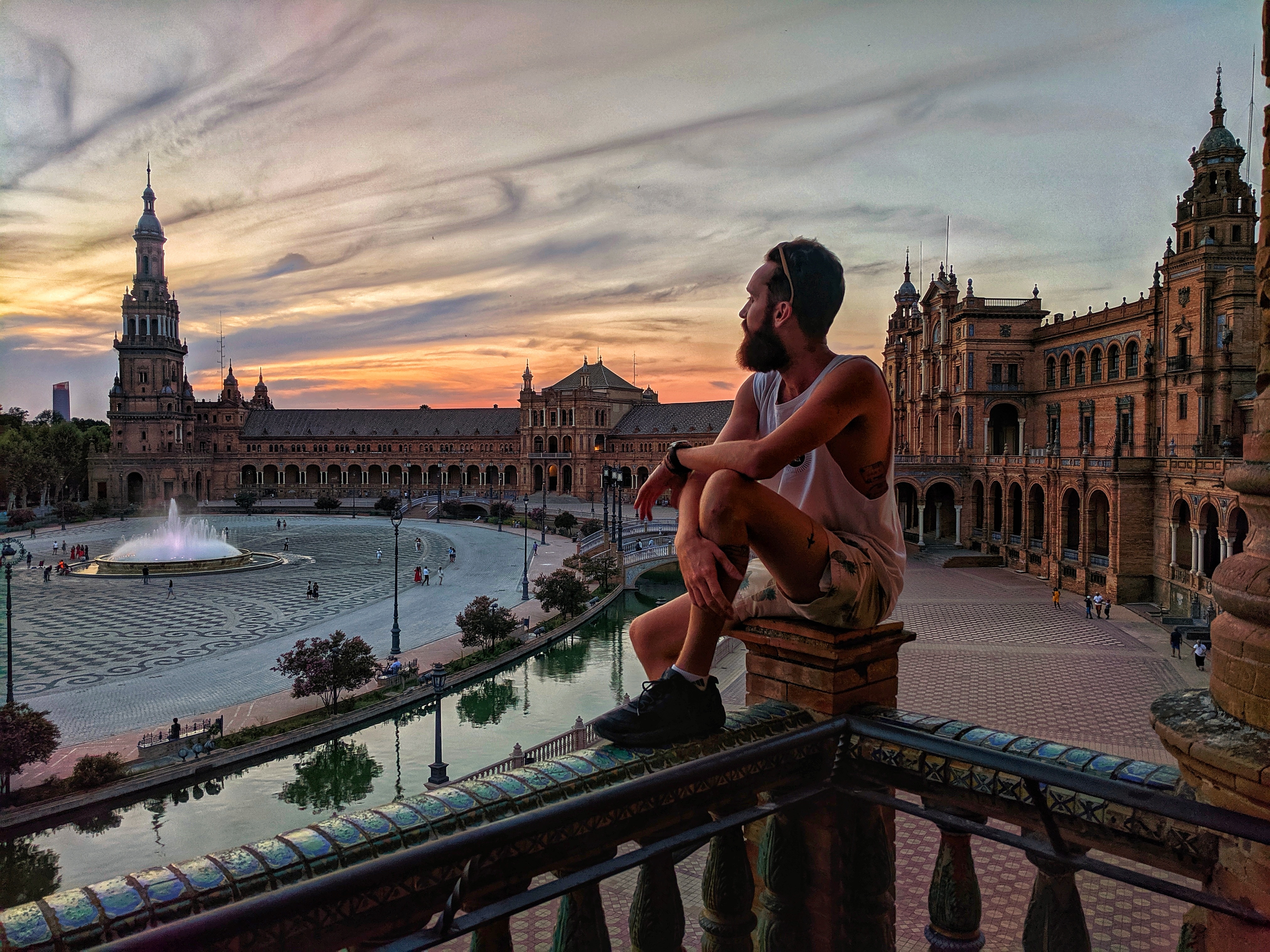
Plaza de España, Seville, Spain

Custom Trips Spain

Custom Trips to Spain

Spain,
Your Way.

Tailor-made Spain itineraries built around you — from the art and tapas bars of Madrid and the Alhambra of Granada, to the pine-fringed coves of Mallorca and Menorca, and the food and architecture of Barcelona.
City to SeaPerfectly Sequenced
12 DaysSweet Spot
All StylesBudget to Luxury
Overview Regions The Stops Who It's For Itinerary When to Go FAQ

Why Spain

Culture, coast, and one of the world's great food cultures.

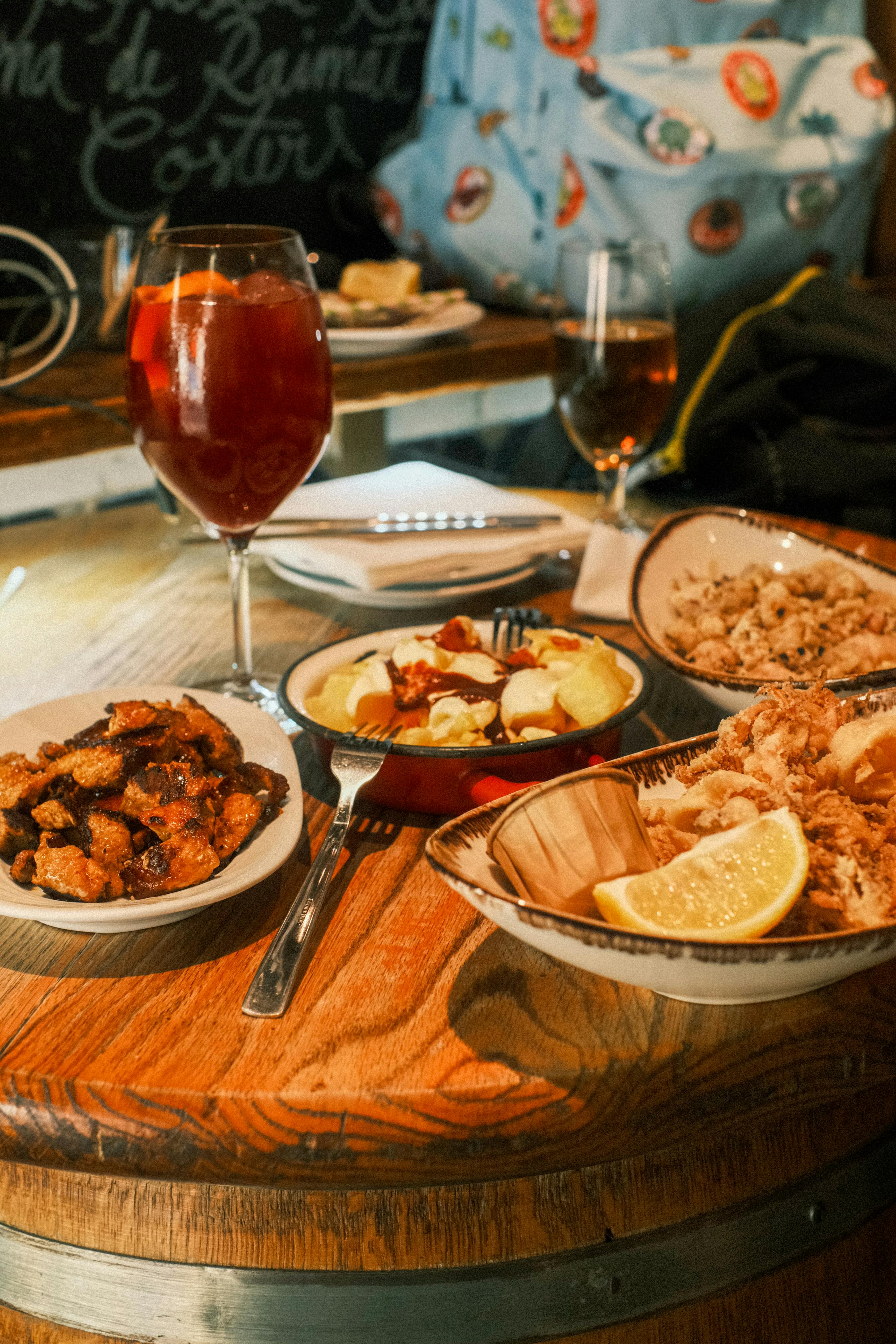
Spain is one of those destinations that rewards those who look beyond the obvious circuit. Yes, Madrid and Barcelona are unmissable — but the country's real depth is in the contrasts: the Moorish architecture of Granada, the quieter coves of Menorca that Mallorca's crowds never reach, the way a two-hour meal in a neighbourhood restaurant can become the best moment of the whole trip. Spanish food isn't just tapas — it's an entire philosophy of eating. Small plates, good wine, long tables, unhurried conversation. Getting this right is as much about knowing where to go as it is about what to order.

We've been designing custom trips across Spain for years — long enough to know which flamenco show is worth attending, which Granada tapas bar still gives free food with every drink, and which beach on Menorca is worth the fifteen-minute walk through the scrubland to reach.

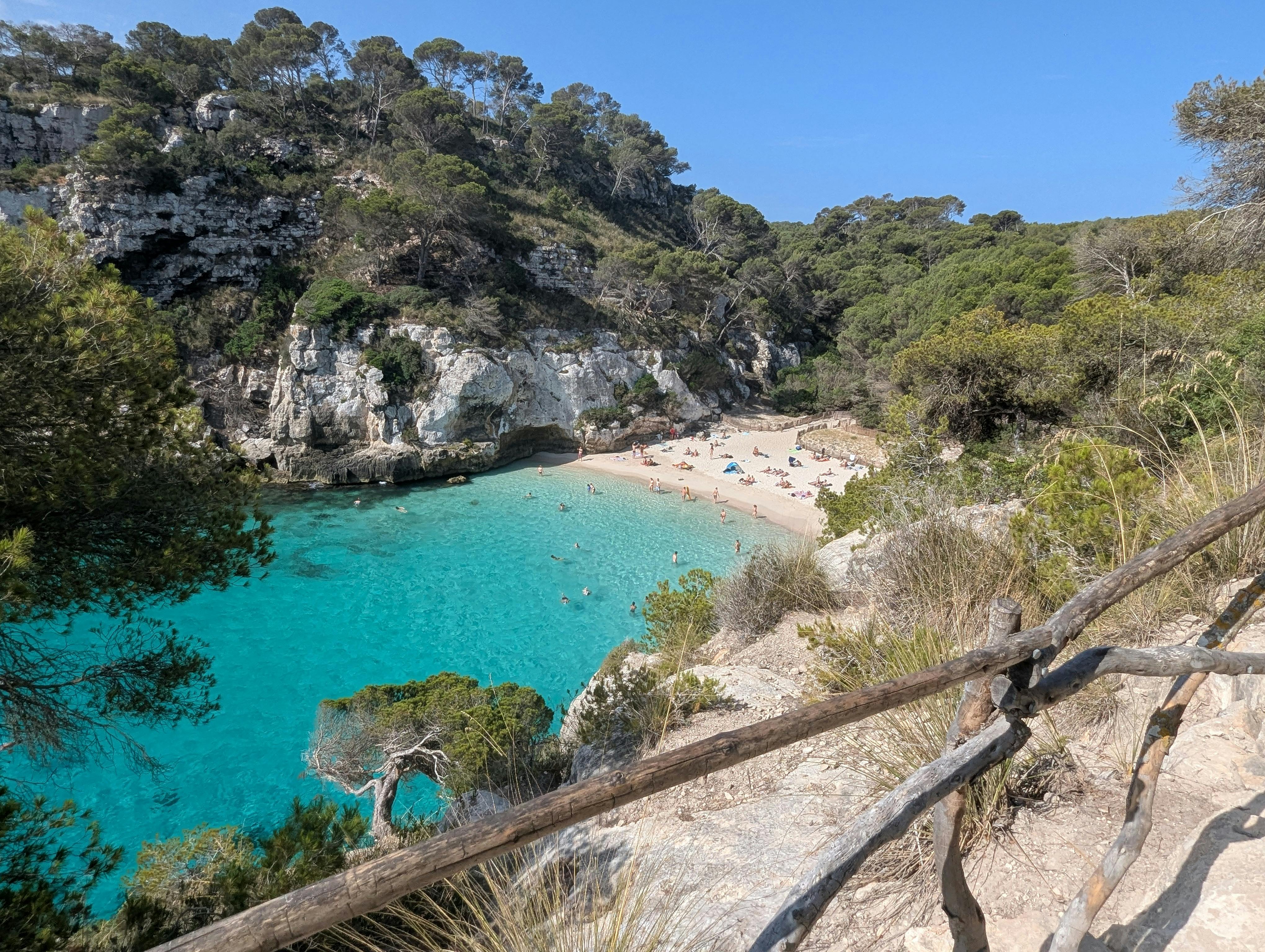
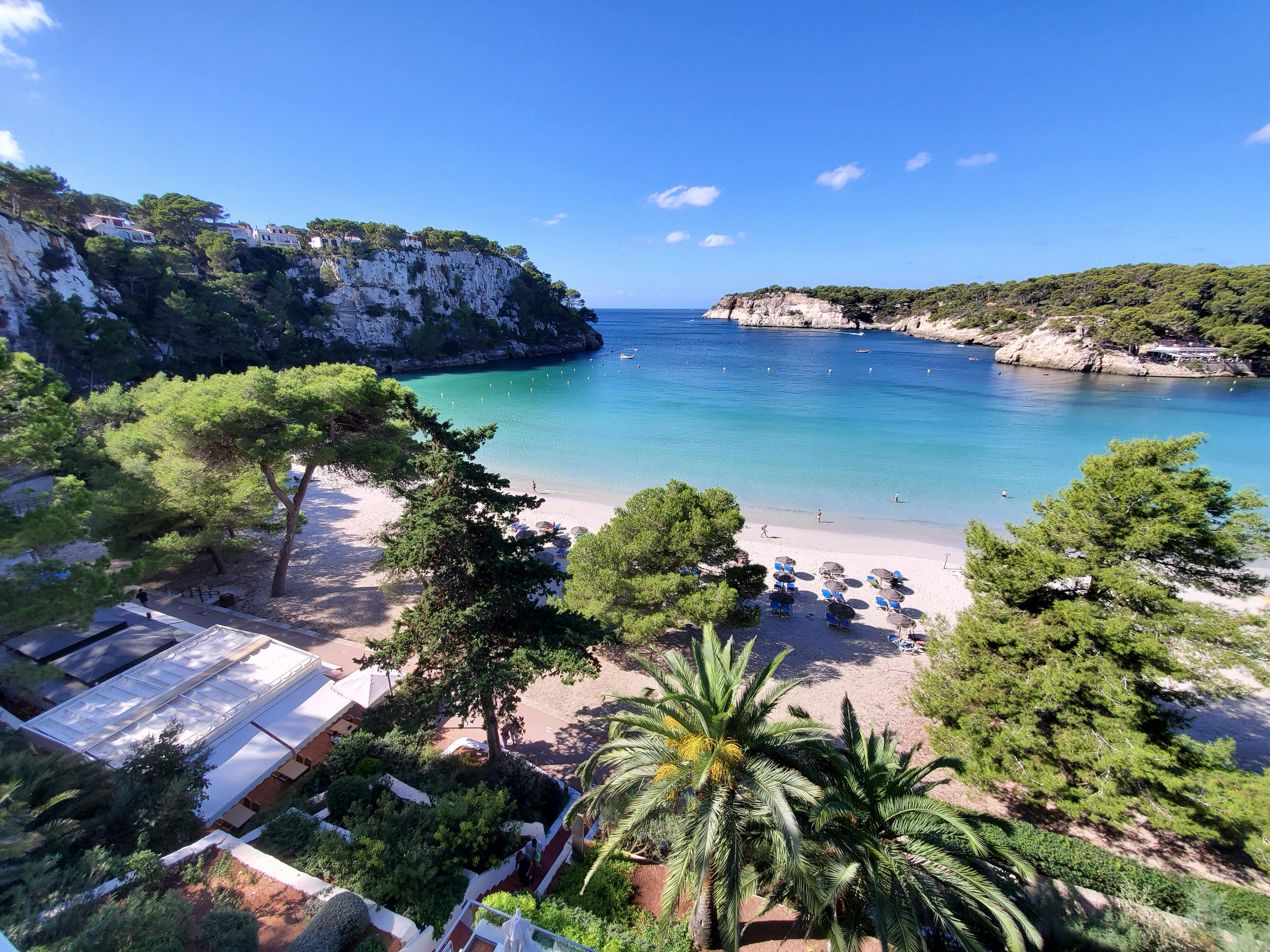
Beach, Menorca, Spain
5 Stops One Seamless Trip

The Country

Spain's regions each have a completely different character.

Castile and Madrid, Andalusia in the south, the Balearic Islands in the Mediterranean, and Catalonia in the northeast — each feels like a distinct country in terms of culture, food, and pace. A well-designed Spain itinerary moves through these contrasts in a way that feels natural rather than rushed.

Tapas, Spain
Castile & Andalusia
The cultural heart of Spain. Madrid is one of Europe's great capital cities — world-class art museums, a tapas bar culture that starts late and ends later, and an energy that doesn't slow down until well after midnight. Granada, three hours south by high-speed train, is an entirely different world: the Alhambra palace rising above the city, the old Moorish quarter of the Albaicín, and the extraordinary tradition of free tapas with every drink that makes eating here feel almost absurdly generous.
Paradise beach, Menorca, Spain
The Balearic Islands
Mallorca and Menorca sit in the western Mediterranean and share the same clear turquoise water — but have very different atmospheres. Mallorca is Spain's most visited island for good reason: dramatic Serra de Tramuntana mountains in the north, beautiful historic Palma at its centre, and coves of extraordinary clarity scattered along the coastline. Menorca, a short hop away, is quieter, more protected, and rewards those who take the time to find its beaches — many of them accessible only on foot or by boat.
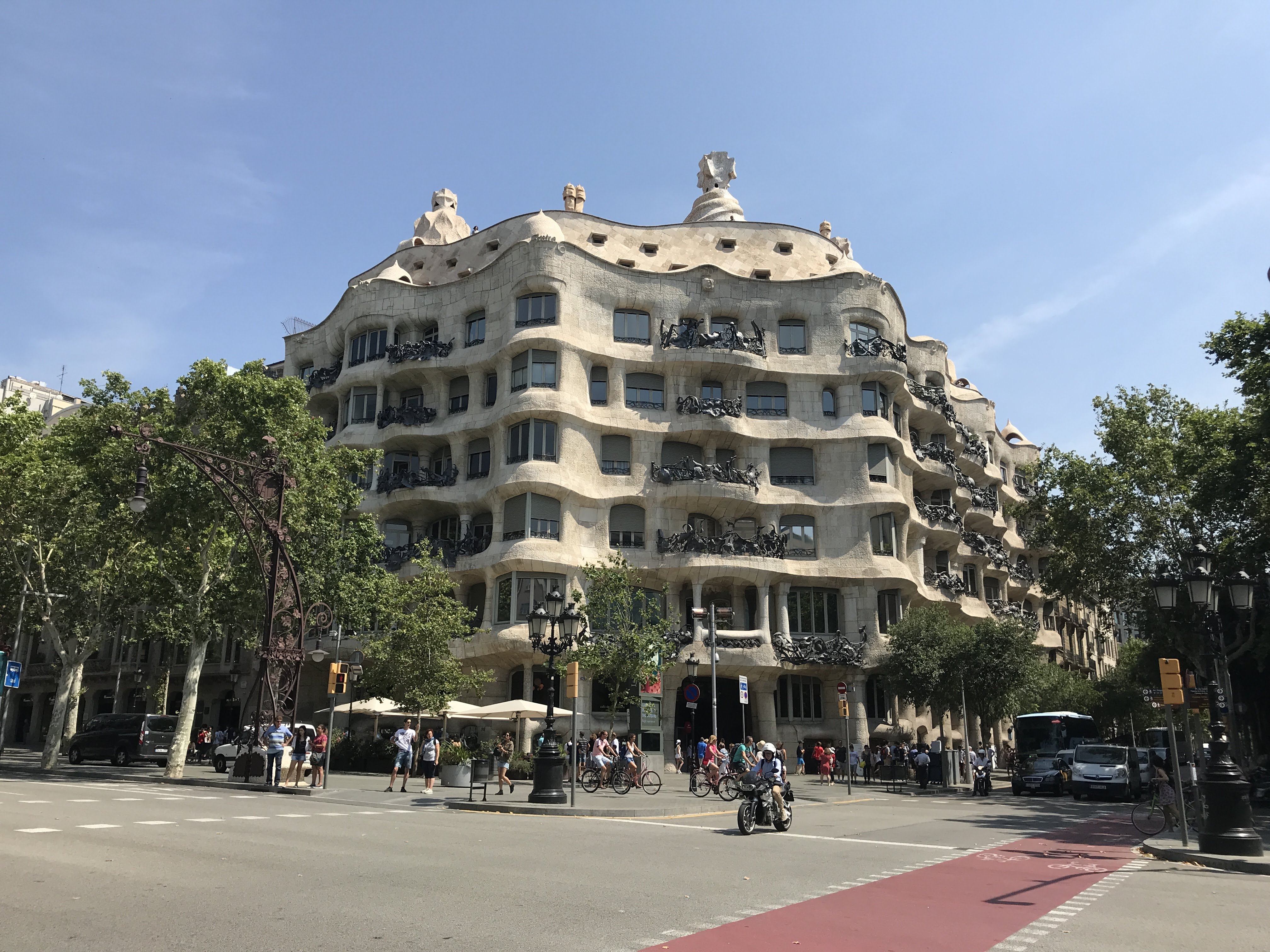
Barcelona, Spain
Catalonia — Barcelona
Barcelona finishes the trip on a high. The city is one of the most visually extraordinary in Europe — Gaudí's architecture alone is worth the journey, from the Sagrada Família to Park Güell to the Casa Batlló. Beyond the monuments, Barcelona is a city that lives outdoors: the Boqueria market, the Gothic Quarter's medieval lanes, the beachfront at Barceloneta, and a restaurant and bar scene that runs from traditional Catalan cooking to some of the most creative food in the world. It's a city that takes two or three days to begin to feel properly.

The Stops

Five places, each doing something the others can't.

This itinerary moves from the interior to the coast — from the art and energy of Spain's cities to the Mediterranean quiet of the Balearics — and finishes in Barcelona. Each stop has its own pace and its own reason to be there.

Madrid
Art · Tapas · Energy
Three days in Madrid never quite feels like enough. The Prado and the Reina Sofía between them contain some of the most important art in the world — Velázquez, Goya, Picasso's Guernica — and could each absorb a full day. But Madrid is also a city best understood on foot and at a table: the tapas bars of La Latina, the vermouth culture of Malasaña, the market at San Miguel, and the long late dinners that are simply how things are done here. Spain's eating culture starts in Madrid — and there's no better place to surrender to it.
Granada
Alhambra · Free Tapas · Flamenco
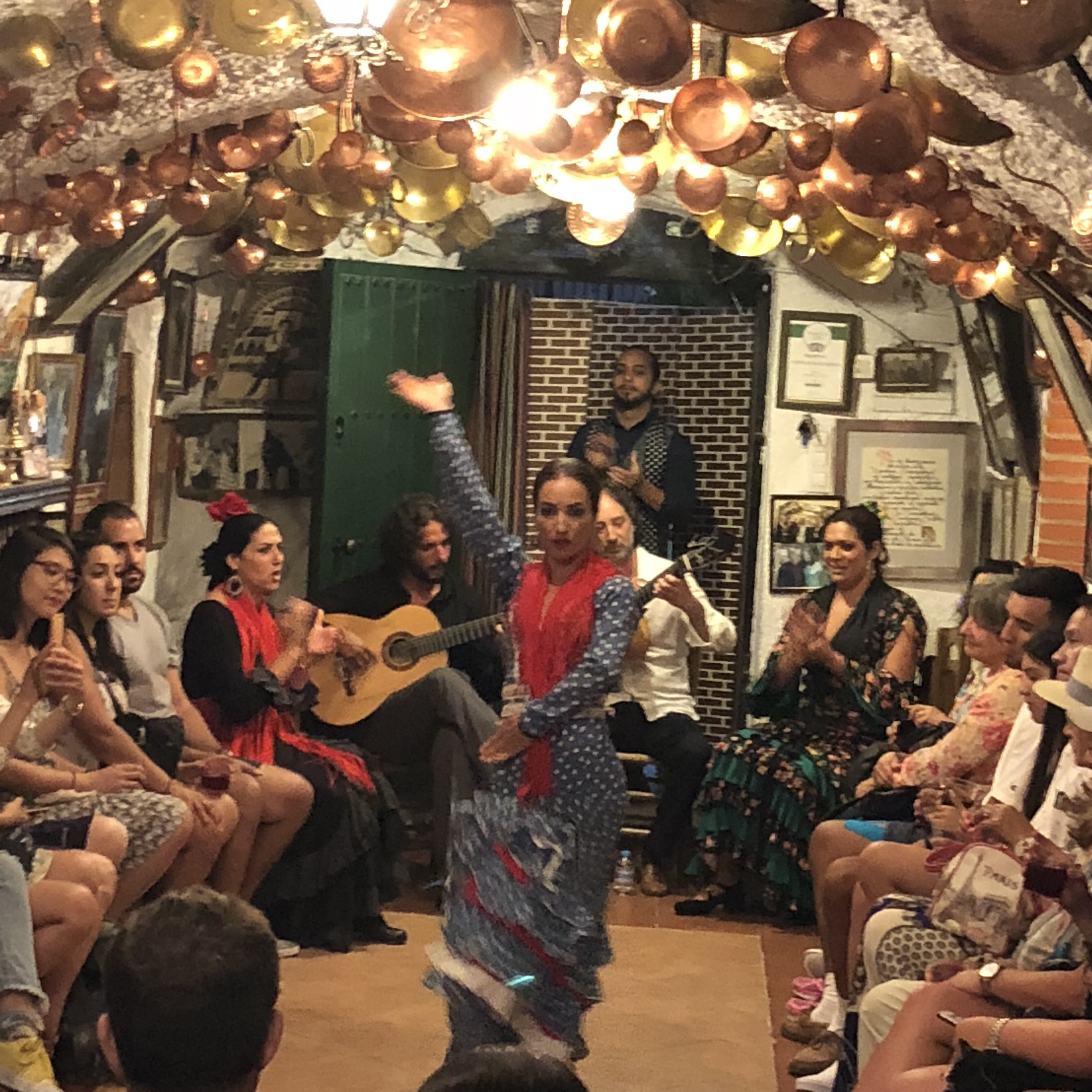
Granada rewards those who take it slowly. The Alhambra — the Nasrid palace complex that sits above the city — is one of the finest examples of Islamic architecture in the world and requires a full half-day to see properly. The rest of the city is equally rewarding at a quieter pace: the Albaicín neighbourhood with its narrow whitewashed lanes and views back across to the Alhambra, the cave district of Sacromonte where flamenco originated and still happens authentically, and the extraordinary tradition of free tapas with every drink order — a custom that survives from the old tradition of covering your glass to keep flies out. Two days here, done unhurriedly, is one of the high points of any Spain trip.
Mallorca
Palma · Mountain Roads · Hidden Coves
Mallorca has a reputation for being overdeveloped — and parts of it are. But the island is large enough and varied enough that the right itinerary barely touches the crowded south. Palma is one of the Mediterranean's most underrated cities: a Gothic cathedral rising directly from the seafront, a historic old quarter of extraordinary quality, and a restaurant scene that has quietly become one of the best in Spain. The Serra de Tramuntana mountains in the northwest — a UNESCO World Heritage Site — offer dramatic coastal roads, ancient hilltop villages, and olive groves that look exactly as they have for centuries. The coves of the northeast coast are some of the clearest water in the Mediterranean.
Menorca
Quiet Coves · Biosphere Reserve · Slow Pace
Menorca is what Mallorca might have been without the mass tourism — a UNESCO Biosphere Reserve with a deeply local character, protected landscapes, and beaches that take genuine effort to reach. The two main towns, Mahón in the east and Ciutadella in the west, each have their own character and are worth a half-day each. The beaches in between — Cala Macarella, Cala Turqueta, Son Bou — range from easily accessible to genuinely remote, with water quality that rivals anywhere in the Mediterranean. Menorca moves slowly, and two or three nights here resets something that city travel rarely does.
Barcelona
Gaudí · Food · Gothic Quarter
Barcelona closes the trip with energy and beauty in equal measure. Gaudí's Sagrada Família is one of those rare monuments that genuinely exceeds expectations — the interior in particular, with its forest of branching columns and kaleidoscopic light, is unlike anything else in Europe. The Gothic Quarter nearby is one of the best-preserved medieval city centres on the continent and rewards an afternoon of unplanned wandering. The Boqueria market — chaotic, tourist-heavy, but still worth it early in the morning — and the quieter Mercat de Santa Caterina just behind it are both worth visiting. Barcelona's food scene spans the full range: from traditional Catalan cooking in neighbourhood restaurants to avant-garde tasting menus from some of the world's most celebrated chefs.

Who It's For

Spain works for almost everyone — when the pacing is right.

We've designed Spain trips for couples on honeymoon, families, groups of friends, solo travellers, and people coming back for a third or fourth visit who want to finally slow down and eat properly. The key is matching the itinerary to how you actually travel.

Food & Wine Lovers
Spain has one of the world's great food cultures — and it's not one thing. Madrid's tapas bar tradition is completely different from Andalusian cuisine, which bears no resemblance to Catalan cooking in Barcelona. Wine is everywhere and treated seriously: Rioja in the north, Albariño from Galicia, local wines on every island. We build the right restaurants, markets, and food experiences into every stop — the kind that locals actually go to, not the ones outside the cathedral.
Couples & Honeymoons
Spain has a natural romantic quality that's hard to engineer elsewhere — a late dinner on a terrace in Granada with the Alhambra illuminated above, a private cove in Menorca at low tide, a long lunch in a Barcelona neighbourhood restaurant that turns into an afternoon. We know which properties and experiences create that feeling genuinely, and we build itineraries that leave room for it to happen rather than rushing from monument to monument.
Culture & Architecture
The depth of Spain's cultural heritage is extraordinary — Moorish palaces, Gothic cathedrals, Modernist masterworks, world-class modern art. The Prado, the Alhambra, Gaudí's Barcelona, the cave paintings of Altamira — few countries compress this much history into an itinerary this accessible. We sequence the cultural experiences so they build on each other rather than blurring into one long museum visit.
Beach & Island Life
Mallorca and Menorca between them offer some of the finest Mediterranean beach experiences available — clear water, varied coastline, and (on Menorca especially) the sense that you've found something genuinely unhurried. Getting the most out of the islands means knowing which beaches to prioritise and how to access the ones that don't appear in guidebooks. This is where we earn our keep: the hidden coves, the right timing, the lunch spot that makes the day.

Sample Itinerary

12 Days in Spain — Interior to Coast.

This itinerary moves from the cultural depth of Madrid and Granada through the Balearic Islands to Barcelona — each stop building on the last. The rhythm is deliberately unhurried: long enough in each place to actually feel it, short enough to keep the trip moving. Every itinerary we build is shaped around your pace and interests.

1–3
Madrid
Three days in Spain's capital — and the best introduction to Spanish food culture you'll find
Madrid is where Spain begins to make sense. The city moves at its own rhythm — late breakfasts, long lunches, an afternoon quietness, and then an evening that begins properly at nine o'clock and doesn't end before midnight. This isn't affectation; it's simply how life is organised here, and surrendering to it is one of the genuine pleasures of a Madrid visit. The Prado is essential — one of the world's great art collections, with Velázquez and Goya at its core. The Reina Sofía, home to Picasso's Guernica, can follow the next morning. The afternoons belong to the tapas bars of La Latina: small glasses of wine, plates of jamón and croquetas, moving between bars as the evening warms up. Mercado de San Miguel for a mid-morning vermouth. A proper sit-down dinner at ten, in a neighbourhood restaurant where no one is in a hurry. Three days barely scratches the surface — but it leaves you understanding why people come back to Madrid again and again.
Prado MuseumReina SofíaLa LatinaTapas & WineMercado San Miguel
4–5
Granada
Two days — the Alhambra, free tapas, and one of Spain's most atmospheric cities
Granada sits at the foot of the Sierra Nevada, its old Moorish quarter climbing the hillside opposite the Alhambra — a palace complex that has survived seven centuries and still manages to feel intimate rather than monumental. The Nasrid Palaces inside are extraordinary: intricately carved plasterwork, geometric tilework, and reflecting pools that create a silence in the middle of the city. Book early — entry is timed and slots sell out weeks in advance. The afternoon belongs to the Albaicín: narrow lanes, whitewashed walls, and at the top of the neighbourhood, a viewpoint looking back across at the Alhambra in the late afternoon light. Dinner anywhere in Granada comes with the extraordinary custom of free tapas with every drink order — a glass of wine, a small plate of food, unrequested and included in the price. It remains one of the most charming traditions in Spanish food culture and makes two days of eating in Granada feel almost absurdly good value.
Alhambra PalaceAlbaicín QuarterFree TapasSacromonteFlamenco
6–8
Mallorca
Three days on Spain's most beautiful island — well away from its reputation
Mallorca is larger and more varied than most people realise, and the right itinerary barely encounters the overdeveloped south. Arriving into Palma, the city immediately impresses: the Gothic cathedral that rises directly from the seafront is one of the most striking buildings in Spain, and the old town behind it — the Casc Antic — has enough character to absorb an entire afternoon. The second day heads north into the Serra de Tramuntana, a mountain range that runs along the northwest coast and was designated a UNESCO World Heritage Site for its cultural landscape. The road through Valldemossa and Deià and down to the sea at Sóller passes through olive groves and terraced hillsides that have barely changed in centuries. Lunch in a village restaurant, wine from a local bodega, and a swim in one of the coves on the way back. The third day is for the water: the northeast coast has some of the clearest and least crowded beaches on the island, accessible by a short walk and usually no more than a third full even in summer. Mallorca at its best has nothing to do with its reputation.
Palma CathedralSerra de TramuntanaDeià VillageHidden CovesLocal Wine
9–10
Menorca
Two days on the island that Mallorca's crowds never reach
A short flight from Palma and the pace drops completely. Menorca is a UNESCO Biosphere Reserve — deliberately protected from the kind of development that changed much of the Mediterranean coast — and it shows. The island feels unhurried in a way that is increasingly rare: small roads, modest towns, beaches that require a twenty-minute walk through pine and scrubland to reach, and the particular quiet of a place that hasn't decided tourism is its main purpose. Cala Macarella and Cala Turqueta on the south coast are among the finest beaches in the Mediterranean — white sand, turquoise water, and enough of a walk to keep the crowds thin. Ciutadella in the west is a beautiful small city with a harbour lined with restaurants and an old town that rewards an evening wander. Two nights is the minimum; it's consistently the stop that people wish they'd given more time to.
Cala MacarellaCala TurquetaCiutadellaBiosphere ReserveHidden Beaches
11–12
Barcelona
Two days in Europe's most visually extraordinary city
The trip closes in Barcelona — and it's a worthy finish. Two days is not enough to see all of it, but it's enough to see the best of it. The Sagrada Família is the obvious starting point and should be: Gaudí's unfinished basilica has been under construction since 1882 and is unlike any other building on earth — the exterior a forest of organic stone towers, the interior a cathedral of light filtered through stained glass in colours that shift through the day. Book entry and a time slot in advance; the queues without one are hours long. The Gothic Quarter adjacent to the Ramblas is best explored in the morning before the crowds arrive — the Plaça de Sant Felip Neri and the Plaça del Pi are both extraordinary. The Boqueria market is worth a visit early for context and colour, even if the stalls themselves are now mostly tourist-facing. For lunch, walk five minutes to the Mercat de Santa Caterina, which remains an actual working market with a food counter that serves excellent Catalan cooking to locals. The final evening in Barcelona deserves a proper sit-down dinner — the city has some of the finest restaurants in Europe across every price point, from neighbourhood Catalan cooking to internationally celebrated tasting menus. End well.
Sagrada FamíliaGothic QuarterBoqueria MarketGaudí ArchitectureCatalan Food

This itinerary moves efficiently — the train between Madrid and Granada is fast, and the hop between the Balearics and into Barcelona is straightforward. What makes the difference isn't the logistics: it's the restaurants we book, the timing of the Alhambra visit, the cove on Menorca that isn't in any guidebook, and the Barcelona neighbourhood restaurant that becomes the meal of the trip. That's what we bring.

When to Visit

Spain is a year-round destination — but the shoulder seasons are extraordinary.

Spain's climate varies considerably by region — the interior gets genuinely hot in summer and cold in winter, while the Balearics and the coast stay mild almost year-round. Getting the timing right matters, particularly for the islands and for Andalusia in midsummer.

Jan
Mild
Feb
Mild
Mar
Good
Apr
Peak
May
Peak
Jun
Peak
Jul
Hot
Aug
Hot
Sep
Peak
Oct
Peak
Nov
Good
Dec
Mild
Peak / best conditions
Good — warmer or cooler
Mild / quieter
Apr – Jun: The Sweet Spot
The best window for this itinerary. Warm enough for the islands, not yet brutal in Granada and Madrid. The Balearics are beautiful from May — the water has warmed, the crowds haven't peaked, and the light in the late afternoon is extraordinary. Spring in Andalusia is particularly remarkable: wildflowers, mild temperatures, and the Alhambra without the midsummer queues.
Sep – Oct: Almost As Good
September is arguably the finest month in Spain. The summer heat has softened, the crowds have thinned, the sea is still warm, and the light on the islands and in Andalusia is exceptional. October extends this — slightly cooler, quieter still, and with the bonus of the grape harvest in the wine regions. Both months are easier to navigate and more pleasant on the ground than peak summer.
Jul – Aug: Hot and Busy
July and August are when much of Europe arrives in Spain simultaneously. The islands and the coast are packed, prices peak, and Granada and Madrid can be genuinely uncomfortable in the midday heat. That said, the Balearics are at their most beautiful in August — the sea is warmest, the evenings are long, and with the right property and itinerary it can be outstanding. Book everything well in advance.
Flamenco, Spain
Our Spain Expertise

We know Spain beyond the tourist trail.

The Right Restaurants

Spain's food culture is one of the world's great pleasures — and the difference between a good meal and an extraordinary one is usually knowing where to go. We know the Granada tapas bar that's been giving free food with every drink for thirty years, the Palma restaurant that serious food travellers seek out, and the Barcelona neighbourhood spot that never appears in any guide but is always full of locals. This is what makes a Spain trip genuinely memorable.

Alhambra Done Properly

The Alhambra is one of the world's great monuments — and one of the most logistically complicated to visit. Entry is strictly timed, the Nasrid Palaces sell out weeks in advance, and the difference between arriving at the right time and the wrong one is significant. We handle the booking as part of every Granada itinerary, with the right timing built in from the start.

Menorca's Hidden Beaches

The best beaches on Menorca aren't in any guidebook and don't appear at the top of any list. They require a specific walk through specific scrubland at the right time of day. We've done the work of finding them — and building them into an itinerary in a way that doesn't feel forced or prescriptive. A morning at the right beach on Menorca is one of those experiences that makes the whole trip worthwhile.

Always With You

Our team is available via WhatsApp throughout your entire trip. Restaurant closed unexpectedly? Need a last-minute reservation? Something didn't go as planned? We sort it — wherever you are in the country.

What Travellers Say

Spain trips they'll talk about forever.

Curtis and Andreas took the time to learn about our objectives and used their decade of experience to make discerning recommendations. During a flight cancellation, Andreas had already researched alternatives and re-booked us before I could even read the email. It was such a relief to know we were not alone on the other side of the world.

Leah Rae · Southeast Asia, 2024

Being in our 40s, we do not travel the way 20-year-olds do. It was so great to be able to trust Free & Easy to look after all the details. No matter where we were, we were just a quick message away from any help. On a scale from one to ten, we give them fifteen!

Tammy & Robert Bell · 2026

Common Questions

Everything you need to know.

Twelve days is the sweet spot for covering Madrid, Granada, Mallorca, Menorca, and Barcelona without anything feeling rushed. Each stop gets enough time to actually feel it — three days in Madrid, two in Granada, three in Mallorca, two in Menorca, two in Barcelona. Ten days is possible with tighter choices — usually shortening the Mallorca stay or treating Menorca as a day trip from Mallorca. We'd rather design a trip with fewer stops done properly than one that races through all five.
Yes — particularly the Nasrid Palaces, which are the centrepiece of the complex and have strictly limited timed entry. In peak season, tickets sell out four to six weeks in advance. We handle the Alhambra booking as part of every Granada itinerary with the right time slot built in from the start — so you don't arrive in Granada to discover the day you want is sold out.
Entirely — when the itinerary avoids the parts that deserve the reputation. The south and east of the island around Magaluf and some of the resort towns are genuinely overdeveloped. Palma, the Serra de Tramuntana, the northeast coves, and the island's interior are a completely different experience: beautiful, well-preserved, and among the finest Mediterranean travel experiences available. The key is knowing where to stay and where to go — which is exactly what we do.
Size, pace, and level of development. Menorca is smaller, quieter, more protected — a UNESCO Biosphere Reserve with strict planning rules that have kept it largely undeveloped. The beaches are fewer but genuinely wilder. The towns are smaller and more local. The atmosphere is significantly more relaxed. Mallorca has more to see and do; Menorca is where you go when you want to stop doing and simply be somewhere beautiful. Most people who visit both wish they'd spent more time on Menorca.
Spanish food culture is one of the world's great pleasures — and it's built around time, not complexity. Meals are long, shared, and unhurried. Tapas in the traditional sense are small dishes designed to be eaten standing at a bar with a glass of wine, moving between bars as the evening goes on. A full sit-down dinner rarely starts before nine and can run to midnight without anyone feeling inconvenienced. Granada's tradition of free tapas with every drink order is a particular highlight — a custom that makes two days of eating there feel remarkable. Wine is excellent, regional, and inexpensive by any European standard. We build the right food experiences into every stop.
Spain sits in a comfortable middle ground by European standards — more affordable than France, Switzerland, or Scandinavia, but not as inexpensive as Southeast Asia. Food and wine are excellent value: a bottle of very good Spanish wine at a restaurant rarely costs what a mediocre bottle would in London or New York. Accommodation ranges from excellent boutique hotels in converted historic buildings to genuinely luxurious properties on the Balearics. As for what a custom trip with us costs — that depends on who's travelling and what experience you're after. We don't work from a price list. Flexible payment plans are also available — just ask. For a full breakdown of day-to-day costs, see our Spain Spending Money Guide.
Easily. Portugal pairs naturally with Spain and shares no land border complications — Lisbon is two and a half hours by train from Madrid. Morocco is a short ferry crossing from southern Spain and makes for an extraordinary add-on from Granada or the Costa del Sol. A broader European itinerary combining Spain with France and Italy is a bigger undertaking but entirely achievable with the right design and enough time. We'll advise honestly on whether a combined trip gives each destination what it deserves.

Let's Start Planning

Ready for your
Spain trip?

Tell us which parts of Spain draw you, how long you have, and how you like to travel. We'll design the rest.

Flexible payment plans available — just ask.

Fill Out the Form travel@fnez.com

More Destinations We Know Deeply