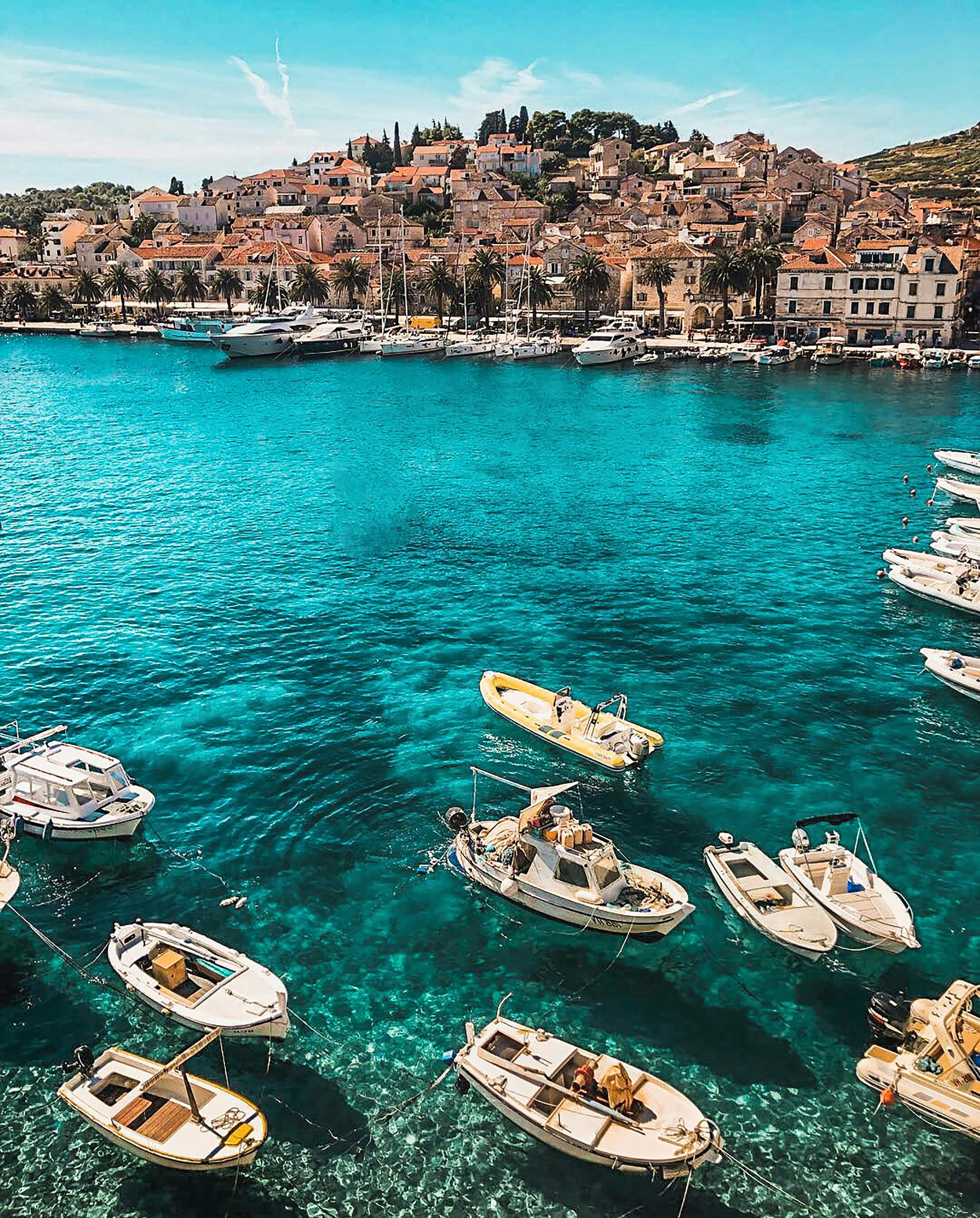
Turquoise harbour of Hvar, Croatia, with boats and the old town on the hillside

Custom Trips Croatia

Custom Trips to Croatia

Croatia,
Your Way.

Tailor-made Croatia itineraries built around you — from the ancient walls and Adriatic light of Dubrovnik through the hidden coves of Korčula and the lavender-scented hills of Hvar, into the Roman grandeur of Split, and on to the otherworldly waterfalls of Plitvice Lakes.
Dubrovnik to PlitviceSouth to North
12 DaysSweet Spot
All StylesBudget to Luxury
Overview Regions The Stops Who It's For Itinerary When to Go FAQ

Why Croatia

One of Europe's most beautiful coastlines — done properly.

Croatia has become one of Europe's most visited destinations, and for good reason — the Adriatic coast is extraordinary, the islands are among the finest in the Mediterranean, and Dubrovnik's old city is one of the most beautiful places on earth. The challenge is doing it in a way that goes beyond the obvious. Too many Croatia itineraries spend five nights in Dubrovnik and call it done. A well-designed trip moves through the full character of the country: the walled city, the hidden island, the social island, the Roman city, and finally — the stop that surprises everyone — the national park waterfall landscape at Plitvice that has nothing to do with the coast and everything to do with why Croatia deserves more than one visit.

We've been designing custom trips through Croatia long enough to know which cove on Korčula is accessible only by kayak, which konoba in Hvar's old town has been serving the same lamb under the peka since before the tourists arrived, and why three nights on each island is the difference between visiting and actually experiencing them.

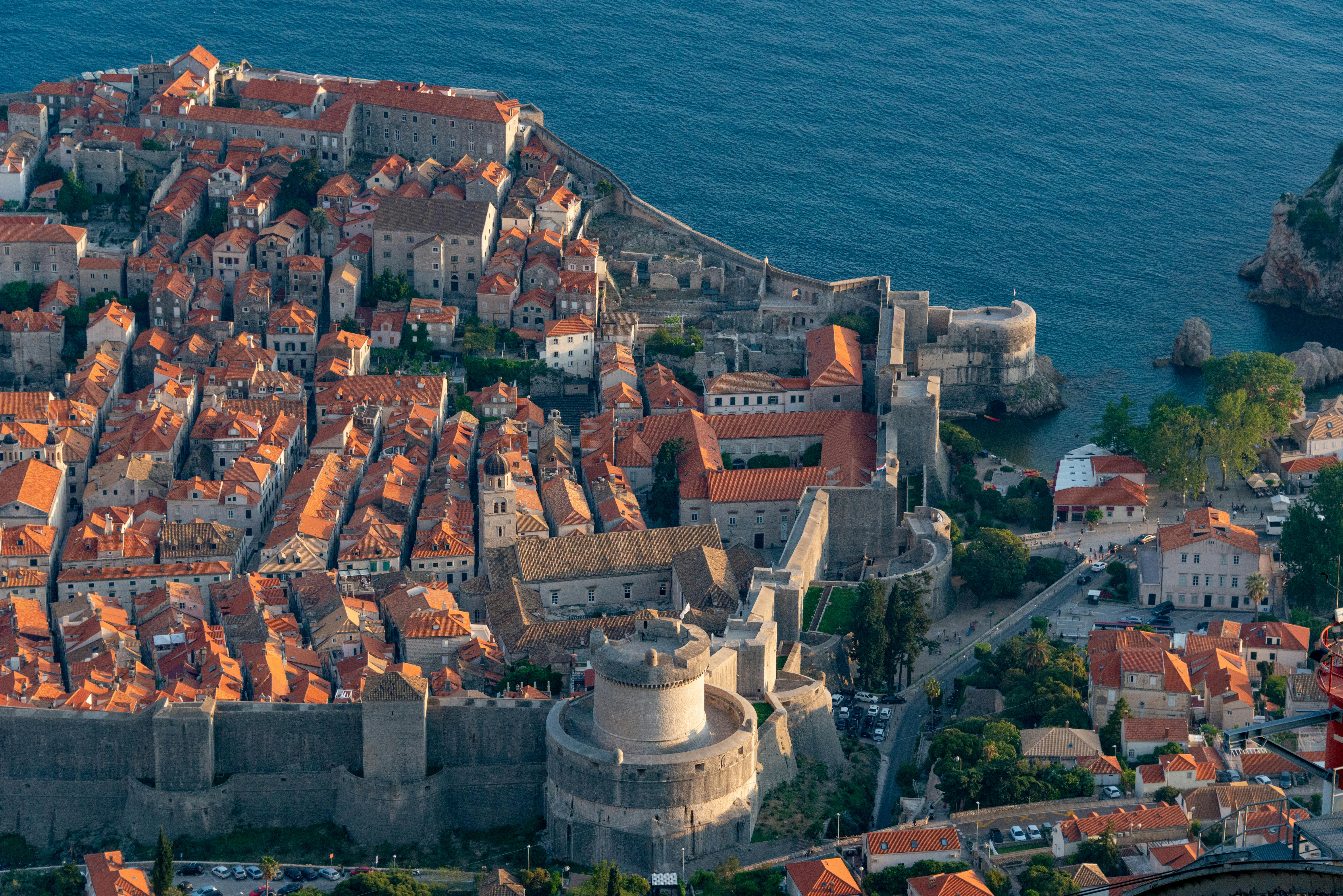
Aerial view of Dubrovnik old town and city walls, Croatia
5 Stops South to North

The Country

Three distinct worlds — the walled south, the Dalmatian islands, and the national park interior.

Croatia is more geographically varied than most visitors expect. The Adriatic coast and its islands are the draw — but the national park interior at Plitvice is the stop that consistently produces the strongest reaction from people who include it.

Dubrovnik old town city walls and Adriatic Sea from above
Dubrovnik & the South
Dubrovnik is one of the most perfectly preserved medieval cities in the world — a walled city on the Adriatic with limestone streets, baroque churches, and views across the sea that have been inspiring travellers for centuries. Two days is enough to walk the city walls, explore the old town properly, and take a boat to the nearby Elafiti Islands. The crowds are real and manageable with the right timing — early mornings and late evenings belong to those who stay rather than arrive by cruise ship.
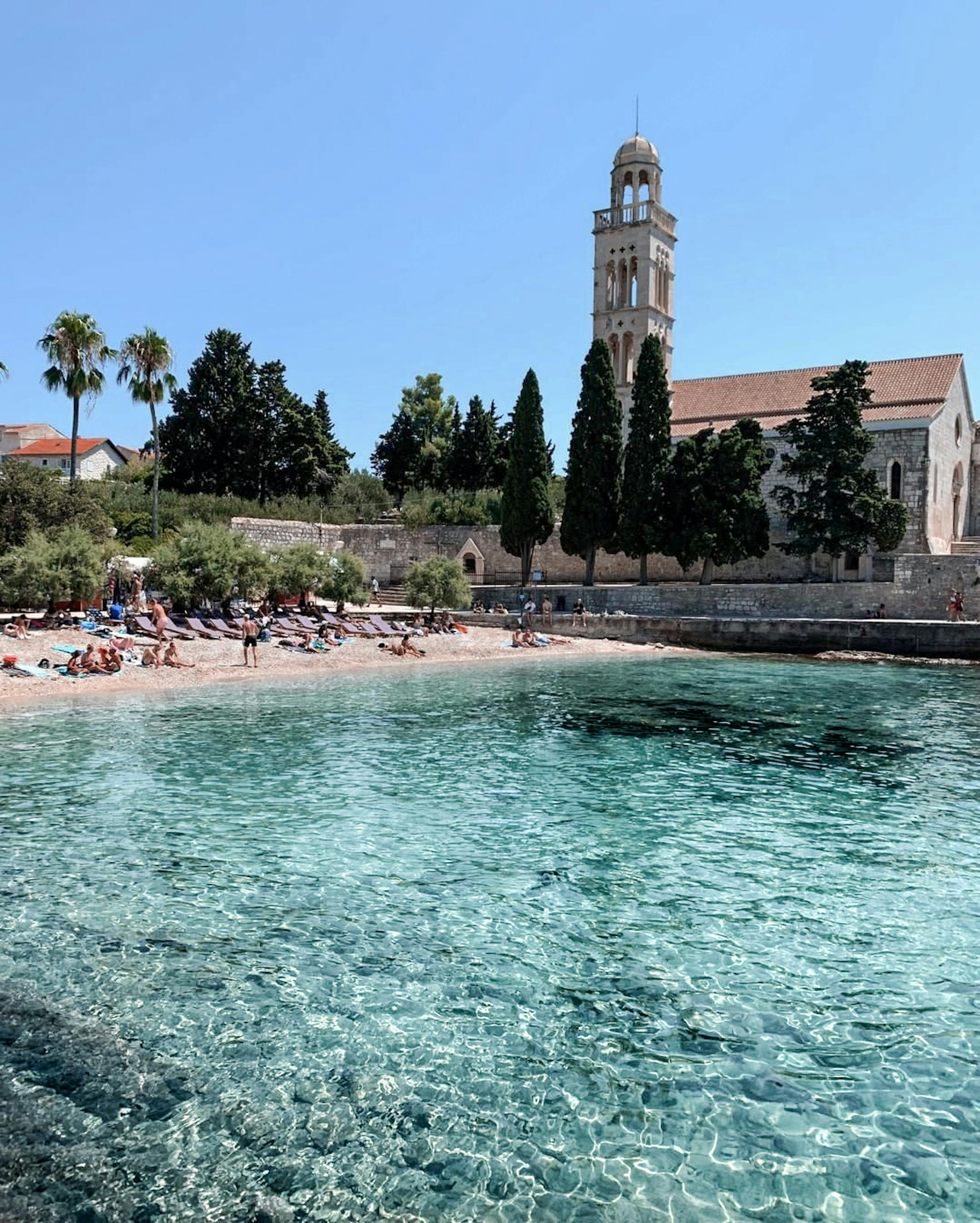
Crystal clear water and monastery beach on Hvar island, Croatia
The Dalmatian Islands
Korčula and Hvar are the two finest islands on the Dalmatian coast — and they couldn't be more different from each other. Korčula is quieter, more genuinely Croatian, with a medieval old town said to be the birthplace of Marco Polo and a coastline of hidden coves and pine-scented beaches. Hvar is the social island — lavender hills, a harbour lined with yachts, a Renaissance piazza, and a nightlife scene that draws a cosmopolitan summer crowd. Three nights on each gives you both properly.
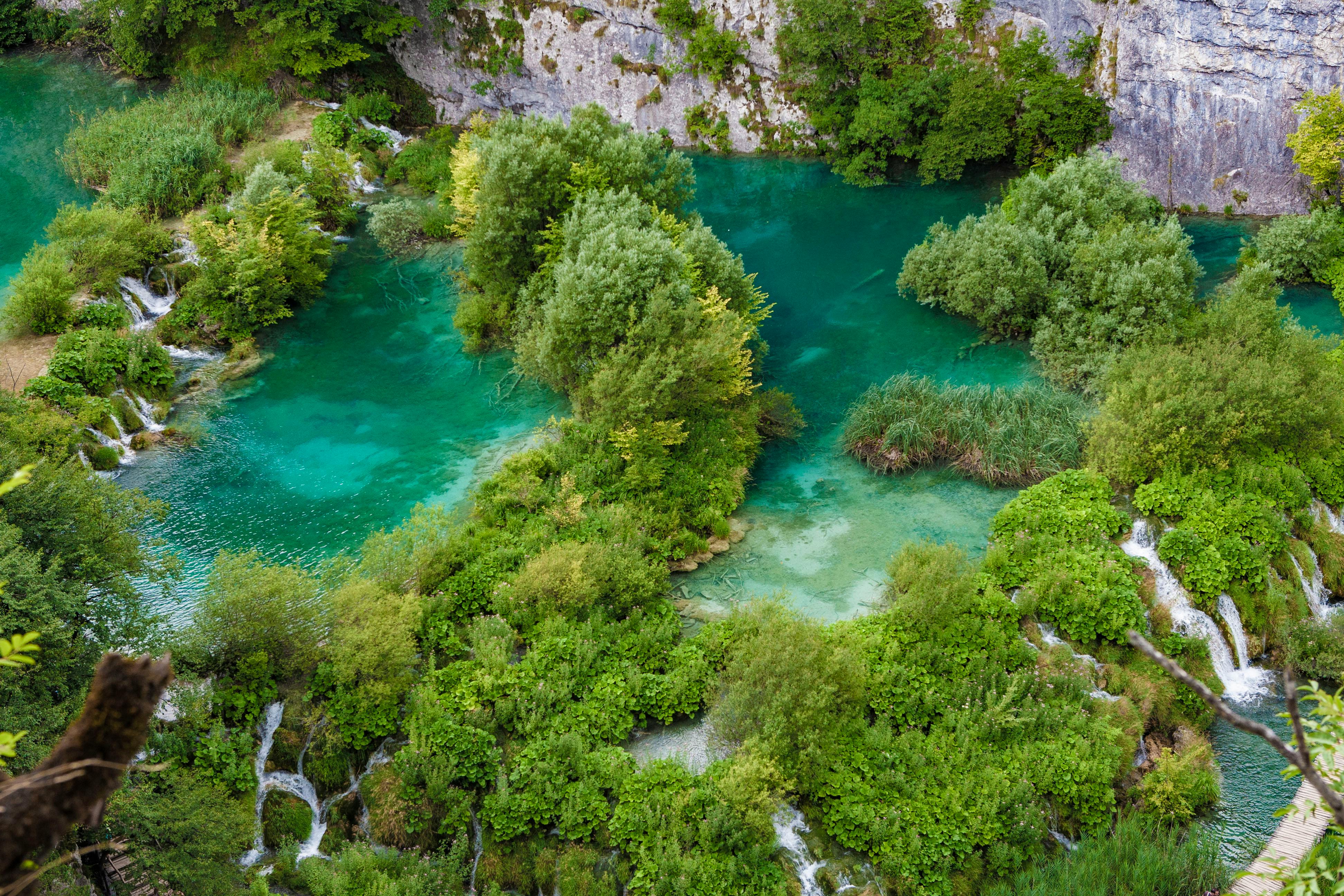
Plitvice Lakes National Park turquoise water and waterfalls, Croatia
Split & the National Parks
Split is the city that surprises — a working Croatian port city built directly into the walls of a Roman emperor's retirement palace, where the Diocletian's Palace complex has been continuously inhabited for seventeen centuries. Plitvice Lakes, a UNESCO World Heritage Site since 1979, is the landscape that redefines what Croatia is: sixteen terraced lakes connected by waterfalls and boardwalks through dense forest, with a turquoise colour in the water that no photograph adequately captures.

The Stops

Five places, each doing something the others can't.

This itinerary moves from south to north — from Dubrovnik's medieval walls through the two finest islands on the Dalmatian coast, into Split's Roman city, and finally to the waterfall landscape of Plitvice. Each stop is distinct and essential.

Dubrovnik
Old City Walls · Adriatic · Elafiti Islands · Seafood
Dubrovnik's old city is one of the most extraordinary urban spaces in Europe — a perfectly preserved medieval city enclosed by limestone walls wide enough to walk along, with views across the Adriatic to the islands and back across the terracotta rooftops. The city walls walk is best in the early morning or evening when the light is extraordinary and the day-trippers have gone. The cable car to Mount Srđ gives the panoramic view that makes the geography of the coast legible. The food in Dubrovnik is Dalmatian — fresh fish, black risotto, peka, and the local Plavac Mali wine. The best restaurants are a few streets back from the tourist circuit and require local knowledge to find.
Korčula
Medieval Old Town · Hidden Coves · Marco Polo · White Wine
Korčula is the island most Croatia itineraries skip and the one that people who include it consistently describe as the highlight of the trip. The medieval old town — built on a small peninsula with a herringbone street pattern designed to channel the sea breeze — is said to be the birthplace of Marco Polo. The konobas serve slow-cooked lamb and fresh fish, the wine estates produce Grk and Pošip — white wines found almost nowhere else in the world — and the coves along the western coast are among the most beautiful on the Dalmatian coast. Three nights gives you the old town, the coves by boat or kayak, the wine country, and the kind of unhurried evening at a harbour table that makes this part of the world so hard to leave.
Hvar
Lavender Hills · Pakleni Islands · Renaissance Piazza · Stari Grad
Hvar has a reputation as a party island — accurate for the harbour in peak season — but the island itself is twenty-eight miles long and has far more to offer. The old town is genuinely beautiful: a Venetian loggia, a Renaissance cathedral, the largest piazza in Dalmatia, and fortress walls with views across the Pakleni Islands to the open Adriatic. The Pakleni Islands have the finest swimming and snorkelling on this itinerary. Away from the harbour, lavender fields, olive groves, and wine estates give three nights a genuine depth. For those who prefer something quieter, the nearby island of Brač — and the Bol area in particular, with Zlatni Rat beach and the Vidova Gora ridge — is an excellent alternative with a more relaxed character and outstanding windsurfing.
Split
Diocletian's Palace · Roman History · Waterfront · Dalmatian Food
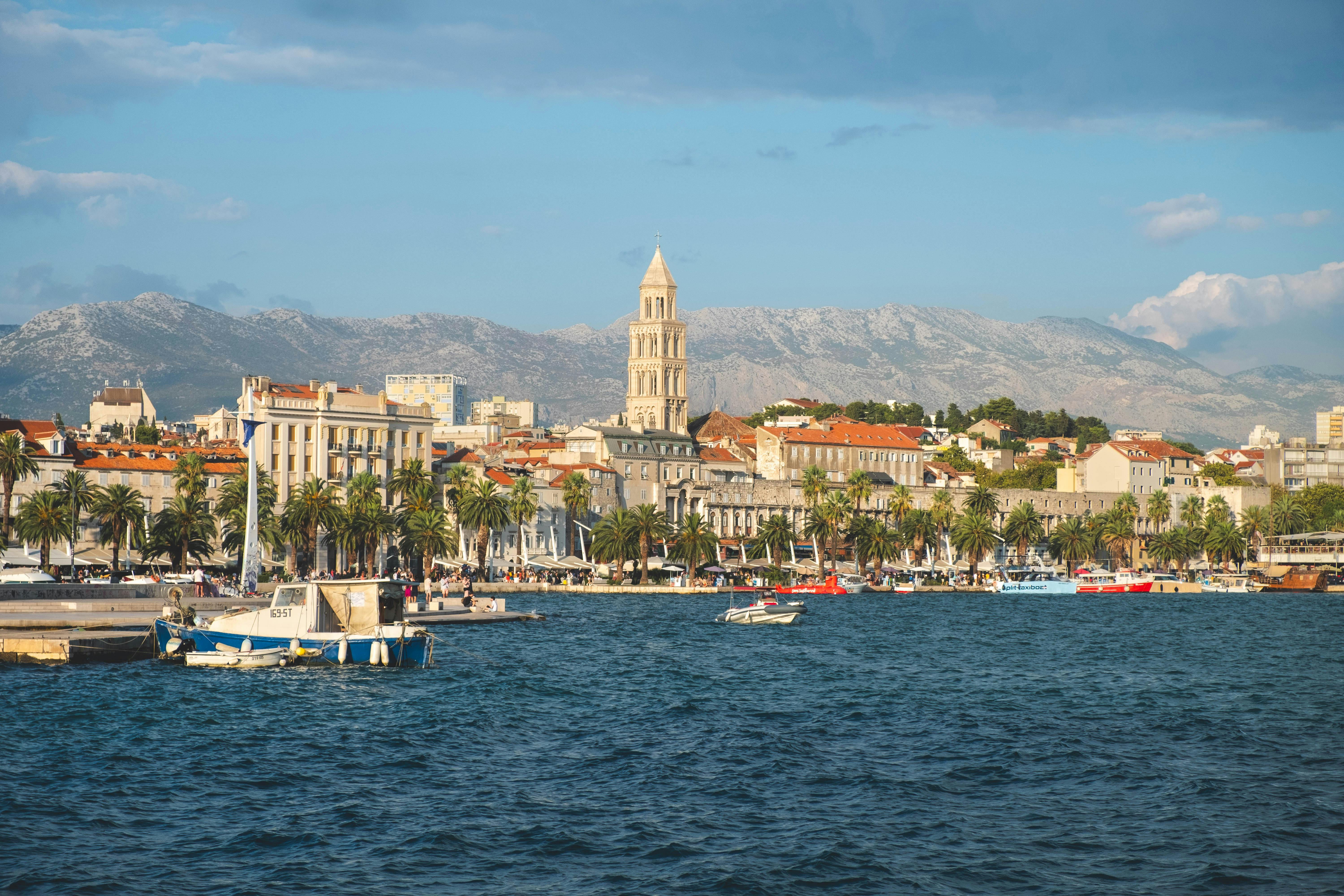
Split is the most underrated city in Croatia — a working port city with a character completely different from Dubrovnik's polished old town. The Diocletian's Palace complex — built as a Roman emperor's retirement residence in the fourth century and continuously inhabited ever since — encloses an entire living neighbourhood of narrow streets, medieval churches built into Roman temples, and restaurants in former imperial cellars. The scale of the Roman engineering is extraordinary to move through as a lived-in space rather than a roped-off monument. The Riva promenade, the Meštrović Gallery, and the hilltop Klis Fortress round out two full and unhurried days.
Plitvice Lakes
UNESCO World Heritage · Waterfalls · Turquoise Lakes · National Park
Plitvice Lakes is the stop that surprises everyone who includes it — a UNESCO World Heritage Site and one of the most extraordinary natural landscapes in Europe, completely different in character from the Dalmatian coast. The park's sixteen terraced lakes are connected by waterfalls and boardwalks through dense beech and fir forest, the water shifting from emerald to turquoise to deep blue. One night near the park gives you the early morning visit before the day-trippers arrive — the boardwalks quiet, the waterfalls audible, the colour in the water extraordinary in the early light. It is unlike anywhere else on this itinerary.

Who It's For

Croatia works for island lovers, history enthusiasts, and outdoor adventurers — when the route is designed well.

We've designed Croatia trips for couples on honeymoon, families, active travellers, history enthusiasts, and people looking for the Mediterranean without the Mediterranean crowds.

Island & Coast Lovers
The Dalmatian coast is one of the finest coastlines in Europe — clear water, pine-scented beaches, hidden coves, and a string of islands that have been drawing sailors since antiquity. Six nights split between Korčula and Hvar gives you the full range of what the Dalmatian islands offer: the quiet, the social, the historical, and the purely beautiful.
Couples & Honeymoons
Croatia has an inherent romance that comes from the combination of extraordinary scenery, excellent food, good wine, and an unhurried Adriatic pace. Watching the sun set over the Pakleni Islands from a hillside table in Hvar. A private boat exploring Korčula's western coves. The Dubrovnik city walls at dusk. Every stop on this itinerary has a natural romance to it.
History & Culture
Croatia's historical layers are extraordinary and largely underappreciated. Dubrovnik was an independent republic for over four centuries. Korčula's medieval street pattern was designed in the thirteenth century. Diocletian's Palace in Split has been continuously inhabited for seventeen centuries. For travellers who want history worn naturally rather than displayed behind glass, Croatia delivers consistently.
Active & Outdoors
Croatia rewards those who want to move. Sea kayaking around Korčula's coves. Snorkelling in the Pakleni Islands. Cycling across Hvar's interior through lavender fields and wine estates. Hiking the Dubrovnik city walls. Walking the Plitvice boardwalks through the waterfall landscape at dawn. The itinerary has a natural physical energy that active travellers can build on.
Families with Children
Croatia is an exceptional family destination when the itinerary is designed with children in mind. The islands offer the kind of freedom — safe swimming coves, small harbours, car-free old towns — that gives children space to explore. Plitvice Lakes captures the imagination of any child who has ever found a waterfall extraordinary. The Adriatic water is calm, clear, and warm from June through September.
Off the Beaten Path
Korčula is the key differentiator on this itinerary — the island that most Croatia trips skip and that most travellers who include it wish they had stayed longer. The western coves accessible only by boat or kayak, the wine estates producing grape varieties found almost nowhere else in the world, the medieval old town without the crowds of Dubrovnik — Korčula is the Croatia that existed before the tourist industry caught up.

Sample Itinerary

12 Days in Croatia — Dubrovnik to Plitvice Lakes.

This itinerary moves from south to north — two nights in Dubrovnik, three on Korčula, three on Hvar, two in Split, and one night at Plitvice Lakes. Every itinerary we build is shaped around your pace and interests. This is a starting point.

1–2
Dubrovnik
Two days in the Adriatic's most beautiful walled city
Dubrovnik's old city is one of the most extraordinary urban spaces in Europe — a perfectly preserved medieval city enclosed by limestone walls, with views across the Adriatic to the islands and back over terracotta rooftops. The city walls walk is the essential first experience: two kilometres of battlements best done in the early morning or evening when the light is extraordinary and the day-trippers have gone. Within the walls — the Stradun limestone promenade, the Rector's Palace, the Dominican Monastery — the city rewards wandering without a fixed route. The cable car to Mount Srđ gives the view that makes the geography of the coast legible. A boat trip to the Elafiti Islands or Lokrum offers the sea and the perspective that the walled city itself can't.
City Walls WalkOld TownMount Srđ Cable CarElafiti IslandsDalmatian Seafood
3–5
Korčula
Three days on Croatia's most characterful island — the one most trips miss
Korčula is the island most Croatia itineraries skip and the one that travellers who include it consistently describe as the highlight of the trip. The medieval old town — built on a small peninsula with a herringbone street pattern designed to channel the sea breeze — is said to be the birthplace of Marco Polo. The island's character is genuinely Croatian: the konobas serve slow-cooked lamb and fresh fish, the wine estates produce Grk and Pošip — white wines found almost nowhere else in the world — and the coves along the western coast are among the most beautiful on the Dalmatian coast. Three nights gives you the old town properly, the coves by boat or kayak, the wine country, and the kind of unhurried evening at a harbour table that makes this part of the world so hard to leave.
Medieval Old TownMarco Polo HouseWestern Coves by KayakGrk & Pošip WinePeka Dining
6–8
Hvar
Three days on the island that rewards those who look beyond the harbour
Hvar has a reputation as a party island — accurate for the harbour in peak season — but the island itself is twenty-eight miles long and has far more to offer. The old town is genuinely beautiful: a Venetian loggia, a Renaissance cathedral, the largest piazza in Dalmatia, and fortress walls with views across the Pakleni Islands to the open Adriatic. The Pakleni Islands have the finest swimming and snorkelling on this itinerary. Away from the harbour, lavender fields, olive groves, and wine estates give three nights a genuine depth. Stari Grad on the north coast, with its ancient Greek agricultural landscape unchanged for two and a half thousand years, is where the island's older, quieter character lives. For those who prefer something quieter, the nearby island of Brač — and the Bol area in particular, with Zlatni Rat beach and the Vidova Gora ridge — is an excellent alternative with a more relaxed character and outstanding windsurfing.
Pakleni Islands SwimmingFortica FortressLavender CountryStari Grad PlainPlavac Mali Wine
9–10
Split
Two days in Croatia's most underrated city — a Roman palace still being lived in
Split is the most underrated city in Croatia — a working port city with a character completely different from Dubrovnik's polished old town. The Diocletian's Palace complex — built as a Roman emperor's retirement residence in the fourth century and continuously inhabited ever since — encloses an entire living neighbourhood of narrow streets, medieval churches built into Roman temples, and restaurants in former imperial cellars. The scale of the Roman engineering is extraordinary to move through as a lived-in space rather than a roped-off monument. The Riva promenade, the Meštrović Gallery, and the hilltop Klis Fortress round out two full and unhurried days.
Diocletian's PalaceBasement HallsMeštrović GalleryKlis FortressRiva Waterfront
11–12
Plitvice Lakes
One night at Croatia's most extraordinary landscape — the stop that changes the whole trip
Plitvice Lakes is the stop that surprises everyone who includes it — a UNESCO World Heritage Site and one of the most extraordinary natural landscapes in Europe, completely different in character from the Dalmatian coast. The park's sixteen terraced lakes are connected by waterfalls and boardwalks through dense beech and fir forest, the water shifting from emerald to turquoise to deep blue depending on the mineral content and the light. One night near the park gives you the early morning visit before the day-trippers arrive — the boardwalks quiet, the waterfalls audible, the colour in the water extraordinary in the early light. It is unlike anywhere else on this itinerary — and unlike almost anywhere else in Europe.
UNESCO World HeritageTerraced LakesVeliki Slap WaterfallBoardwalk TrailsEarly Morning Entry

Croatia rewards those who leave room for the unplanned — an extra morning on a cove in Korčula, a longer lunch in Stari Grad, a second evening on the Plitvice boardwalks. The itinerary we build is a structure, not a schedule. Island connections and logistics are handled entirely by us — you travel, we take care of the rest.

When to Visit

Croatia's shoulder seasons are exceptional — July and August are beautiful but extremely crowded.

The timing matters more in Croatia than almost anywhere else in Europe. Dubrovnik and Hvar in July and August are among the most crowded destinations in the Mediterranean. May, June, and September offer almost everything the summer does with a fraction of the crowds.

Jan
Off
Feb
Off
Mar
Quiet
Apr
Good
May
Peak
Jun
Peak
Jul
Busy
Aug
Busy
Sep
Peak
Oct
Good
Nov
Quiet
Dec
Off
Peak / best conditions
Good — warm, manageable crowds
Quiet — mild, fewer facilities open
Off season
May & Jun: The Finest Window
The sea is warm enough to swim, the lavender on Hvar is in bloom, the crowds have not yet arrived, and the prices are significantly lower than July and August. May in particular is Croatia at its most beautiful — the landscape is green, the light is extraordinary, and the old towns have a genuine daily life to them that peak season partially obscures. June adds warmth and longer days. Both months are our strongest recommendation.
September: Equally Excellent
September is the other peak recommendation — the sea is at its warmest, the summer crowds have thinned significantly, and the light in the Adriatic in early autumn has a golden quality that June doesn't quite match. The restaurants and facilities are all still open and the islands feel genuinely relaxed again. September is the month that Croatia regulars tend to return to.
Jul & Aug: Beautiful but Crowded
Dubrovnik in August has cruise ship passenger numbers in the tens of thousands per day. Hvar town's harbour in July is a different place from the island itself. If summer is unavoidable, Korčula absorbs its visitors better than either Dubrovnik or Hvar and remains genuinely enjoyable. Plitvice is best visited with the first entry slot regardless of season — crowds arrive after 10am. We adjust the itinerary and timing for summer visits accordingly.
Split waterfront promenade and Diocletian's Palace cathedral tower at golden hour
Our Croatia Expertise

We know Croatia beyond the obvious stops.

Korčula — the Island That Changes the Trip

Most Croatia itineraries go from Dubrovnik to Hvar and miss Korčula entirely. Three nights on Korčula — the medieval island that most visitors overlook and that most travellers who include it wish they had stayed longer — is what makes this itinerary different from the standard Dalmatian coast circuit. The coves, the wine, the old town without the crowds: we know the island properly.

Plitvice Done Right

Most people do Plitvice as a day trip. The early morning visit — staying one night near the park and entering with the first slot before the day-trippers arrive — is a fundamentally different experience from arriving at midday with a tour bus. We build the itinerary around the overnight stay and the early entry as standard.

All the Ferry Connections Sorted

Croatia's island ferry network is extensive, seasonal, and genuinely confusing to navigate without local knowledge. Schedules change between months, some routes require advance booking in summer, and the difference between a comfortable crossing and a stressful one is often knowing which boat to take. We book everything and brief you exactly on where to be and when.

Always With You

Our team is available via WhatsApp throughout your entire trip. Ferry cancelled? Weather changed on Hvar? Something didn't go as expected? We sort it — wherever you are in Croatia.

What Travellers Say

Croatia trips they'll talk about forever.

Every single detail was taken care of, which made travelling feel effortless and stress-free. From accommodations to activities, everything was well thought out and perfectly suited to what I was looking for. That level of attention and care made a huge difference.

Laura Shandro · 2026

We have used their services on 4 different vacations. I would have to rate all of the trips 10/10 or higher. Even when there are unforeseen travel glitches — delayed flights, ferries — they are always on it before we even realise an issue. Highly recommend.

Rob Bell · 2025

Common Questions

Everything you need to know.

Twelve days is the sweet spot for covering Dubrovnik, Korčula, Hvar, Split, and Plitvice Lakes without anything feeling rushed. Two nights in Dubrovnik, three on Korčula, three on Hvar, two in Split, and one night at Plitvice gives each place the time it deserves.
Most Croatia itineraries include Hvar and skip Korčula entirely. That's a mistake. Korčula is quieter, more genuinely Croatian, and has a medieval old town said to be the birthplace of Marco Polo that rivals Dubrovnik in character without the cruise ship crowds. The two islands have completely different personalities: Hvar is social, sunlit, and energetic; Korčula is the one you discover. Three nights on each gives you both properly.
Absolutely — Plitvice is one of the most extraordinary natural landscapes in Europe and completely different in character from the Dalmatian coast. A UNESCO World Heritage Site since 1979, the park's sixteen terraced lakes connected by waterfalls and boardwalks through dense forest create a landscape that feels genuinely otherworldly. One night near the park gives you the early morning visit before the day-trippers arrive — which is when Plitvice is at its most spectacular.
May, June, and September are the finest months — warm enough for the islands and the sea, uncrowded enough to enjoy Dubrovnik and Hvar without the July and August peak season masses. July and August are extremely busy and expensive, particularly in Dubrovnik and Hvar town. If summer is unavoidable, Korčula absorbs its visitors better than the more famous destinations. We recommend May or September for the best combination of weather, value, and experience.
Very naturally. Croatia connects well with Greece, Italy, and Portugal, Spain, and Turkey for a broader European itinerary. A trip that begins in Venice and ends in Dubrovnik, or begins in Dubrovnik and ends in Ljubljana, makes geographic and cultural sense and is something we design regularly.
Croatia's island transport network connects the main island towns well. The routes between Korčula, Hvar, and Split are well-served, and the crossings are part of the experience rather than merely the logistics. We book all ferry connections as part of the trip design, ensure the timing works with the itinerary, and brief you on exactly where to be and when.
Brač is an excellent alternative or addition for those who want a different experience from Hvar. The Bol area on the island's south coast has Zlatni Rat — one of the most distinctive beaches in the Adriatic — and Vidova Gora, the highest peak on any Adriatic island. Bol is quieter and more relaxed than Hvar town, and Brač is one of the finest windsurfing destinations in Europe. We include Brač as an alternative to Hvar for clients who want the island beauty without the social scene. For a full breakdown of day-to-day costs in Croatia, see our Croatia Spending Money Guide.

Let's Start Planning

Ready for your
Croatia trip?

Tell us which parts of Croatia draw you, how long you have, and how you like to travel. We'll design the rest — islands, ferries, and all.

Flexible payment plans available — just ask.

Fill Out the Form travel@fnez.com

More Destinations We Know Deeply

Don't see the destination you're after? We design trips to far more countries than we have pages for — reach out and tell us where you want to go.