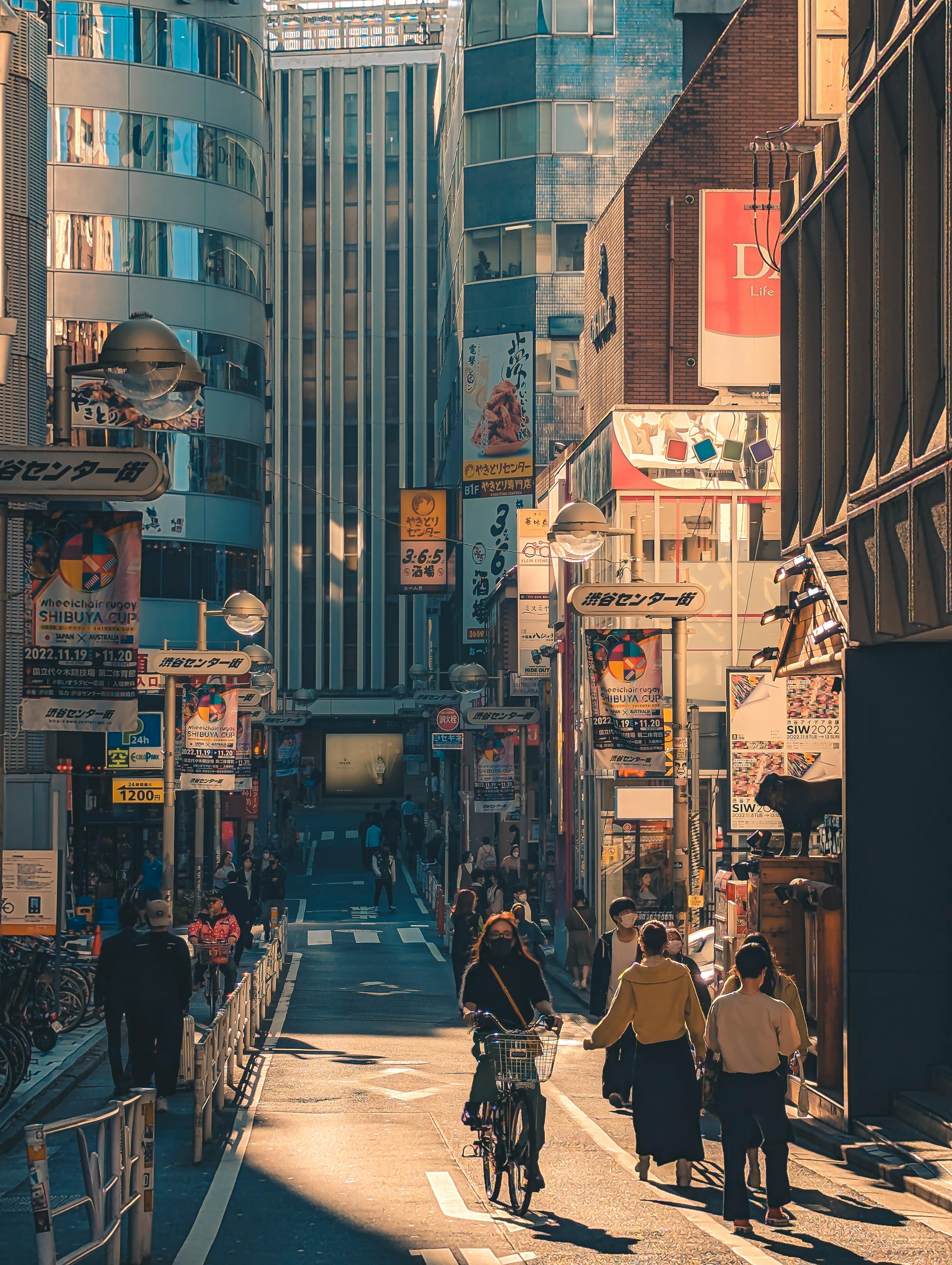
Tokyo street at night, Japan

Custom Trips Japan Spending Money

Japan Spending Guide

How much spending money do you need for Japan?

Japan has a reputation for being expensive that its actual experience doesn't fully support. The world's finest ramen costs four dollars. A sushi counter breakfast at Tsukiji can be the best meal of your trip. A convenience store onigiri at midnight is genuinely good. Here's the honest picture across all five stops.

All prices are approximate and in USD. Japan uses the Japanese Yen (¥). Tokyo and Kyoto run similarly — Osaka is slightly more affordable. Hakone's ryokan (traditional inn) nights are a separate accommodation cost and not included in daily spending estimates. Cherry blossom season (late March–April) and autumn foliage (November) bring premium pricing across all stops.
The Honest Picture

More affordable than you think — if you know how Japan's food culture works.

Japan's reputation as an expensive destination is partly deserved and partly a myth. The myth comes from comparing it with Southeast Asia rather than with Europe or North America — by those standards, Japan is remarkable value. A Michelin-starred ramen in a Tokyo basement costs the same as a mediocre pasta in Rome. A department store food hall in Osaka offers a standing sushi experience that would cost four times as much in New York. The convenience store breakfast — an onigiri rice ball and a hot coffee from the machine — is genuinely good and costs about two dollars. Japan rewards those who eat like the Japanese: at counters, in basement restaurants, in department store food halls, and occasionally at a convenience store at midnight without any shame.

The stops where your money goes furthest are Osaka (the most affordable of the four cities) and Nara (a day trip where the main cost is the deer crackers). Tokyo and Kyoto are broadly similar. Hakone's ryokan stay is the one genuinely premium experience on the itinerary — but it is also the one that people most consistently say was worth every yen. For the full trip overview, see our Japan Custom Trips page.

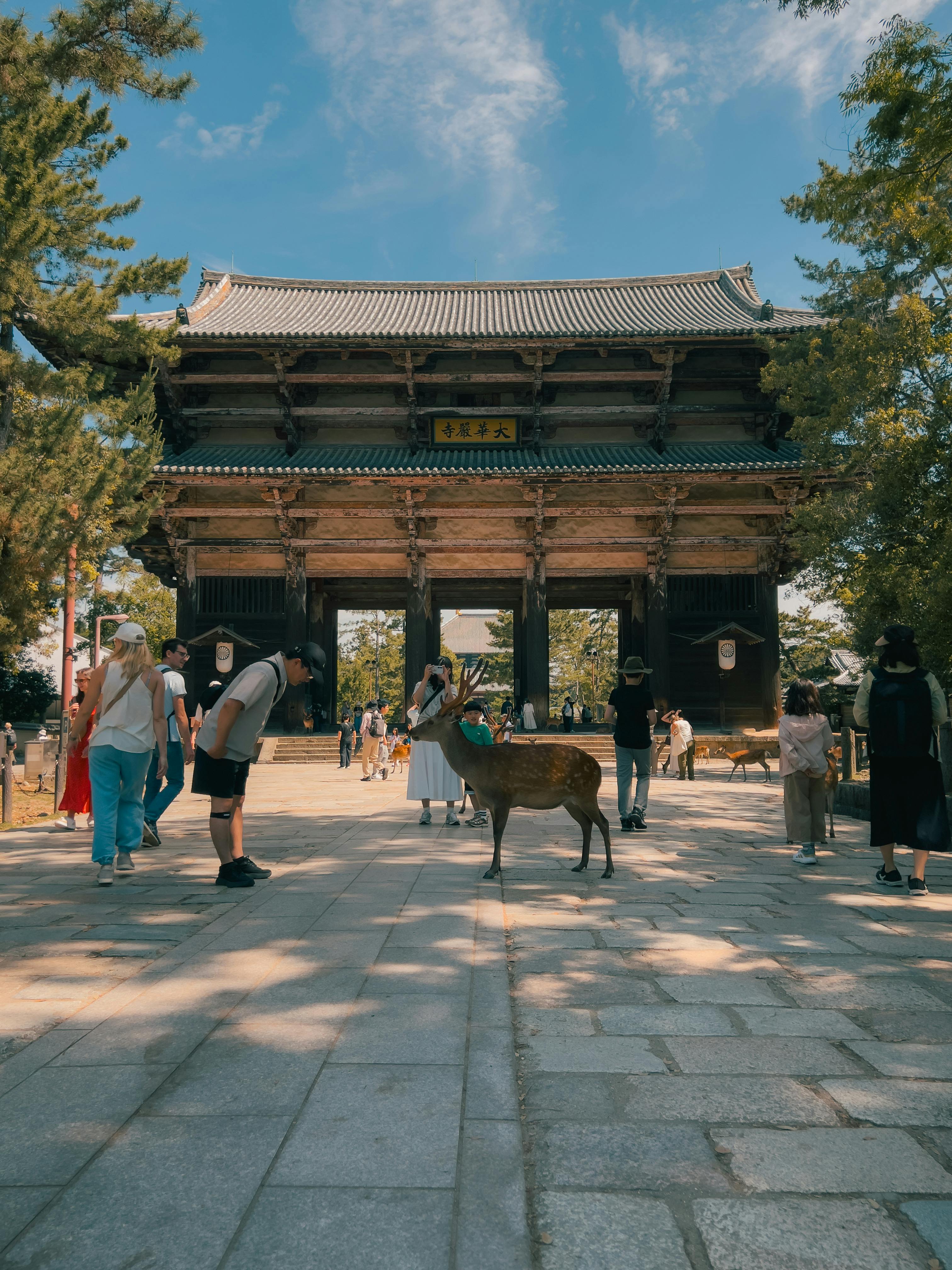
Sacred deer in Nara Park, Japan

Daily Budget Guide

What a day in Japan actually costs.

These estimates exclude accommodation and the Japan Rail Pass — your personal spending money for food, drinks, entry fees, and day-to-day experiences. Note that the Hakone ryokan stay is a separate accommodation cost typically included in the trip package.

Budget-Conscious
Comfortable
$60–90
per person / day (approx.)
Ramen at a counter, convenience store breakfasts, standing sushi, temple entry fees, and the subway. Japan at this level is genuinely extraordinary — some of the world's finest food costs almost nothing here, and the cultural experiences are among the most affordable of any major destination. A full day in Kyoto visiting four temples and eating well can easily come in under $60.
Convenience store breakfast$2–4
Ramen (counter restaurant)$8–14
Standing sushi (lunch)$10–18
Temple / shrine entry$3–8
Subway / train (city)$2–6
Beer (convenience store)$1.50–3
Well-Appointed
Relaxed
$120–180
per person / day (approx.)
Proper sit-down restaurants, izakaya evenings, museum entry, a tea ceremony experience, the teamLab digital art installations, and a department store food hall lunch. This is where most of our clients land — Japan's best mid-range restaurants are extraordinary value by any international standard, and the cultural experiences become genuinely immersive rather than just entry-level.
Café breakfast$6–12
Sushi restaurant (lunch)$20–45
Izakaya dinner (per person)$25–50
Tea ceremony experience$20–40
teamLab entry (Tokyo)$28–38
Beer (izakaya)$5–9
Higher End
Exceptional
$220–400
per person / day (approx.)
Omakase sushi (where the chef decides — typically 20+ courses of the finest seasonal fish), kaiseki dining in Kyoto (a multi-course meal of extraordinary refinement), a private tea ceremony with a master, a geisha dinner in Gion, or a private guide through Tokyo's quieter neighbourhoods. Japan at this level is among the finest dining and cultural experiences available anywhere — and still costs less than equivalent experiences in Paris or New York.
Omakase sushi dinner$120–350
Kaiseki dinner, Kyoto$100–280
Private guide (half day)$80–160
Geisha dinner (ozashiki)$200–400
Whisky tasting (premium)$40–120
Department store wagyu lunch$50–120

Breakdown by Category

What things cost — stop by stop.

Costs are broadly similar across Tokyo, Kyoto, and Osaka — Osaka runs slightly cheaper. Hakone's ryokan stay is separate. Here's what to expect across the key categories.

Food & Drink
BudgetMidHigh
Convenience store breakfast$2–4$2–4
Ramen (counter)$8–14$12–20$20–40
Sushi (sit-down, lunch)$12–22$22–55$120–350
Izakaya dinner (per person)$15–28$28–55$60–120
Beer (restaurant / bar)$4–7$5–9$8–16
Sake (glass)$4–8$6–14$14–40
Convenience store breakfast
Budget$2–4
Mid$2–4
Ramen (counter)
Budget$8–14
Mid$12–20
High$20–40
Sushi (sit-down)
Budget$12–22
Mid$22–55
Omakase$120–350
Izakaya dinner
Budget$15–28
Mid$28–55
High$60–120
Experiences & Activities
BudgetMidHigh
Temple / shrine entry$3–8$3–8
teamLab digital art (Tokyo)$28–38
Tea ceremony$10–20$20–45$80–160
Hakone Ropeway$14–18$14–18
Hakone Open Air Museum$18–22$18–22
Private guide (half day)$80–160
Temple / shrine entry
Standard$3–8
teamLab digital art
Standard$28–38
Tea ceremony
Group$10–20
Standard$20–45
Private$80–160
Hakone Ropeway
Standard$14–18
Hakone Open Air Museum
Standard$18–22
City by City
TokyoKyotoOsaka
Beer (bar)$5–8$5–9$4–7
Dinner for two$40–100$40–120$30–80
Subway (single ride)$2–4$2–4$2–3
Ramen$8–16$8–16$7–14
Overall valueGreatGreatBest value
Beer (bar)
Osaka$4–7
Tokyo$5–8
Kyoto$5–9
Dinner for two
Osaka$30–80
Tokyo$40–100
Kyoto$40–120
Good to Know
ItemNote
CurrencyJapanese Yen (¥). Japan is still largely a cash culture — many smaller restaurants and temples do not accept cards. Always carry yen. ATMs at 7-Eleven convenience stores reliably accept foreign cards.
TippingNever tip in Japan. It is considered rude. The service is included in the price and is extraordinary — tipping implies the staff need supplementing, which is considered insulting.
IC cardThe Suica or Pasmo IC card (loaded with cash, tapped on turnstiles) is the easiest way to pay for city transport across all four cities. Also accepted at many convenience stores and vending machines.
Convenience stores7-Eleven, Lawson, and FamilyMart in Japan are nothing like the Western equivalent — the food quality is genuinely excellent. Onigiri (rice balls), sandwiches, hot foods, and coffee are all good and extraordinarily affordable.
Currency
Japanese Yen (¥). Japan is largely cash-based. 7-Eleven ATMs accept foreign cards reliably.
Tipping
Never tip in Japan — it is considered rude. The price includes extraordinary service.
IC card (Suica / Pasmo)
Load cash onto a Suica card and tap for all city transport. Also works at convenience stores.
Convenience stores
Japanese convenience stores are genuinely excellent — onigiri, hot foods, good coffee, very affordable.

From Our Experience

How to make your money go further.

01

Eat at the counter — it's where the best food is

Japan's counter restaurants — the ramen shop where you order from a vending machine and eat at a ten-seat bar, the standing sushi counter where the chef passes pieces directly to you, the tempura restaurant with eight seats around the fryer — consistently serve better food at lower prices than the formal restaurants with tables and menus. The Japanese food culture at its most authentic operates at the counter, and a full ramen lunch with extra toppings at one of Tokyo's best shops costs about twelve dollars.
02

Never skip the department store food hall

The basement food halls (depachika) of Japan's major department stores — Takashimaya, Isetan, Daimaru — are among the finest food shopping experiences in the world. Fresh wagyu skewers, seasonal sushi sets, extraordinary pastries, handmade chocolates, perfect fruit, prepared bento boxes, and every regional speciality of Japan available in one basement. A lunch assembled from the depachika costs $10–20 and involves food of extraordinary quality. In Kyoto's depachika, the kaiseki bento boxes can be genuinely spectacular at a fraction of restaurant prices.
03

Carry cash — Japan is still largely cash-based

Many of Japan's finest restaurants, smaller temples, traditional craft shops, and local food stalls accept only cash. This is not a sign of being behind — it is simply how Japan's economy has always operated, and the quality of the businesses that only take cash is often the highest. The 7-Eleven ATM reliably accepts foreign cards. Withdraw enough to cover a few days at a time. The IC card (Suica or Pasmo) handles all city transport and can be topped up at any train station.
04

Book the right experiences in advance

Some of Japan's finest experiences require advance booking — the teamLab digital art installations sell out weeks ahead, popular ramen shops have long queues, and the best omakase sushi counters book months in advance. The Fushimi Inari and Arashiyama bamboo grove in Kyoto require no booking but require the right time of day. As part of every Japan trip we design, we give you a clear picture of what to book before you leave home, what to queue for, and what is reliably available on the day.
05

The ryokan is worth the investment

The Hakone ryokan stay — a traditional inn where the tatami room, the kaiseki dinner of seven to ten courses, and the communal onsen bathing in natural hot spring water are all part of the experience — is the one genuinely premium cost on this itinerary that we never suggest cutting. The per-person price for a two-night ryokan stay typically runs $250–500+ per night including dinner and breakfast, and it is the experience that people most consistently describe as the highlight of their entire Japan trip. Budget for it properly and consider it non-negotiable.
06

Ask us before you go

Japan's costs vary significantly by neighbourhood, time of day, and level of restaurant. When we design your trip we give you a clear picture of what to expect at each stop — which Kyoto restaurants are worth the price, which Osaka neighbourhoods have the best street food, how much cash to carry for each stage, and where the best value experiences on this itinerary are. The Japan Rail Pass, Shinkansen reservations, and IC card logistics are all handled as part of the trip design.

Ready to Plan Your Trip?

Let's build your Japan trip.

We handle the rail passes, the ryokan bookings, the restaurant recommendations, and all the detail in between — so you can focus on the ramen, the temples, and the onsen. Tell us what draws you to Japan and we'll design the rest.

Flexible payment plans available — just ask.

Plan My Japan Trip travel@fnez.com

More Spending Money Guides

Ready to start planning? Tell us where you want to go →